
Pentagon locked down and partially evacuated due to a false alarm by hazardous materials sensor, sources say
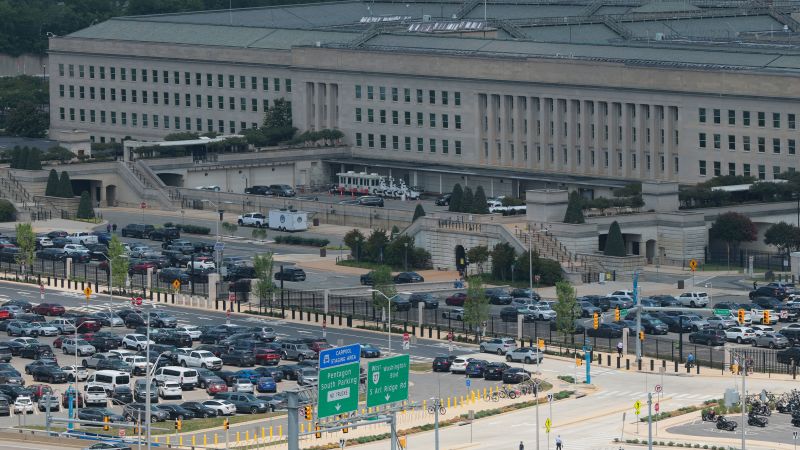
Pentagon Lockdown and Partial Evacuation Triggered by Sensor False Alarm
Pentagon locked down and partially evacuated – On Thursday, the Pentagon experienced a lockdown and partial evacuation after a hazardous materials sensor issued a false alarm, according to sources. The incident led to the sealing of multiple floors and corridors, with some areas evacuated as a precautionary measure. The local fire department and three additional sources confirmed the event, which was initially reported as a “hazardous materials incident.”
Normal Operations Resumed Following Safety Measures
By 1:31 p.m., Pentagon spokesperson Sean Parnell shared an update on X, stating that “normal operations have resumed” at the facility. In his message, he explained that occupants were alerted to a potential air quality issue earlier in the day, prompting immediate safety protocols. “Subsequent testing confirmed no hazard exists,” he added, reassuring the public about the situation’s resolution.
“Earlier this morning, Pentagon occupants were notified of a potential air quality issue, prompting immediate precautionary safety measures and evaluation,” said Pentagon spokesman Sean Parnell. “Subsequent testing confirmed no hazard exists.”
False Alarm Caused by Sensor Malfunction
The evacuation was initiated when a sensor system within the Pentagon detected the possible presence of anthrax, as reported by first responder radio traffic and a source close to the incident. However, the sensor was found to be faulty, leading to the false alarm. “Systems within the Pentagon had detected an air quality issue necessitating precautionary measures until we determine its significance,” Parnell noted.
“The Department is executing standard protection protocols, including a shelter-in-place order for the affected area,” Parnell said. “Response teams are in place and ready to support building occupants.”
Security Team’s Internal Guidance
Internal directives from the Pentagon’s security team described an “air quality issue” that required further investigation. The message indicated that additional testing could take up to two hours, with response teams prepared to assist as needed. “You may observe response personnel from multiple agencies and precautionary measures taking place in the center courtyard,” the security team advised.
Impact on Specific Sections and Offices
Two sources revealed that floors two through five in corridors four through seven were locked down. These floors are part of the above-ground structure of the Pentagon, which has a total of nine corridors. The affected areas included the Navy’s main public affairs office and the Secretary of the Army’s office. One source described how police in the building donned gas masks and full chemical protective gear during the incident.
Hazmat Response and Coordination
Local fire departments played a key role in the response, with the Arlington County Fire Department dispatching units to aid the Pentagon Force Protection Agency’s hazardous materials team. A social media post from the Arlington Fire & EMS agency noted that the hazardous materials team was actively involved at the Pentagon during the incident. “The Hazardous Materials Team were operating at the Pentagon during a hazardous materials incident,” the post stated.
Technical Aspects of Air Monitoring Systems
Jake Jordan, who manages biosecurity programs for the Nuclear Threat Initiative, explained that facilities like the Pentagon often use “continuous air monitoring sampling” to detect biological agents such as anthrax. These systems continuously analyze large volumes of air for spores, but confirmation of such threats typically requires specialized laboratory testing. “While hazmat teams may conduct rapid on-site assessments, pathogens like anthrax demand precise laboratory analysis for definitive results,” Jordan noted.
Expert Commentary on False Alarms
Hayley Severance, a former senior advisor to the Defense Department on biological threat reduction who now works with the Nuclear Threat Initiative, commented on the incident. “There is a history of some false alarms with anthrax detection,” she said. “But it’s really good that they’re taking these seriously, because it deserves this type of rapid precautionary response.” Severance highlighted the importance of maintaining vigilance, even when alarms turn out to be false.
Facility Protocols and Precautionary Steps
The Pentagon’s security measures are designed to handle potential threats swiftly. During the incident, the facility implemented standard protection protocols, including sealing off affected zones and deploying response teams. The use of gas masks and protective gear by personnel underscored the seriousness with which the situation was initially treated. According to the security team, the entire process was part of routine safety procedures aimed at minimizing risk.
Broader Implications of the Incident
Although the alarm proved to be a false positive, the Pentagon’s response demonstrated the effectiveness of its preparedness protocols. The event serves as a reminder of the critical role such systems play in safeguarding high-profile locations. “False alarms are not uncommon, but the speed and coordination of the response are vital in ensuring public safety,” said Severance, emphasizing the need for continued investment in biosecurity infrastructure.
Conclusion and Continued Vigilance
As the Pentagon returned to normal operations, officials highlighted the importance of maintaining rigorous safety standards. “The incident allowed us to test our procedures and ensure that all teams are prepared for similar scenarios,” Parnell stated. The collaboration between the Pentagon Force Protection Agency and local fire departments exemplified the multi-agency approach to handling emergencies. While the alarm was ultimately resolved, the event provided valuable insights into the functioning of the building’s safety systems and the potential for false positives in high-stakes environments.
This story has been updated with additional reporting. Davis Winkie’s work at CNN is supported by a partnership between the Outrider Foundation and Journalism Funding Partners (JFP). CNN retains full editorial control of the reporting.
