
Feds charge 8 pro-Palestinian activists with conspiring to intimidate University of Michigan officials
Feds Charge 8 Pro-Palestinian Activists with Conspiring to Intimidate University of Michigan Officials
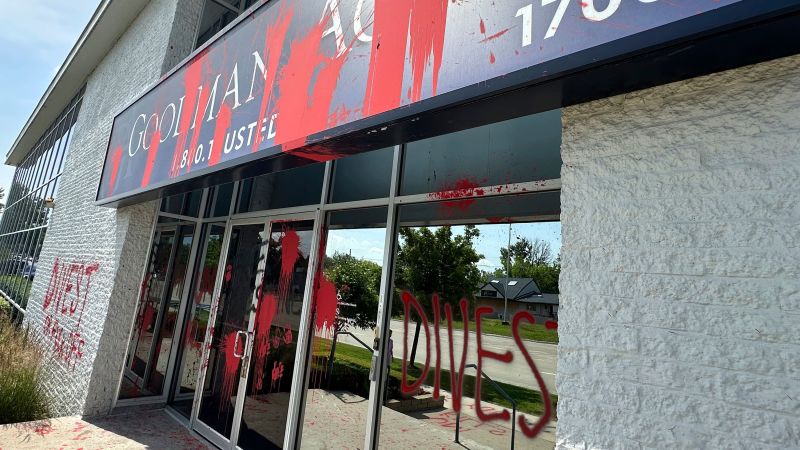
Feds charge 8 pro Palestinian activists – On Wednesday, federal prosecutors unveiled an indictment targeting eight individuals linked to pro-Palestinian activism. The document accuses them of orchestrating a coordinated effort to intimidate University of Michigan officials through a criminal campaign aimed at pressuring the institution to sever financial ties with Israel. The charges also extend to acts of vandalism against businesses operating in Michigan and the Jewish Federation of Metropolitan Detroit, as detailed in the legal filing.
Intimidation Tactics and Symbolic Acts
The indictment outlines several instances of alleged intimidation, including the placement of fake bloody corpses on the property of a university board member. These symbolic actions were intended to convey threats and instill fear. Additionally, anti-Israel messages were spray-painted at the residence of the university’s former president, Santa Ono, during a notable protest. The document emphasizes that the activists used red inverted triangles and handprints—symbols historically associated with Hamas—to mark their targets.
“In America, we rule by law not by fear. These alleged threats and attempts to terrorize government officials, businesses, and the Jewish Federation are anti-American. We will counter intimidation with justice,” stated U.S. Attorney Jerome Gorgon Jr.
The federal investigation has spanned a year, with authorities conducting raids on five Michigan homes as part of the broader effort to uncover the activists’ operations. The raids were part of a probe into pro-Palestinian graffiti that has been present on campus for months. While some of the accused are already in federal custody, others remain at large, according to Gina Balaya of the U.S. Attorney’s Office.
Legal Proceedings and Defenses
Six of the eight individuals named in the indictment are set to appear in federal court in Detroit on Wednesday. One suspect was arrested in Wisconsin, and another is currently not under arrest, according to Balaya. As of now, the Associated Press has not been able to contact any of the defendants or their legal representatives for comment. This lack of immediate response has left the details of the activists’ defense and motivations partially unclear.
The charges stem from the ongoing Israel-Hamas conflict, which has intensified global pro-Palestinian protests. Activists have demanded that the University of Michigan’s endowment halt investments in companies connected to Israel, citing the war as a catalyst for their actions. However, the university has maintained that its endowment does not hold direct investments in Israeli firms and that less than $15 million is allocated to funds that might include such companies. This amount represents less than 0.1% of the endowment’s total value, highlighting the financial scale of the university’s commitment to the cause.
Protest Context and Institutional Response
Since the Israel-Hamas war began, pro-Palestinian demonstrations have grown in frequency and intensity. These protests have often focused on university policies regarding Israel, particularly its financial relationships. In 2024, a pro-Palestinian encampment on campus was cleared by police after a month-long occupation, with the university asserting that the camp posed a threat to public safety. The incident underscores the tension between student activism and institutional authority, as well as the broader debate over the role of universities in international conflicts.
The indictment further details the use of digital platforms to amplify the activists’ message. It claims that they leveraged the internet and social media to broadcast their intentions, ensuring that their threats and ongoing efforts to disrupt the university’s operations reached both their targets and supporters of Israel. This strategy reflects a shift in protest tactics, where online coordination plays a central role in organizing and disseminating demands.
Impact on University and Community
The legal action has sparked discussions about the balance between free speech and the rule of law. Critics argue that the charges could suppress legitimate protest, while supporters see them as a necessary response to escalating intimidation. The Jewish Federation of Metropolitan Detroit, which was targeted in the indictment, has been a key figure in fostering community ties and supporting Israeli causes in the region.
As the case unfolds, the University of Michigan faces scrutiny over its handling of the protests. The institution has consistently defended its financial decisions, emphasizing that it prioritizes transparency and ethical investing. However, the indictment raises questions about how the university will address the ongoing pressure from pro-Palestinian groups, particularly in light of the symbolic acts of vandalism and the alleged criminal conspiracy.
Broader Implications and Future Outlook
The case may set a precedent for how federal authorities handle protest-related activities at universities. It also highlights the growing influence of social media in shaping political movements and the potential for such movements to be perceived as disruptive or even threatening. The eight activists, who have been linked to various acts of protest and intimidation, now face the challenge of defending their actions in court.
Legal experts suggest that the charges could have significant implications for the activists’ credibility and the broader pro-Palestinian movement. While the university maintains that its endowment policies are aligned with its values, the indictment paints a picture of a calculated campaign to exert pressure on officials. The case also brings attention to the role of universities as cultural and political hubs, where protests often intersect with institutional decisions.
Public Reaction and Ongoing Debate
Reactions to the indictment have been mixed. Proponents of the charges argue that the activists’ actions have crossed the line from peaceful protest to criminal behavior. They point to the vandalism and symbolic threats as evidence of an organized effort to intimidate. On the other hand, supporters of the activists describe the campaign as a necessary response to perceived injustices, emphasizing the importance of holding institutions accountable for their ties to Israel.
As the legal process moves forward, the case will likely be scrutinized for its impact on civil liberties and the expression of political dissent. The University of Michigan, a major public institution, remains at the center of this debate, with its actions and responses serving as a focal point for discussions about the intersection of activism, law, and international relations.
The indictment not only targets the eight individuals but also reflects the broader context of rising tensions between pro-Palestinian groups and institutions perceived as supporting Israel. With the legal proceedings set to begin, the outcome may influence how similar cases are handled in the future, shaping the landscape of political activism in American universities.
