
Amanita mushroom poisonings prompt concerns after deaths. A doctor explains what to know
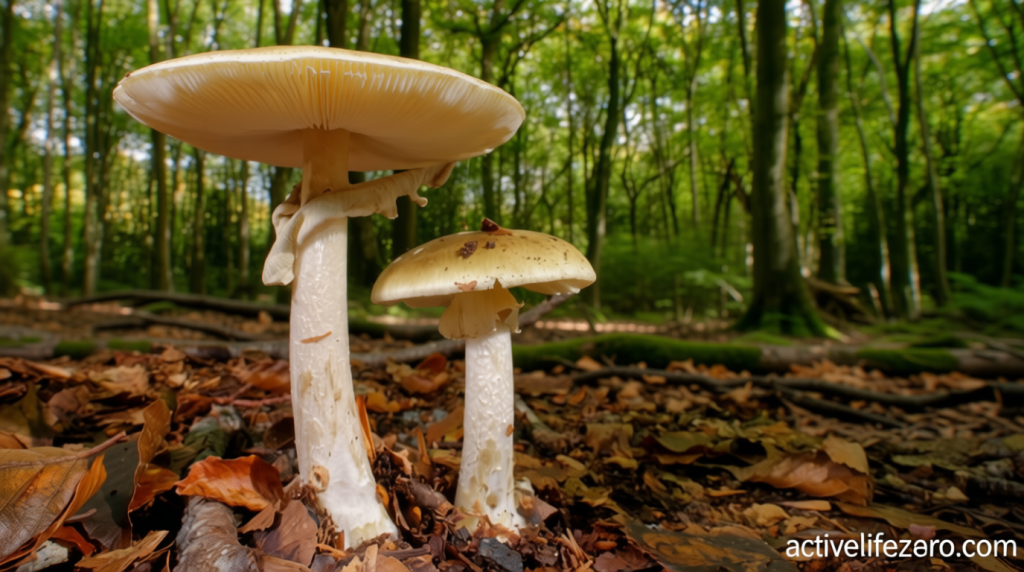
Emerging Concerns Over Amanita Mushroom Poisonings Amid Rising Psychedelic Trends
Amanita mushroom poisonings prompt concerns after – In recent months, the popularity of mushrooms for wellness and therapeutic purposes has surged, driven by social media and online communities that promote their use for mood enhancement, sleep improvement, and psychedelic experiences. However, this growing interest has raised alarms as cases of Amanita mushroom poisoning have increased, prompting the US Centers for Disease Control and Prevention (CDC) to issue a warning. A recent outbreak in California, involving several fatalities, has highlighted the risks associated with consuming wild mushrooms, especially those containing toxic compounds like amatoxins.
The Hidden Dangers of Foraging for Wild Mushrooms
While mushrooms like Amanita muscaria are often celebrated for their psychoactive properties, others in the same genus—such as Amanita phalloides—can be deadly. The CDC report, released on May 28, details a concerning incident in Northern California where 39 individuals fell ill after ingesting wild foraged mushrooms. Three of these cases required liver transplants, and four individuals lost their lives. This outbreak underscores the critical importance of proper identification when foraging, as some toxic mushrooms closely resemble edible varieties to the untrained eye.
Dr. Leana Wen, a CNN wellness expert and former health commissioner of Baltimore, explains the complexities of Amanita mushrooms. “Amanita is a genus that includes hundreds of species, many of which are safe to consume, while others can be lethal,” she says. “The confusion often arises because people use the term ‘Amanita mushrooms’ to describe a wide range of fungi, from those with mild psychoactive effects to highly toxic ones like the death cap.”
Understanding the Different Species: From Death Caps to Psychedelic Variants
The CDC report specifically points to amatoxin-containing Amanita species as the primary cause of the outbreak. Amanita phalloides, commonly known as the death cap, is notorious for its ability to induce severe liver failure. These mushrooms are responsible for the majority of fatal mushroom poisonings globally, with symptoms typically emerging six to 24 hours after ingestion. Initial signs include nausea, vomiting, and diarrhea, which can quickly escalate to liver damage and even coma.
Another species, Amanita ocreata, was also linked to the California cases. While less commonly recognized than the death cap, it shares similar toxic properties. In contrast, Amanita muscaria—featuring its iconic red cap with white spots—has gained attention for its hallucinogenic effects. Though not as lethal as death caps, it can cause neurological symptoms such as confusion, sedation, and hallucinations. Dr. Wen notes that the distinction between these species is crucial for safety, as their impacts on the body vary significantly.
“The danger depends on which species you’re consuming. Death caps and other amatoxin-containing mushrooms can lead to severe liver failure, while Amanita muscaria affects the nervous system,” says Dr. Wen. “Consumers need to understand the difference to avoid life-threatening outcomes.”
The Rise of Mushroom-Based Wellness Products
The appeal of Amanita mushrooms extends beyond traditional foraging. Amanita muscaria-containing products have become increasingly popular in the wellness market, often marketed alongside psilocybin-based mushrooms, which are used in therapeutic settings. Dr. Wen explains that this trend is part of a broader shift toward psychedelics as potential treatments for mental health conditions. Over the past decade, research on psilocybin has shown promise in managing depression, post-traumatic stress disorder, and substance use disorders.
Despite this scientific interest, many consumers are unaware of the risks. A 2024 study found a 114% increase in Google searches for Amanita mushrooms, indicating a growing curiosity about their effects. A recent RAND report estimated that approximately 3.5 million Americans used Amanita muscaria products in 2025, a number lower than psilocybin users (11.1 million) but still significant. This trend has led to a situation where unregulated products are being sold under the guise of wellness, creating potential hazards for users.
Why the Confusion? Market Trends and Consumer Awareness
Dr. Wen emphasizes that the confusion surrounding Amanita mushrooms is partly due to their marketing strategies. “Mushroom products are often grouped together under broad themes like ‘wellness’ or ‘psychedelic experiences,’ which can obscure the differences between species,” she explains. “People may assume all Amanita mushrooms are safe, but that’s not the case.” This misperception is exacerbated by media coverage that highlights the benefits of psychedelics while downplaying the risks of toxic varieties.
While the therapeutic potential of psilocybin mushrooms is well-documented, the same cannot be said for all Amanita species. For instance, Amanita muscaria acts on different brain receptors than psilocybin, leading to distinct effects. Yet, the overlapping marketing of these products has led some consumers to conflate their benefits and risks. “Even if someone isn’t aiming for a toxic effect, the combination of novelty and marketing can make people overlook the importance of proper identification,” Dr. Wen warns.
The Road to Recovery: Liver Transplants and Survival Stories
The California outbreak has prompted urgent action. Among the 39 cases, three individuals required liver transplants to survive, while four others succumbed to the poisonings. Liver failure is the most severe complication of amatoxin exposure, as the toxins inhibit the organ’s ability to detoxify the body. Dr. Wen notes that early detection and prompt medical intervention are key to improving outcomes. “In some cases, people may not realize they’ve consumed a toxic mushroom until symptoms become severe,” she says.
Despite the dangers, the allure of Amanita mushrooms remains strong. Many users are drawn to their psychoactive properties, which can induce profound changes in perception and mood. For some, these effects have been transformative. “She tried therapy and medication, but this grandmother says psilocybin is what changed her life,” Dr. Wen mentions in a separate interview, referencing a case where a patient found relief from chronic pain and depression through mushroom-based treatment.
What Consumers Need to Know Before Trying Wild Mushrooms
Dr. Wen advises that anyone interested in using wild mushrooms should prioritize safety. “Before consuming any mushroom, you should verify its species and consult a professional,” she says. “Even experienced foragers can make mistakes, especially with amatoxin-containing varieties.” She also recommends avoiding mushrooms that are not cultivated or tested for safety, as they may contain unpredictable levels of toxins.
As the trend continues, experts warn of the need for better education and regulation. “The combination of social media influence and the rapid adoption of mushroom-based therapies has created a dynamic market,” Dr. Wen states. “While this is positive for innovation, it also means consumers must be informed about the risks and benefits of each species they choose to consume.”
With the CDC’s warning and ongoing research, the conversation around Amanita mushrooms is evolving. While their therapeutic potential is promising, the deadly consequences of misidentification serve as a reminder of the importance of caution. As more people explore the world of psychedelics, understanding the differences between safe and toxic mushrooms will be critical to ensuring their benefits are realized without unintended harm.
