
New Jersey sues Delaney Hall operators for access after allegations of inhumane conditions
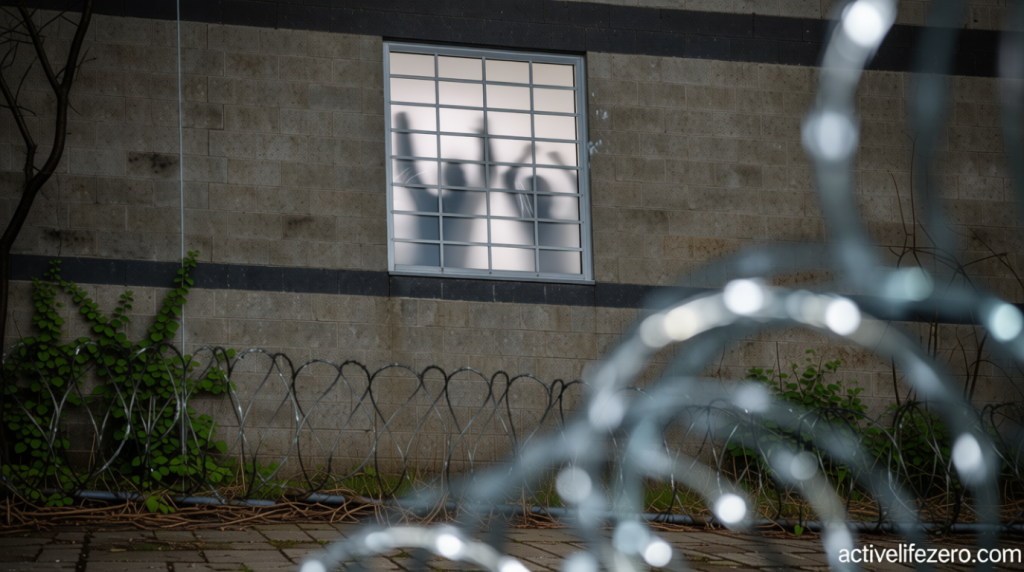
New Jersey Sues Delaney Hall Operators Over Alleged Inhumane Conditions
New Jersey sues Delaney Hall operators – On Tuesday, the state of New Jersey initiated a legal action against the private entity managing the Delaney Hall immigration detention center in Newark, requesting judicial authorization for the state health department to inspect the facility. The move follows persistent claims of poor treatment and unsanitary conditions within the center, which the governor’s office confirmed in a statement. The lawsuit marks a significant escalation in the state’s efforts to hold the facility’s operators accountable for alleged violations of detainee welfare.
Protests Intensify Amid Rising Concerns
Weeks of demonstrations outside Delaney Hall have drawn attention to the conditions inside, with activists accusing the facility of subjecting detainees to harsh treatment. These protests have occasionally turned violent, as law enforcement officers intervened in clashes with demonstrators. The ongoing unrest has been fueled by reports of inadequate medical care, psychological abuse, and other grievances, all of which the federal government has thus far rejected.
“The people of New Jersey deserve transparency and accountability, and I will continue using all the power of this office to advocate for the detainees and their families,” said Governor Mikie Sherrill in a public release.
The state’s legal action coincides with the city of Newark preparing to broaden its own case against the GEO Group, the company responsible for operating Delaney Hall. Newark’s lawsuit could potentially result in the facility’s closure if city officials are denied access. According to Newark Business Administrator Eric Pennington, the city is set to expand its claims beyond code enforcement issues, arguing that the facility’s conditions pose a threat to public health.
Delaney Hall’s Operators and Their Facilities
Delaney Hall, a 1,000-bed immigration detention center, is managed by The GEO Group, a private contractor that oversees 21 facilities under the Immigration and Customs Enforcement (ICE) program, per its official website. The state’s lawsuit highlights the company’s refusal to grant the New Jersey health department full inspection rights, leaving officials unable to assess the facility’s compliance with health and safety standards.
“As a result of GEO’s refusal to permit the state health department meaningful access to Delaney Hall, Plaintiff remains unable to fulfill its obligation to protect public health,” the lawsuit states. It further notes the inability to determine whether the facility is endangering residents or the general public due to restricted inspections. These claims were echoed by Newark Mayor Ras Baraka, who emphasized the need for comprehensive oversight during a news conference.
“The reports of detainees receiving inadequate medical care and facing psychological abuse are troubling,” Baraka stated. “Our objective is to close the building, and the people who have the greatest ability to close the building is GEO Group.”
The tensions at Delaney Hall reached a critical point over Memorial Day weekend, when detainees, according to their representatives, launched a hunger strike and labor protest to demand better living conditions. This event sparked a series of demonstrations, some of which led to arrests. The controversy is part of a larger national debate over the Trump administration’s immigration enforcement policies, which have been criticized for their strict measures and potential human rights issues.
Federal Agency’s Response and Legal Context
Despite the allegations, the Department of Homeland Security (DHS) has dismissed New Jersey’s claims as “frivolous,” asserting that Delaney Hall adheres to all state and local regulations. The agency also highlighted that the facility is regularly audited by external bodies and that New Jersey health officials had inspected its food service area just days prior. However, the state argues that these inspections were limited and did not cover the entire facility.
Delaney Hall’s operators have been under scrutiny since 2025, when Newark first filed a lawsuit over the GEO Group’s failure to secure proper permits before reopening the center. That case was later transferred to federal court, where a judge mandated private mediation. Now, with renewed evidence of conditions at the facility, Newark is poised to push for more severe legal consequences. The city’s latest expansion of its lawsuit aims to compel the GEO Group to allow full inspections, which the state says are essential for addressing ongoing concerns.
New Jersey’s lawsuit underscores the conflict between state and federal authorities, as the state health department contends that access to the facility is being withheld without justification. “In denying Plaintiff full access to the facility, Defendant never explained how Plaintiff’s request was at all burdensome,” the state wrote in its legal filing. “Nor did it clarify why Plaintiff would need to route its request through ICE when GEO Group owns and operates Delaney Hall.” This argument highlights the administrative hurdles faced by state officials in holding the private operator accountable.
The situation has drawn media attention, with CNN seeking comments from The GEO Group on Tuesday regarding the new state lawsuit and the mayor’s statements. The company’s response remains pending, but the timing of the legal action suggests a growing urgency among local officials to address the alleged mistreatment. As protests continue and inspections remain a point of contention, the outcome of these cases could have broader implications for the treatment of detainees under private contracts.
With Delaney Hall at the center of this dispute, the question of who bears responsibility for ensuring humane conditions has become a focal point of public discourse. The state and city’s combined efforts to investigate the facility represent a challenge to the federal government’s assertion of oversight. As the legal battle unfolds, the health and safety of detainees will remain a key issue for both local and national authorities to resolve.
