
Experimental pill promises new hope for deadly pancreatic cancer
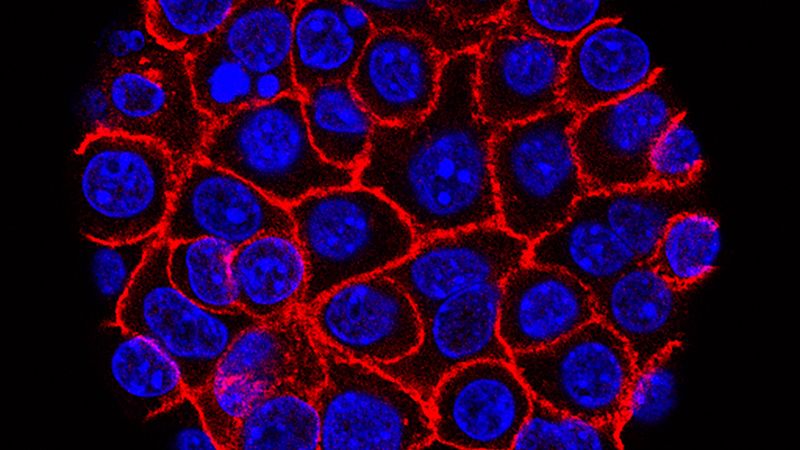
Experimental Pill Offers New Hope in Battle Against Pancreatic Cancer
Experimental pill promises new hope for deadly – Researchers have unveiled a groundbreaking development in the fight against pancreatic cancer, with an experimental pill showing promising results in extending survival for patients with advanced stages of the disease. The findings, shared at the American Society for Clinical Oncology meeting in Chicago, suggest that this novel treatment could mark a pivotal shift in the management of one of the deadliest cancers. Dr. Zev Wainberg, a lead investigator from the University of California, Los Angeles, emphasized the significance of the breakthrough, stating that the pill represents “a very large step forward” despite not curing the illness.
At the heart of the study is daraxonrasib, a medication designed to inhibit a specific mutated protein linked to tumor progression in more than 90% of pancreatic cancer cases. For decades, this protein—part of the RAS gene family—had been a persistent challenge for scientists, as its complex structure made it resistant to traditional drug therapies. The trial, which involved 500 patients with metastatic cancer that had ceased responding to prior treatments, randomly assigned participants to either receive the experimental drug or standard chemotherapy. The results revealed that those taking daraxonrasib survived for a median of 13.2 months, compared to 6.7 months for patients on chemotherapy. This doubling of survival time, paired with a reduced incidence of severe side effects, has sparked renewed optimism in the oncology community.
“Having treated pancreatic cancer for 16 years, I actually started crying” when first seeing the study results, said Dr. Rachna Shroff of the University of Arizona Cancer Center, who was not involved in the research. She highlighted how the treatment’s ability to “provide durable and meaningful benefit” allowed patients to remain on therapy longer, improving their quality of life and reducing pain as tumors shrank.
While the survival extension may appear modest, Wainberg noted it represents the first time a drug has demonstrated a “substantial advantage” over chemotherapy for this aggressive disease. The pill’s effectiveness appears to stem from its unique ability to target KRAS mutations, which are particularly vital in pancreatic cancer’s progression. These mutations, long considered “undruggable” due to their structural complexity, are now being addressed with a new approach that uses molecular glue to bind with multiple KRAS subtypes. This innovation could pave the way for more precise therapies tailored to individual genetic profiles.
The drug’s success has already drawn public attention, with former U.S. Senator Ben Sasse sharing his experience on “60 Minutes.” He described how the medication significantly alleviated his pain, sparking widespread interest in its potential. As a result, oncologists are experiencing a surge in requests for the drug through an “expanded access” program, which allows patients meeting specific criteria to try it before FDA approval. Revolution Medicines, the manufacturer of daraxonrasib, is also working to expedite the drug’s review process, with the Food and Drug Administration prioritizing its evaluation.
Pancreatic cancer remains one of the most lethal forms of cancer, largely due to its ability to evade detection until it has spread to other organs. The American Cancer Society estimates that approximately 67,000 new cases will be diagnosed in the U.S. this year, and over 52,000 individuals are expected to succumb to the disease. With a five-year survival rate of just 13%, the need for effective treatments has been urgent. Unlike other cancers that have seen a range of therapeutic advancements, pancreatic cancer has lagged behind, making this discovery all the more critical.
A New Approach to Targeting KRAS Mutations
Traditionally, chemotherapy has been the primary treatment for advanced pancreatic cancer, but its limitations have long been evident. The recent trial underscores how daraxonrasib’s ability to directly target KRAS mutations could transform the landscape. These mutations are known to drive tumor growth by disrupting normal cell regulation, but their resistance to conventional drugs made them a formidable obstacle. The pill’s mechanism, which functions like molecular glue to stabilize the mutated proteins, offers a novel solution to this problem.
Wainberg explained that the drug’s efficacy may vary depending on the specific subtype of KRAS mutation present in a patient’s tumor. This variability could lead to personalized treatment strategies, potentially maximizing outcomes. Dr. Brian Wolpin of the Dana-Farber Cancer Institute added that the medication should soon become “a new standard of care” for patients who have already undergone prior treatment. He also mentioned plans to investigate its use in earlier stages of the disease, where tumor shrinkage might enable more patients to qualify for surgery.
While the study highlights daraxonrasib’s promise, researchers caution that the drug’s effects may continue to evolve. Some patients in the trial remained on the medication for extended periods even after data collection, suggesting the survival gap might expand as more long-term results emerge. The drug’s side effects, primarily a rash and mouth sores, were less severe than those associated with chemotherapy, further supporting its viability as a more tolerable alternative.
A Turning Point for Future Therapies
Cancer specialists not involved in the research expressed cautious optimism, calling the findings a potential turning point in the quest for better treatments. “This thing works drastically differently,” remarked Dr. Andrew Coveler of the Fred Hutchinson Cancer Center, underscoring the drug’s innovative approach. The success of daraxonrasib could inspire further exploration of molecular glue therapies and similar strategies for other cancers, particularly those with challenging genetic drivers.
Currently, dozens of experimental drugs are in development, each targeting different aspects of pancreatic cancer’s biology. The trial’s results may accelerate the pace of research, encouraging collaboration across institutions to refine and expand these therapies. As Wainberg noted, the next step involves analyzing whether the drug performs better against specific KRAS subtypes, potentially leading to more targeted interventions.
Meanwhile, the broader implications of this breakthrough extend beyond pancreatic cancer. The success of daraxonrasib in tackling a previously “undruggable” target has reinvigorated efforts to develop treatments for other cancers with similar genetic challenges. This shift marks a significant milestone in oncology, demonstrating that even the most stubborn diseases can be addressed with creative scientific approaches. As more patients benefit from the drug’s effects, the medical community anticipates a future where survival rates for pancreatic cancer may no longer be as dismal as they currently are.
With the drug’s potential now validated, the focus turns to real-world implementation. Oncologists are preparing to integrate daraxonrasib into clinical practice, while researchers continue to study its long-term impacts. The trial’s success not only offers hope for patients but also reinforces the importance of continued investment in innovative therapies. As the American Cancer Society’s data shows, the need for progress in this area is dire, and this experimental pill may finally provide the breakthrough that has been long awaited.
