
What to watch for in the US-Iran memo to end the war
What to Watch for in the US-Iran Memo to End the War
What to watch for in the US – The proposed agreement between the United States and Iran, a relatively brief document known as a memorandum of understanding, is proving to be a complex and time-consuming endeavor. Despite its concise nature, the text has sparked extensive debate, with every phrase and clause scrutinized for its implications. The process, set to span two months, hinges on the careful negotiation of terms that carry significant weight in shaping the future of the conflict.
Sequencing and Definitions: A Delicate Balance
One of the most contentious aspects of the draft agreement is the definition of the 60-day timeline outlined in its provisions. Is this period an extension of the existing ceasefire or a formal conclusion to hostilities? The question remains unresolved, highlighting the precarious nature of diplomatic language. While the memo is expected to cover only a dozen key points, the nuances of each section demand meticulous attention. This includes the interplay between commitments and conditions, which could determine the agreement’s viability.
Iran’s pledge of “utter ruin” if the war resumes underscores the stakes involved. The nation’s stance is clear: it will not back down without tangible concessions. Meanwhile, the United States seeks to secure a binding framework that outlines Iran’s willingness to negotiate and the extent of its sacrifices. As Secretary of State Marco Rubio emphasized, the deal must convey a definitive path forward, ensuring both parties see value in the compromise.
Strait of Hormuz: A Strategic Crossroads
The restoration of navigation through the Strait of Hormuz has emerged as a central issue in the negotiations. For three months, the waterway has been paralyzed, disrupting global trade and inflating the price of crude oil. The agreement aims to resolve this by establishing a framework for unrestricted shipping. However, the question of who controls the strait remains a point of contention.
President Donald Trump has insisted on immediate, unimpeded access to the strait, with Iran responsible for clearing mines. This demands a delicate balance between Iran’s desire to maintain oversight and the US’s push for full freedom. The Iranian parliament’s National Security Commission head, Ebrahim Azizi, described the proposal as “smart management,” emphasizing the permanence of Iran’s control measures. Yet, the US navy’s blockade of Iranian ports is a key demand, with Trump warning Oman—long a Western ally—against aligning with Iran’s terms.
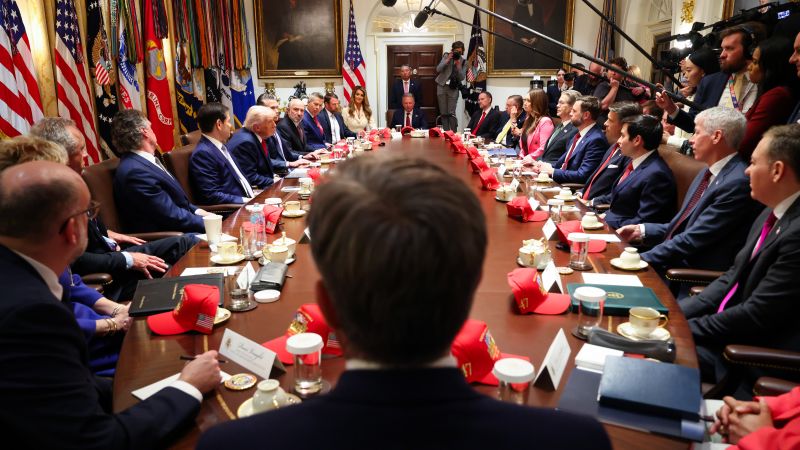
“Oman will behave just like everybody else, or we’ll have to blow them up,” Trump stated during a cabinet meeting, reflecting his firm stance on the issue.
Iran, meanwhile, argues that its management of the strait is not a concession but a natural right. The country’s foreign ministry spokesman, Esmail Baghaei, noted that the US’s “musts” are actually requests, highlighting the disparity in how each side perceives the deal’s requirements. This divergence in perspective complicates the path to consensus, as both nations must reconcile their strategic priorities.
Defining Success: The 60-Day Window
The 60-day period envisioned in the memo is critical for determining the ceasefire’s status. If the agreement is ratified, this timeframe could mark the transition from temporary pause to lasting peace. However, the interpretation of this period remains ambiguous. Will it signal the end of hostilities, or merely a pause in the conflict? The distinction is vital, as it affects the obligations each side must uphold.
According to some accounts, the memo includes a clause allowing Iran to gradually restore pre-war shipping levels over 30 days. This provision appeals to industry stakeholders, who advocate for a sustained period of calm before resuming operations. Yet, Trump has pushed for immediate, unrestricted access, with no tolls or delays. His insistence on this condition underscores the urgency of resolving the dispute, even as Tehran continues to negotiate.
“The ‘musts’ that the Americans bring up are actually requests,” Esmail Baghaei remarked, illustrating the tension between perceived demands and negotiable terms.
Iran’s position is further complicated by the requirement to demine the strait, which it views as a necessary step toward stability. The nation’s state media claims the memorandum will also mandate the withdrawal of US military forces from the region, though Trump’s statements have not yet included this detail. The timing of such withdrawals could influence the effectiveness of the agreement, particularly if the navy’s presence is tied to the blockade’s continuation.
The Clock is Ticking: What Lies Ahead
As of May 29, the US Central Command reported that 115 commercial vessels had been redirected to bypass Iranian ports, a direct consequence of the ongoing naval blockade. This has placed immense pressure on both sides to reach a resolution swiftly. With the MoU still in flux, the clock is ticking toward a decisive moment. Once signed, the document will set the stage for implementation, but the window of opportunity may narrow quickly.
Rezaei, an adviser to Supreme Leader Mojtaba Khamenei, criticized Trump’s approach, stating that his demands in negotiations “have once again proven that he is not inclined toward negotiation and is pursuing other objectives.” This sentiment reflects the growing skepticism in Tehran, where the US’s insistence on control over the strait is seen as a veiled attempt to assert dominance. Meanwhile, the Iranian leadership remains resolute, believing that their concessions are justified by the US’s broader strategic goals.
Despite the challenges, the agreement represents a critical step toward de-escalation. However, the success of the MoU depends on the ability of both parties to find common ground. The synchronization of the strait’s reopening with the lifting of the naval blockade will be a key test of their commitment. If executed smoothly, the document could pave the way for a lasting peace. If not, the war may resume with renewed intensity.
A Fragile Path Forward
The process has been described as a work in progress, with each side adjusting its demands as the talks evolve. The US, led by Defense Secretary Pete Hegseth, has sought to reassure allies that patience is key in this historic effort. “Any deal will be a good one, a great one, and he’s patient in the pursuit of that,” Hegseth said during a visit to Singapore. This sentiment aligns with Trump’s broader vision of a comprehensive resolution, though the specifics remain under negotiation.
As the deadline approaches, the international community watches closely. The memorandum’s finalization could signal a turning point in the conflict, offering a framework for cooperation and stability. However, the challenges of language, sequencing, and sovereignty mean that the path to peace is far from certain. The upcoming weeks will determine whether this agreement becomes a bridge to peace or a stepping stone for further escalation.
