
Mullin plan to punish sanctuary jurisdictions by targeting their airports faces fierce headwinds
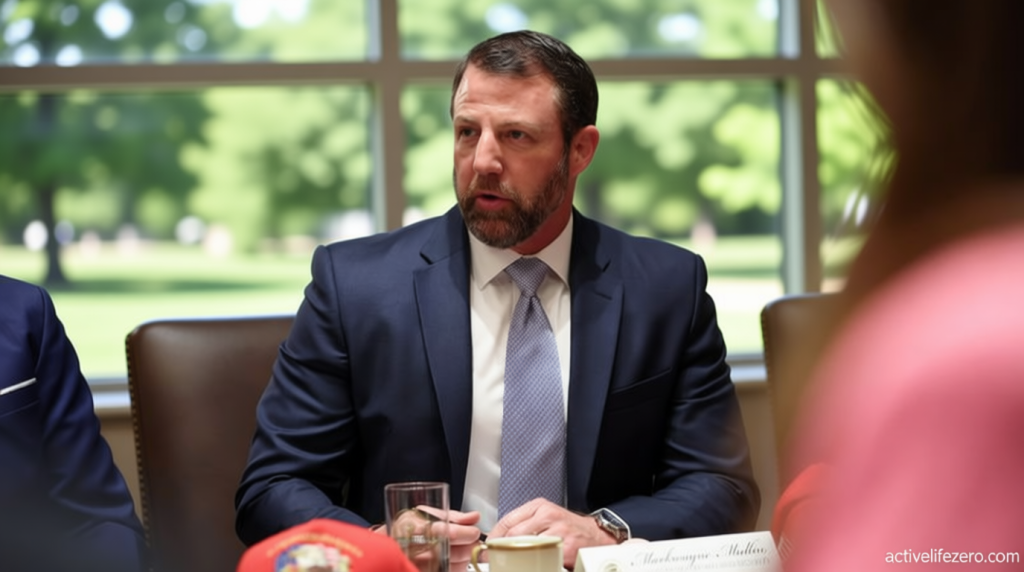
Mullin Targets Sanctuary Jurisdictions’ Airports Amid Pushback
Mullin plan to punish sanctuary jurisdictions – Markwayne Mullin’s plan to punish sanctuary jurisdictions by targeting their airports has sparked intense debate. Since taking the helm of the Department of Homeland Security (DHS) in March, the secretary has proposed reducing customs and border protection (CBP) staffing at key airports in areas that prioritize local immigration policies over federal mandates. The initiative seeks to create logistical challenges for international travelers, indirectly penalizing jurisdictions that resist federal enforcement. However, the plan is already facing considerable resistance from both the travel sector and local leaders, who warn of potential disruptions to the nation’s critical transportation networks.
Plan to Disrupt Airport Operations Gains Momentum
Mullin’s strategy hinges on using airports as leverage against cities and states that are labeled as sanctuary jurisdictions. These regions have enacted policies to limit cooperation with federal immigration enforcement, often allowing undocumented immigrants to remain in their communities. The idea is to cut CBP personnel at major airports, which could delay international travel processing and raise operational concerns. While Mullin frames this as a necessary step to enforce federal immigration laws, critics argue it could create unintended economic consequences.
“If sanctuary jurisdictions are not allowing federal agents to enforce immigration laws, then we shouldn’t be processing international flights into their cities either,” Mullin stated during a recent Fox News interview.
This quote underscores Mullin’s belief that the current system is contradictory. He contends that while these jurisdictions may resist deportation efforts, they still benefit from the flow of international travelers. However, the administration’s allies and industry representatives have questioned the practicality of the plan, suggesting it might be more symbolic than impactful in the broader context of immigration policy.
Industry and Officials Voice Concerns Over Disruption
The travel industry has raised alarms about the potential fallout of Mullin’s proposal. Airlines, which have not yet publicly endorsed the idea, fear that reduced CBP staffing could lead to flight delays, higher costs, and logistical bottlenecks. Halting international processing at major airports could disrupt global commerce and tourism, affecting regional economies. Sean Duffy, the Transportation Secretary, highlighted these concerns during a congressional hearing, stating that penalizing airports in sanctuary jurisdictions could be an overreach of federal authority.
Local officials have also expressed worries about the economic ramifications. Many airports serve as crucial hubs for trade, tourism, and employment, and sudden changes in processing could ripple across multiple sectors. While the White House has not officially backed the plan, Mullin continues to push it as a way to assert federal control and pressure jurisdictions that have been vocal in opposing his immigration agenda.
Sanctuary Jurisdictions: A Growing List
The designation of “sanctuary jurisdictions” remains a contested concept. Generally, these are areas that adopt policies to slow or prevent the deportation of undocumented immigrants. The DOJ’s list of such jurisdictions, released last year, has since expanded, encompassing both Democratic and Republican-led regions. This broad categorization has fueled debates over its fairness and effectiveness, with some arguing it lacks a clear legal framework.
Mullin’s focus on this issue has intensified since his appointment, with the proposal often resurfacing in White House discussions. Two Trump officials familiar with the plan told CNN that it reflects Mullin’s personal initiative rather than a unified federal directive. They described the strategy as a way to maintain pressure on jurisdictions that have challenged the administration’s immigration priorities, though its implementation remains uncertain.
Potential Consequences of the Plan
Despite internal support, the plan’s consequences could be far-reaching. Airlines operate on tightly scheduled routes, and shifting international processing to non-sanctuary airports might be difficult to execute swiftly. Many major airports are already operating at peak capacity, leaving little room for adjustments. This means the plan could affect the entire travel ecosystem, even if it targets specific jurisdictions.
Industry experts warn that the move could strain the U.S. immigration system, leading to longer wait times and reduced efficiency. While the goal is to penalize sanctuary jurisdictions, the broader impact might deter travelers and complicate international relations. As the debate continues, the plan’s success will depend on its ability to balance enforcement with the practical needs of the transportation network.
