
They were trapped looking for gold in a flooded cave. How were they found and will they be rescued?
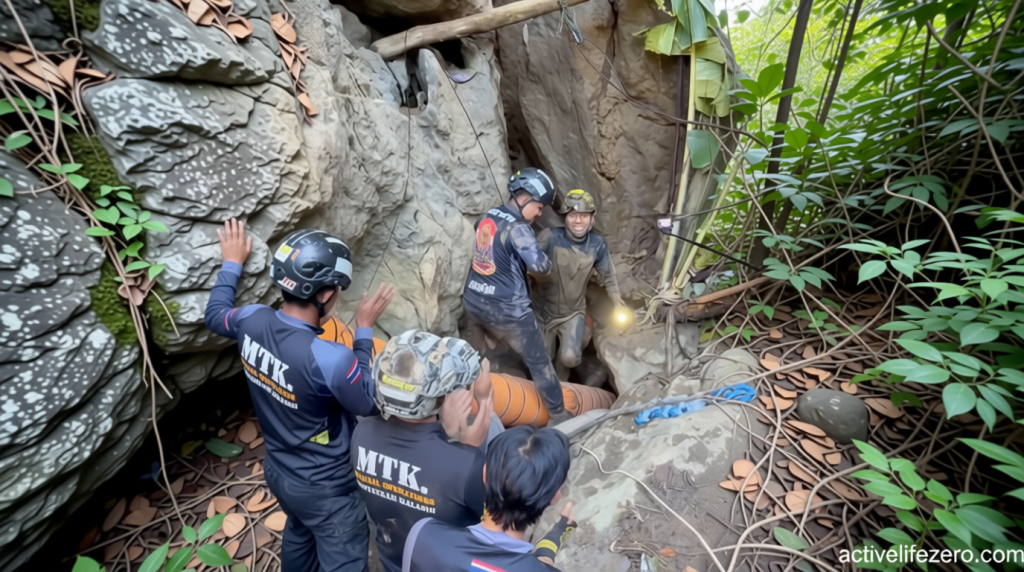
Five Trapped in Laos Cave: Gold Hunters Rescued After 7 Days
They were trapped looking for gold – Gold seekers trapped in a Laos cave system have been located after a week-long ordeal, marking a critical milestone in an unfolding international rescue mission. The five men, who were initially searching for gold deposits deep within the flooded tunnels, were discovered in a precarious position more than 260 meters from the entrance. With the aid of a multinational team of divers, the operation has shifted from survival to extraction, as hopes grow for a successful exit. The breakthrough, announced on Wednesday, brought relief to families and underscored the urgency of the situation, with the survivors’ fate now hinging on the next phase of the rescue.
A Desperate Search Through Dark Waters
Rescue efforts intensified as teams from Thailand, Finland, and other nations mobilized to locate the men. The search, which began immediately after the cave collapsed, required navigating treacherous underwater passages and enduring harsh conditions. “The men were trapped looking for gold, and we’re doing everything to bring them back,” said one diver, highlighting the mission’s dual purpose: saving lives and recovering equipment. While the first stage of the rescue focused on finding the survivors, the second stage will involve creating a secure pathway to extract them, a process that could take days due to the cave’s complexity.
Video footage from the operation reveals the challenges faced by rescuers, including murky waters and narrow tunnels that limited movement. At one point, divers had to strip their gear to squeeze through a crack, demonstrating the extreme measures required to reach the trapped individuals. The presence of hydrogen sulfide, a toxic gas from decaying bat droppings, also added to the peril, causing several rescuers to faint during the search. Despite these obstacles, the team persisted, driven by the knowledge that the men’s survival depended on their determination.
The Gold Rush That Led to Tragedy
Earlier this week, the five men had entered the cave system, drawn by the prospect of gold deposits hidden in its depths. This speculative mining venture, which has grown in popularity across Laos, was intended to yield economic rewards. However, the men underestimated the risks, particularly the potential for sudden flooding. The cave’s entrance, which slopes downward at a 45-degree angle, became a critical factor when heavy rains transformed the area into a waterlogged labyrinth. “We were looking for gold, but the cave turned against us,” one survivor later admitted, echoing the sentiment of many in the region who have faced similar fates.
While the five men were the primary focus, the incident also raised concerns about other individuals who had entered the cave earlier. Two others remain missing, their locations uncertain as the water continues to rise. Lao officials emphasized that the rescue operation must prioritize the survival of all stranded people, even as the narrow window for extraction grows smaller. The success of the first phase has already demonstrated the team’s resilience, but the coming days will test their ability to navigate the cave’s dangers and bring everyone to safety.
International Collaboration in a High-Stakes Rescue
The rescue effort has become a testament to global cooperation, with divers from multiple countries working in unison to save the trapped men. Thai and Finnish divers, in particular, have played pivotal roles, showcasing expertise in underwater extraction. The use of advanced equipment, including specialized diving gear and real-time communication systems, has allowed the team to operate effectively in the cave’s challenging environment. “It’s a race against time and nature,” stated a spokesperson, underscoring the delicate balance between human ingenuity and the cave’s unpredictable conditions.
As the team prepares for the next phase, they must also consider the physical and mental toll on the survivors. The men, who were found clinging to a narrow ledge, have been receiving oxygen and sustenance to stabilize their condition. Their voices, captured in video footage, convey a mix of gratitude and exhaustion, adding a human element to the technical challenges of the rescue. While the initial discovery brought hope, the journey to freedom will demand meticulous planning and unwavering focus, with every decision carrying the weight of potential consequences.
The Path to Safety: Navigating the Labyrinth
Creating a safe route for extraction has proven to be one of the most complex tasks of the mission. The cave’s structure, with its twisting passages and deep chambers, requires careful navigation to avoid further collapse or entrapment. Rescue divers have already established a connection with the survivors, using ropes and communication devices to coordinate their movements. The depth of the cave, combined with the rising water levels, means that the team must work quickly to secure a path before the conditions worsen.
Despite the obstacles, the international team remains optimistic. “The survivors are alive and will be rescued,” said a Lao official, who emphasized the importance of maintaining hope during the operation. The success of the first stage has provided valuable data, including insights into the cave’s layout and the survivors’ current status. As the final phase begins, the focus will shift from finding the men to bringing them out, a process that requires precision, patience, and the collective effort of the rescuers. The world watches closely, as the fate of the five gold hunters hangs in the balance.
