
Five of seven people trapped in Laos cave found alive by rescuers
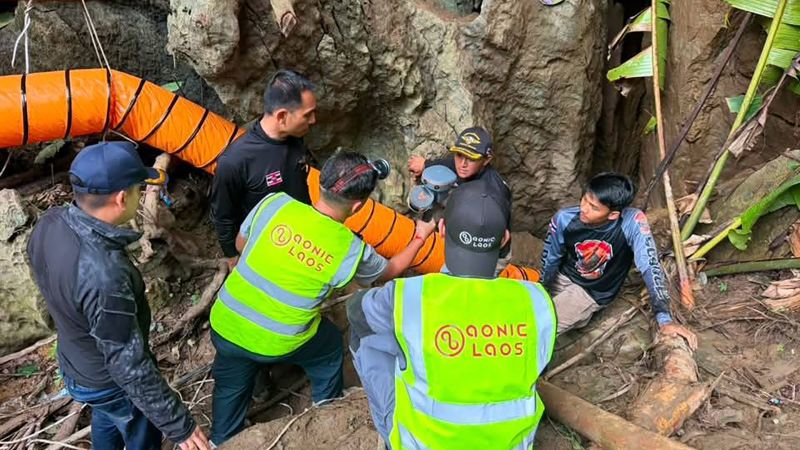
Five of Seven Trapped in Laos Cave Found Alive
Five of seven people trapped in Laos – Rescuers in Laos made a critical breakthrough on Wednesday, locating five of the seven villagers who had been trapped in a flooded cave system in the central province of Xaisomboun. The discovery brought immediate relief to the families of the missing, as the survivors were confirmed to be alive and in good condition. This incident has drawn parallels to the historic 2018 Thai cave rescue, which saved 12 boys and their coach from a flooded cave in Chiang Mai. The current operation, however, involves a different set of challenges and participants, highlighting the resilience of international rescue teams.
Survivors Located Amid Ongoing Search
The five rescued individuals were found by a team of specialized cave divers, who navigated the labyrinthine tunnels of the cave complex. While the survivors remain confined within the underground cavern, rescuers have continued their efforts to locate the remaining two people. “Five people have been found safe. The search continues for the remaining two,” wrote Thai diver Kengkad Bongkawong on Facebook at 4:30 p.m. local time. The news spread rapidly, with rescuers on the surface expressing joy and relief through hugs, tears, and cheers, as captured in social media clips.
“The task so far has been far from easy and everybody involved has done amazing work,” noted Finnish diver Mikko Paasi on Instagram. While the survival of five villagers is a significant milestone, he emphasized that the rescue operation is far from over. “All healthy and in good spirits, but the extraction is still ahead and it ain’t going to be easy,” he added.
Paasi, a key figure in the mission, described the arduous journey through the submerged tunnels. His team had to return to the cave multiple times to deliver essential supplies, ensuring the survivors could sustain themselves while preparing for their eventual exit. Video footage from Paasi’s GoPro camera shows the villagers being asked for their names and medical conditions, with reports indicating they are not ill but are weak and extremely hungry. This information will guide the next steps in their rescue.
Challenges of the Underwater Rescue
The cave system, known for its treacherous conditions, has posed significant obstacles to the rescue teams. According to the Metta Tham Kalasin (MTK) Command and Control Center, rescuers had to traverse a 340-meter (1,115 feet) tunnel to reach the trapped individuals. Some sections of the tunnel are only about 23 inches wide, forcing divers to remove their gear to squeeze through and continue the mission. These narrow passages, combined with the pitch-black environment and partial flooding, have created a high-risk scenario for the divers.
Rescue Volunteer for People, a local group coordinating efforts, confirmed that the five survivors were “alive and all safe.” However, the process of extracting them from the cave remains complex. The MTK team reported that the survivors are currently on an elevated ledge inside the cave, which allows for continuous airflow—a crucial factor in maintaining their health during the ordeal. This ledge is believed to be their temporary refuge, though it is still isolated from the surface.
Villagers’ Mission and the Flood’s Impact
The villagers, all male, entered the cave last Wednesday in search of gold deposits. Their exploration was interrupted when heavy rainfall triggered sudden flash flooding, sealing the exit and trapping them inside. Bongkawong, a local coordinator, explained to CNN that the initial search for the missing began immediately after the flood, with teams working tirelessly to locate the survivors. “Once the trapped people are found, they will be given a physical assessment and provided with liquid and gel food,” he said, underscoring the urgency of the situation.
Rescue operations have been supported by over 100 participants, including 15 experienced divers and experts who played a vital role in the 2018 Thai cave rescue. The collaboration between international teams and local authorities has been essential in overcoming the cave’s challenges. Despite their efforts, the search for the two remaining villagers continues, with rescuers navigating the submerged passages and using advanced equipment to map the cave’s interior.
Quotes from the Rescue Frontlines
“Don’t cry, don’t cry!” one diver said in video footage, as the trapped villagers were reassured during the rescue. This moment of connection between rescuers and survivors has become a symbol of hope in the ongoing operation. Paasi highlighted the emotional toll of the mission, noting that the divers have faced not only physical strain but also the psychological pressure of keeping the survivors safe.
While the five survivors are now in a stable condition, the extraction process is expected to be lengthy and intricate. The narrow tunnel sections, combined with the risk of further flooding, mean that rescuers must plan carefully to avoid additional dangers. “We are focused on bringing the remaining two out as quickly as possible,” Bongkawong stated, adding that the team is continuously monitoring water levels and cave conditions.
The situation has also drawn attention to the importance of preparedness in such environments. Local experts emphasized that the cave’s unique structure—its combination of narrow tunnels and continuous airflow—could be both a lifeline and a challenge for the survivors. The villagers’ ability to remain calm and cooperative has been a key factor in the rescue progress, according to on-site reports. However, the physical and mental strain of the ordeal is evident, with many expressing gratitude for the rescuers’ persistence.
Global Efforts and Future Outlook
The rescue mission has become a global collaboration, with teams from Thailand, Finland, and other countries contributing their expertise. The use of technology, such as GoPro cameras and real-time communication systems, has allowed for transparent updates and emotional support for the families involved. As the operation progresses, rescuers are preparing for the next phase, which involves a more systematic approach to extract the remaining two individuals.
While the immediate outcome is positive, the long-term success of the rescue depends on factors such as the cave’s stability, the health of the trapped, and the efficiency of the extraction plan. “We are optimistic but cautious,” Paasi said, reflecting the delicate balance of hope and urgency in the mission. The story of these seven villagers continues to unfold, with rescuers working around the clock to ensure everyone’s safe return. As the search intensifies, the community and international supporters remain hopeful for a successful conclusion to this extraordinary event.
This incident underscores the complexity of cave rescue operations and the critical role of teamwork, technology, and determination. The lessons learned from the 2018 Thai rescue have been applied here, but the unique conditions of Laos’s cave system present new challenges. With the survivors’ health closely monitored and the extraction plan meticulously designed, the focus remains on bringing all seven individuals to safety. The ongoing efforts serve as a reminder of the human spirit’s capacity to overcome even the most daunting circumstances.
As the teams continue their work, the situation in the cave remains fluid. Updates are expected to provide further insights into the progress of the rescue and the well-being of the remaining two villagers. The story is far from over, but the survival of five individuals has given the world a reason to remain hopeful in the face of adversity.
