
Teens need to press pause on late-night doomscrolling
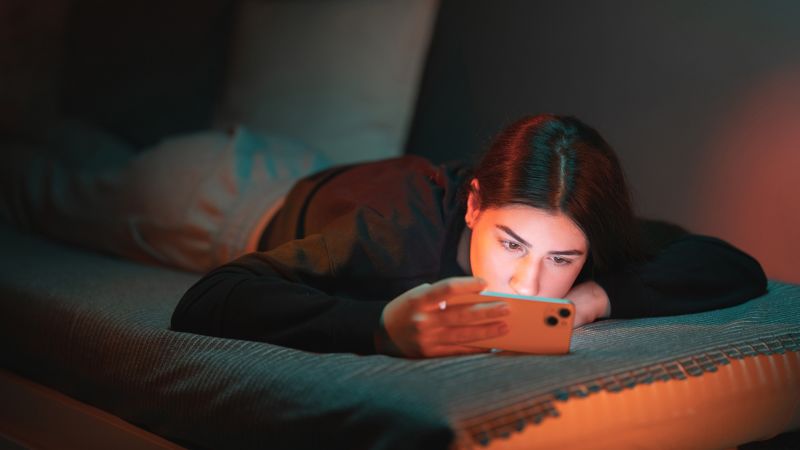
Teen Nighttime Phone Use Linked to Sleep Depletion, Study Finds
Teens need to press pause on late – Modern teenagers are increasingly glued to their smartphones during late-night hours, a habit that is disrupting their sleep schedules and undermining their health. A recent study reveals that over half of U.S. adolescents are using their phones for more than an hour each night between 10 p.m. and 6 a.m. on school nights, a pattern that could have significant consequences for their development. Experts warn that such behavior not only reduces the amount of sleep teens get but also interferes with the quality of rest they need to thrive.
Sleep Recommendations vs. Reality
The American Academy of Pediatrics and the American Academy of Sleep Medicine advocate for teenagers to receive eight to 10 hours of sleep daily. However, data from the Adolescent Brain Cognitive Development Study shows that many teens are falling short of this goal. According to lead author Jason M. Nagata, an associate professor of pediatrics at the University of California, San Francisco, more than half of adolescents engage with their devices during the middle of the night, between 12 a.m. and 4 a.m. This activity, often driven by social media scrolling or entertainment, is directly cutting into their sleep duration.
Nagata’s research analyzed how smartphone usage patterns affect nighttime rest. The findings highlight that specific app interactions—particularly those involving social media, streaming, and messaging—are key contributors to sleep disruption. While the study does not definitively prove that late-night phone use causes harmful outcomes, prior studies have linked sleep deprivation to cognitive and emotional challenges in teens. Dr. Mary A. Carskadon, a professor of psychiatry and human behavior at Brown University, emphasizes that reduced sleep can impair daily functioning and affect mood regulation.
“By displacing the opportunity to sleep, it can be challenging for teens to get adequate rest, and that has downstream impact on their waking behavior,” Carskadon explained.
The Ripple Effects of Poor Sleep
When teens don’t get enough sleep, their brains and bodies suffer. Cognitive performance declines, making it harder to process information, retain memories, and focus on tasks. Carskadon notes that learning is a critical part of adolescence, encompassing academic, social, and personal development. “Whether it’s school learning, learning their sports, or how to behave with others, there’s a lot of growth happening during this time,” she said.
Emotional regulation also deteriorates with sleep loss. A 2013 study demonstrated this by observing adolescents over three weeks. The participants initially had a normal sleep schedule, then experienced a week of restricted sleep with only 6.5 hours per night, followed by a final week of restful sleep with 10 hours nightly. During the restricted phase, teens reported heightened feelings of anxiety, anger, confusion, and fatigue. Parents and the teens themselves also noted increased irritability and difficulty managing emotions.
“The less sleep a teenager has, the more irritable they become,” Carskadon observed. “Parents will tell you that’s one of those no-brainer kind of conclusions.”
For some adolescents, inadequate sleep may even elevate risks to mental health. Nagata’s earlier analysis in 2023, using the same dataset, found that 17% of teens face heightened vulnerability to conditions like depression and anxiety when sleep is disrupted. Carskadon adds that sleep deprivation could also contribute to more severe issues, including suicidal thoughts, self-harm, and risky decision-making. “It’s not just about feeling tired—it’s about how sleep loss affects the brain’s ability to regulate emotions and behavior,” she said.
Apps Driving the Midnight Scroll
The study identifies the types of apps teens are most engaged with during nighttime hours. Social media platforms, streaming services, and messaging apps dominate their screen time. On average, teens spend 33 minutes per night on apps like YouTube, Instagram, and TikTok, with these platforms accounting for the majority of their late-night activity. Nagata points to the interactive nature of these apps as a major factor in sleep disruption.
“These apps require active participation, which keeps the brain alert and delays bedtime,” Nagata explained. “Even the light from the screen or the sound of notifications can fragment sleep throughout the night.” This phenomenon creates a cycle where teens wake up, check their phones, and get pulled back into the digital world, making it harder to fall asleep again. Experts suggest that this habit loop is especially problematic because it ties nighttime rest to the dopamine-driven rewards of social media and entertainment.
“When you’re supposed to be sleeping, your arousal levels need to go down, but those are the kinds of interactions that amp up your arousal and make it harder to sleep,” Carskadon said.
Parents and educators are now seeking solutions to address this growing issue. Simple strategies like setting screen time limits before bed or using device-free zones in the bedroom are being recommended. However, the study underscores that the problem is multifaceted, requiring both individual and systemic changes. “It’s not just about turning off the phone—it’s about rethinking how we use technology during the night,” Nagata noted.
What the Data Reveals
The Adolescent Brain Cognitive Development Study provides a comprehensive look at how smartphone usage patterns vary across different age groups and demographics. While the research focuses on sleep disruption, it also highlights the broader implications for adolescent development. For instance, teens who use their phones for extended periods during the night may struggle more with attention spans, memory consolidation, and emotional stability.
Experts warn that this trend could have long-term consequences for brain development. The prefrontal cortex, responsible for decision-making and self-control, is still maturing in teens. Chronic sleep loss might hinder this process, leaving adolescents more prone to impulsive actions or poor judgment. “Sleep is a foundational element for cognitive growth, and when it’s consistently interrupted, the effects can be cumulative,” Carskadon said.
Additional findings from the study suggest that apps like YouTube, Instagram, and TikTok are not only popular among teens but also the most time-consuming. These platforms often keep users scrolling for hours, fueled by endless content and real-time engagement. Nagata’s team is currently exploring how different types of app interactions—such as passive viewing versus active participation—impact sleep differently. The results could inform targeted interventions to help teens break free from late-night screen time.
As the digital world becomes more integrated into daily life, the challenge of balancing screen use with sleep is growing. Parents are urged to monitor their children’s nighttime habits, while schools and healthcare providers are encouraged to promote sleep hygiene as part of wellness education. By addressing this issue early, experts hope to mitigate its effects on teen health and development.
