
Supreme Court allows Brian Flores to sue NFL for discriminating against Black coaches
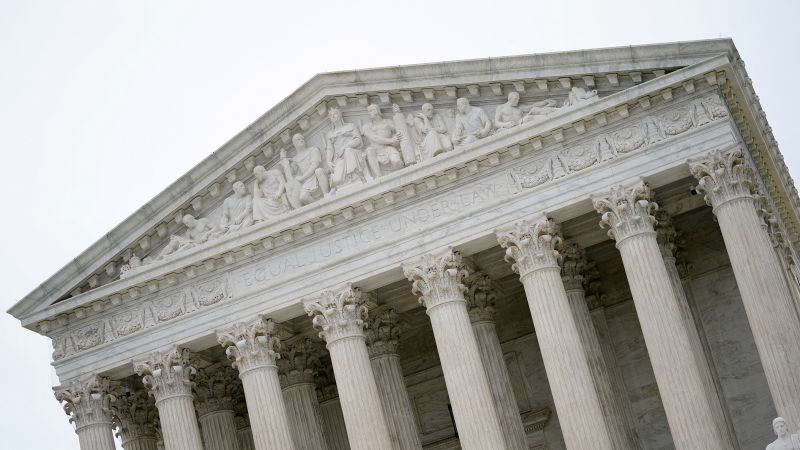
Supreme Court Allows Brian Flores to Sue NFL Over Racial Discrimination
Supreme Court allows Brian Flores to sue – The Supreme Court has permitted Brian Flores to pursue a lawsuit against the NFL, marking a pivotal development in the ongoing fight against racial bias in coaching positions. This decision comes after the NFL sought to have the case dismissed through arbitration, but the Court opted to defer to a lower appellate ruling. By allowing the lawsuit to proceed, the Court has opened the door for Flores to challenge the league’s hiring practices and claim that Black coaches face systemic disadvantages compared to their white counterparts.
Background of the Legal Battle
Brian Flores, currently serving as the defensive coordinator for the Minnesota Vikings, previously worked as a coach for the New England Patriots, Miami Dolphins, and Pittsburgh Steelers. In 2022, he filed a class-action lawsuit alleging that the NFL systematically overlooks Black coaches during recruitment and promotions. The case has sparked broader conversations about racial equity in professional sports, with Flores and his fellow plaintiffs arguing that their experiences reflect a consistent pattern of discrimination.
The NFL contested the lawsuit, pushing for arbitration as a means to resolve the dispute quickly. However, the league’s approach was criticized for its lack of impartiality, as it aimed to have Flores’ claims adjudicated by Roger Goodell, the NFL commissioner. This setup, the plaintiffs argued, grants the league undue control over the outcome, effectively sidelining a fair third-party evaluation. The decision by the Supreme Court to allow the case to continue has significant implications for how employment discrimination is addressed in the sports industry.
Supreme Court’s Decision and Legal Precedent
On Tuesday, the Supreme Court chose not to intervene in the NFL’s appeal, preserving the lower court’s ruling that allowed Flores’ case to move forward. This decision underscores the Court’s willingness to defer to appellate judgments unless there’s a clear need for intervention. The 2nd Circuit Court of Appeals had previously dismissed the NFL’s attempt to force Flores into arbitration, arguing that the league’s process lacked the fairness of traditional arbitration standards.
“The NFL’s arbitration process does not meet the fundamental requirements of impartial dispute resolution,” stated the appeals court in its ruling. “It does not ensure that an independent panel decides the case, which is essential for equitable outcomes.”
The ruling has drawn attention to the NFL’s historical practices and the potential for judicial oversight in employment disputes. By allowing Flores to take the case to trial, the Court has affirmed that systemic discrimination claims can be heard in court, rather than being settled internally. This sets a precedent for future cases involving racial disparities in professional sports and other industries.
NFL’s Defense and the Role of Arbitration
The NFL defended its arbitration process, emphasizing its efficiency and cost-effectiveness. According to the league, the 2nd Circuit’s decision could create uncertainty for employers by allowing judges to invalidate arbitration clauses based on subjective interpretations. This, they argue, weakens the predictability of federal arbitration law, which is designed to streamline disputes without extensive litigation.
However, critics contend that the NFL’s system prioritizes speed over fairness, particularly when the arbiter is the same entity accused of discrimination. The case now rests on whether the Supreme Court will uphold the lower court’s finding or further strengthen the NFL’s ability to enforce arbitration agreements. The legal battle highlights the tension between corporate interests and the rights of employees to seek justice through the courts.
Implications for Employment Law and Racial Equity
Flores’ case represents a broader effort to address racial disparities in coaching roles within professional football. By allowing the lawsuit to proceed, the Supreme Court has reinforced the importance of judicial review in employment discrimination claims, ensuring that systemic issues can be examined through a legal lens. This decision could influence future cases, potentially leading to changes in how leagues and employers handle diversity and inclusion in hiring practices.
As the case moves forward, it may serve as a catalyst for reevaluating the NFL’s approach to equity in coaching positions. The outcome could set a legal standard for how discrimination claims are resolved, impacting not only the sports industry but also other sectors where racial biases in employment are prevalent. This case is poised to become a landmark in the fight for fair treatment of Black professionals in the workplace.
