
Atlanta metro downpour leads to massive fish kill on the Chattahoochee River
Atlanta Metro Downpour Leads to Massive Fish Kill on the Chattahoochee River
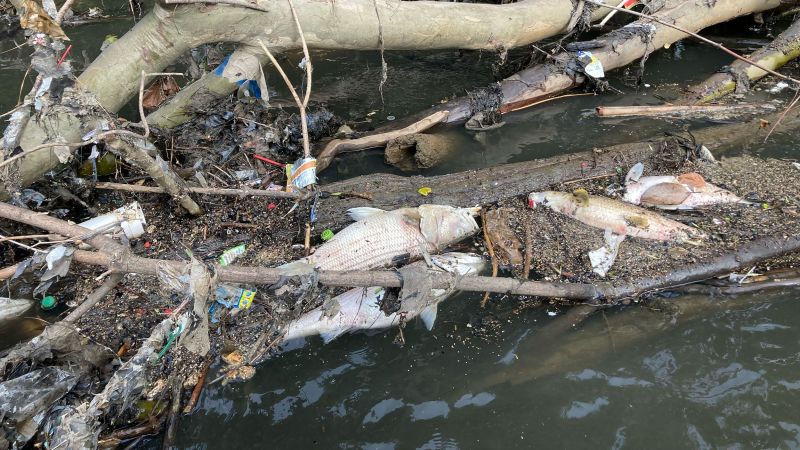
Atlanta metro downpour leads to massive – Environmental watchdog Chattahoochee Riverkeeper reported a significant fish die-off on the Chattahoochee River near Atlanta on Friday. The incident, which affected a roughly 20-mile stretch of the waterway, was identified by Jason Ulseth, the organization’s executive director, during a routine river patrol. Ulseth described the scene as one of devastation, with hundreds of fish—some reaching weights of 20 to 30 pounds—found in a state of decay along the western border of Fulton County.
The discovery came as part of Ulseth’s weekly inspections, which are standard practice for monitoring water quality and ecological health. He noted that the fish were not just scattered in the river but also lodged in debris, tangled in branches, and floating freely on the surface. Species such as spotted bass, catfish, carp, shad, and striped bass were among those impacted, with their bodies spread across the banks and submerged in the murky waters. Compounding the tragedy, an unidentifiable, black, odoriferous substance coated the riverbanks, raising concerns about potential contamination.
Ulseth attributed the event to an intense thunderstorm that swept through the Atlanta metro area earlier in the week. The storm unleashed three inches of rainfall per hour on Wednesday, triggering severe flash flooding and submerging streets in the region. This surge of water, though necessary for replenishing reservoirs, may have overwhelmed the Chattahoochee’s already strained ecosystem. “To see everything dead was just catastrophic,” Ulseth said, emphasizing the emotional toll of witnessing the mass mortality.
Urban Heat and Low Water Levels Exacerbate the Crisis
According to the City of Atlanta’s Department of Watershed Management, the river’s low flow levels prior to the storm likely intensified the impact of the sudden deluge. Prolonged drought had reduced the Chattahoochee’s volume, leaving little room to dilute the warmer runoff from urban areas. Lena Hardy, a spokesperson for the department, explained that the city’s infrastructure, designed to channel rainwater efficiently, may have heated the stormwater before it entered the river. “Once the heavy rainfall event hit the downtown urban core, the river had little buffer capacity to absorb nutrients and thermal loads,” Hardy said. This combination of factors, she added, could have created conditions that stressed aquatic life.
The stormwater’s elevated temperature, coupled with the timing of the rain, may have further disrupted the river’s natural balance. Hardy noted that urban streams, which typically flow more rapidly than the Chattahoochee, contributed to the surge. “The flow on the Chattahoochee was very low, while the urban streams were very high, flooding into the river,” she stated. This disparity, combined with the heat from asphalt and concrete surfaces, likely raised the overall water temperature, creating an inhospitable environment for fish.
Riverkeeper Blames Tunnel System and Sewage Discharge
While the City of Atlanta points to natural factors like drought and heat, Chattahoochee Riverkeeper argues that human activity also played a critical role. The organization cited a network of underground tunnels constructed to manage excess wastewater as a potential contributor. “At this time, we believe low flows in the river due to drought, massive polluted stormwater flows from Peachtree Creek, a discharge of untreated combined sewage from the city into Peachtree Creek, and additional treated discharges from wastewater facilities into the Chattahoochee River created the conditions for the fish kill,” the group stated in a Saturday press release.
Ulseth provided further evidence, pointing to the presence of human-made pollutants in the water. During his patrol, he found condoms, menstrual products, and wet wipes among the dead fish, which he described as a clear indicator of sewage contamination. “These items suggest that the river is being polluted by combined sewer overflows,” he said. Other debris, more consistent with stormwater runoff, also accumulated in the area, blending with the dead fish and creating a grim tableau.
The affected stretch of the river begins at an overflow structure linked to the tunnel system, according to Ulseth. This location, where treated and untreated wastewater mixes with stormwater, may have acted as a critical point of contamination. “The tunnel system drains into the river, and that’s where the dead fish were concentrated,” he explained. While the city maintains that the system operated as intended, it acknowledged that further analysis is required to confirm its role in the incident.
Ongoing Investigations and Historical Context
Authorities are still analyzing the situation to determine the exact causes. Preliminary water quality data from the City of Atlanta’s Department of Watershed Management indicated that the tunnel system functioned within permitted standards during the event. However, all laboratory tests remain pending, and the department is assessing whether the system’s discharge correlates with the fish kill. “The tunnel system operated as designed and within water quality standards,” Hardy said, though she conceded that the full impact of the discharge on the river’s health is yet to be evaluated.
Ulseth highlighted the long-standing issue of sewage contamination in the Chattahoochee River, noting that litigation over the problem has persisted since the 1990s. “The city has been addressing these concerns for decades, but the issue continues to resurface,” he said. The recent die-off, he argued, underscores the urgency of improving wastewater management and preventing future ecological damage. CNN also contacted the Georgia Environmental Protection Division and the Georgia Department of Natural Resources for additional insights, with the latter directing the media to the former for further details.
The combination of drought, urban runoff, and sewage discharge has created a perfect storm for the river’s ecosystem. As the city grapples with the aftermath, residents and environmentalists are calling for stricter regulations and greater transparency. “This is a wake-up call for how we’re managing our waterways,” Ulseth remarked, urging policymakers to prioritize the Chattahoochee’s health. The situation, he warned, could serve as a harbinger of more frequent environmental crises if current practices remain unchanged.
Environmental Implications and Public Response
Scientists and conservationists have expressed concern over the potential long-term effects of the die-off. While the immediate cause appears linked to the storm and its aftermath, the incident has reignited debates about the Chattahoochee’s ecological resilience. “This event highlights the fragility of the river’s ecosystem when faced with extreme weather and human activity,” said an environmental expert, who requested anonymity. The presence of pollutants in the water, along with the high temperature, may have created a toxic environment that disrupted the fish’s oxygen levels and metabolic processes.
Residents in
