
Young men storm a Congo hospital treating Ebola patients to demand bodies of their relatives
Young Men Storm Congo Hospital Over Ebola Bodies
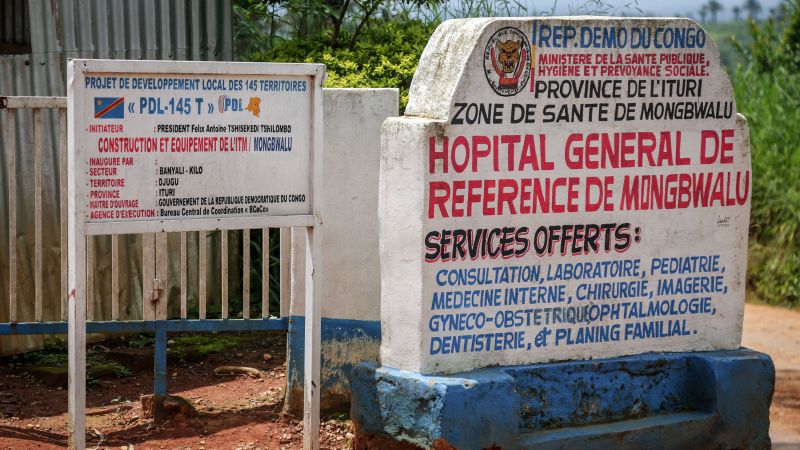
Young men storm a Congo hospital as tensions escalated in eastern Congo on Sunday evening, when a group of local residents forcibly breached the Mongbwalu General Hospital, where Ebola patients were being treated. The attack occurred amid rising concerns about the virus, with assailants demanding the return of two relatives’ bodies stored at the facility for examination. Gunfire was heard during the incident, prompting staff to quickly evacuate patients. Dr. Richard Lokudu, the hospital’s medical director, confirmed that the group sought to reclaim the remains of their loved ones, highlighting a clash between community fears and medical protocols.
Community Resistance Amid Ebola Crisis
The recent assault at Mongbwalu Hospital was the third such event in a week, signaling growing unrest among residents in Ituri province. Health authorities had implemented strict measures, including limiting funeral gatherings to 50 people, to curb the spread of the virus. However, these restrictions have fueled protests, with families arguing that they are being denied the chance to mourn their dead. Earlier, a tent used by Doctors Without Borders for treating suspected cases was also set ablaze, underscoring the deepening conflict between healthcare workers and local communities.
“The hospital is now on general alert,” said Dr. Richard Lokudu, who reported the attack. He noted that the assailants had specifically requested the bodies of their relatives, which were being kept for diagnostic purposes. Lokudu explained that the medical team had to secure the premises and ensure patient safety amid the chaos, emphasizing the challenges of maintaining trust in the face of fear and misinformation.
WHO Classification and Outbreak Dynamics
The World Health Organization (WHO) has classified the Ebola outbreak in Congo as a public health emergency of international concern, underscoring the need for swift action. Despite this, the virus continues to spread, with recent data showing a surge in suspected cases. As of Sunday, the Congolese Ministry of Communication reported 904 cases, up from 700, and 119 deaths, though regional figures indicated a total of 220 fatalities. The discrepancy has raised questions about the accuracy of reporting, adding to the complexity of managing the crisis.
Complicating containment efforts is the Bundibugyo strain of Ebola, which has been responsible for the current outbreak. This strain, less common than others, was only identified after initial tests for a more prevalent variant failed to detect the virus. The delay in recognition allowed the outbreak to progress unchecked, with the virus spreading through burial practices that keep it contagious even after death. This has intensified fears in the community, driving some to confront healthcare workers directly.
Volunteers and the Evolving Timeline
Three Red Cross volunteers were confirmed to have died from the outbreak in Mongbwalu, according to the International Federation of Red Cross and Red Crescent Societies. These individuals were handling dead bodies during a humanitarian mission unrelated to Ebola, suggesting the virus had been circulating for weeks before being officially recognized. This development has shifted the timeline of the outbreak, revealing that the strain was active earlier than previously believed and has now placed additional pressure on health organizations to improve safety and transparency.
As the situation intensifies, the impact on local populations remains profound. The attacks on healthcare facilities reflect a broader struggle between traditional practices and modern medical interventions, with communities feeling sidelined in the response. Efforts to manage the outbreak are now focusing on both containment and reassurance, as officials work to bridge the gap between public health measures and cultural sensitivities. The incident at Mongbwalu Hospital stands as a pivotal moment in this ongoing challenge, underscoring the urgency of finding a balanced approach to combat the virus while addressing community concerns.
