
Winning gold is ‘way less important than having a chance to save a life’: Michael Phelps on finding purpose beyond the pool
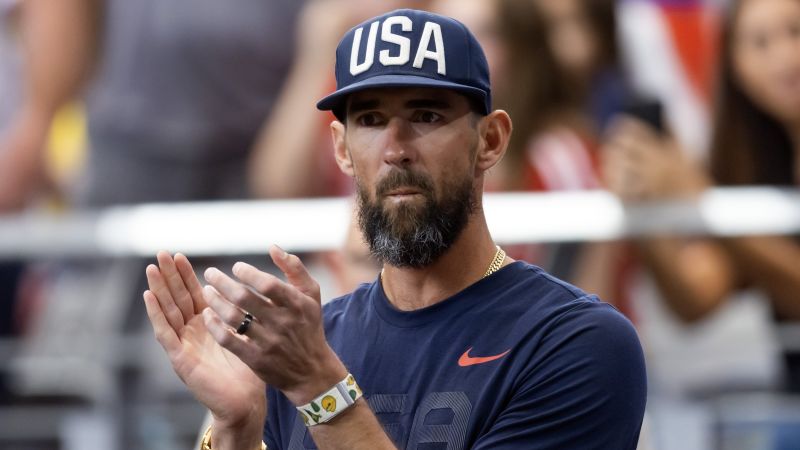
Winning gold is way less important than saving a life: Michael Phelps finds purpose beyond swimming
Winning gold is way less important – Michael Phelps, the legendary swimmer who once redefined Olympic excellence with 28 medals across four Games, now places greater emphasis on a different kind of achievement. Nearly a decade after his 2016 Rio triumph, the 40-year-old has shifted his focus from competitive success to advocating for mental wellness. His journey from a celebrated athlete to a dedicated spokesperson for emotional resilience highlights a profound transformation, where personal legacy is now intertwined with efforts to uplift others.
The 23-time Olympic gold medalist once epitomized the relentless pursuit of victory, but his post-retirement work has redefined his impact. The Michael Phelps Foundation, founded in 2008, initially prioritized water safety and healthy lifestyles, rooted in his childhood fears of the pool. However, as his perspective evolved, so did its mission. In 2020, the organization expanded to address emotional wellness, reflecting Phelps’ belief that mental health and physical performance are equally vital. “Winning gold is way less important than having a chance to save a life,” he told CNN Sports, underscoring the dual role of his advocacy.
A new mission
Phelps’ transition from athlete to mental health advocate was gradual. For nearly two decades, his life was dominated by the pool, a space where perfection and pressure were synonymous. Yet, after retiring in 2016, he found that the rewards of his career extended beyond medals. “Being able to merge mental health with swimming in my foundation gives me the purpose I needed,” he reflected. This realization has driven him to share his story globally, offering a lifeline to those grappling with unseen challenges.
His advocacy takes shape through partnerships and initiatives. In 2023, he collaborated with Talkspace to launch the “Start from the Top” campaign, promoting five pillars of mental wellness. By leveraging his platform, Phelps has made mental health discussions more accessible, bridging the gap between elite athletes and everyday individuals. “I’ve learned that the path to greatness is not just about perseverance, but also about vulnerability,” he explained, illustrating how emotional support can be as transformative as physical training.
Phelps’ personal journey has become a catalyst for change. A pivotal moment came during a casual conversation at Microsoft, where a young man expressed despair after achieving his dream job. “I have everything I’ve ever wanted, and I don’t want to be alive anymore,” the man said. Phelps’ response—“Bro, I hear you. I’ve had those thoughts before”—marked a turning point. This exchange reinforced his conviction that mental health advocacy can save lives, reinforcing his core message: the value of human connection often surpasses athletic glory.
Legacy in action
Today, the Michael Phelps Foundation stands as a testament to his evolving priorities. While water safety remains a cornerstone, its expanded focus on emotional resilience ensures children receive holistic support. Phelps’ efforts have not only addressed the psychological pressures of competition but also encouraged open dialogue in sports. “Winning gold is way less important than helping someone feel hope,” he stated, a philosophy that has resonated across continents.
Phelps’ commitment to mental health is evident in his keynote speeches and collaborations. By sharing his struggles with depression, he challenges the notion that athletes must always appear unshakable. His message has inspired a new generation to prioritize emotional wellness alongside physical achievement. “I was able to find that foundation to stand on,” he noted, emphasizing how vulnerability can be a source of strength. This shift in perspective has redefined his legacy, proving that purpose can flourish beyond the pool.
