
Gas and airfare prices have jumped. Americans are traveling this weekend anyway
Gas and Airfare Prices Have Jumped. Americans Are Traveling This Weekend Anyway
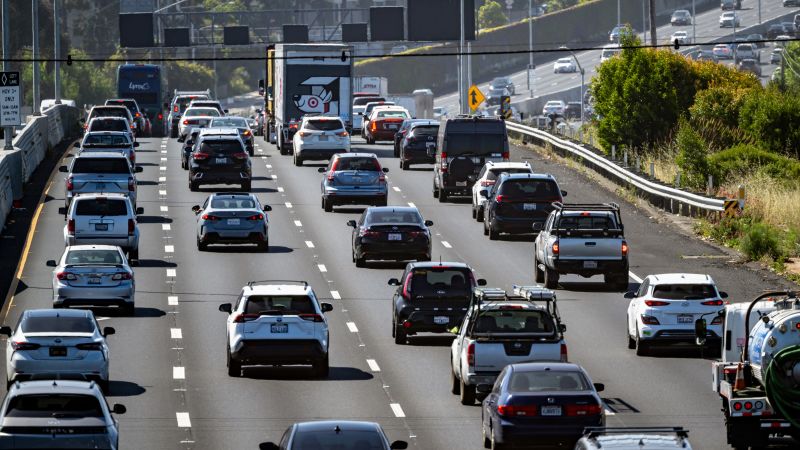
Gas and airfare prices have jumped – As the Memorial Day weekend approaches, Americans are filling up gas tanks and booking flights despite a significant rise in travel costs. The American Automobile Association (AAA) predicts that this year’s holiday will see a record number of travelers, with 45 million people expected to embark on trips of at least 50 miles from their homes. This figure slightly exceeds the previous year’s record of 44.8 million, showing that cost increases haven’t deterred the tradition of summer travel. Yet, with gas prices and airfares reaching higher levels than ever, the question remains: why are people still heading out?
James Smith, a traveler planning to fly from New Mexico to Newark, New Jersey, shared his perspective with CNN. “When it comes to travel, it’s one of the few things I’ll treat myself on,” he explained. Smith’s journey will cost $550, a price that reflects the current surge in airfare costs. According to data from Kayak and major airlines, ticket prices have climbed by over 20% compared to last year. Meanwhile, gas prices are also on the rise, with the national average hitting $4.55 per gallon as of the Friday before the weekend. This marks a $1.38 increase from the previous year and a 53% jump since the start of the Iran war. Even with these hikes, Americans are still choosing to travel.
Why Travelers Aren’t Cashing In
Adam Sacks, president of Tourism Economics, a consulting firm under Oxford Economics, noted that the continued demand for travel is not surprising. “Survey data shows people are concerned about gas prices, but there’s a gap between their worries and their actions,” he told CNN. Sacks pointed out that while fuel and airfare costs are a major issue, many Americans are prioritizing experiences over savings. This trend has been consistent historically, with gas price spikes rarely leading to a drop in travel unless other factors, like economic downturns or job market changes, also come into play. For instance, in 2022, when gas prices reached a peak, leisure and business travel only declined when combined with rising inflation and economic uncertainty.
One reason for this resilience is the demographic profile of travelers. Sacks highlighted that a majority of leisure hotel spending is concentrated among high-income earners, many of whom are less affected by the price surge. “People with higher incomes are more likely to book hotel stays, even if the cost is up,” he said. However, some lower-income travelers are adjusting their plans. Laura Lee Blake, CEO of the Asian American Hotel Owners Association, observed that certain segments of the market are shifting strategies. The association, which represents 20,000 members—predominantly of South Asian descent—controls approximately 60% of U.S. hotel properties. Blake noted that some travelers are opting to skip overnight stays to cut expenses. “They might visit family along the way or stay with friends instead of paying for a hotel room,” she explained.
Frantz Simon, a father of two, is one such traveler. He and his wife, Mildred, plan to drive 12 hours from Long Island to Georgia for his grandson’s high school graduation. “It’s a family outing we can’t miss,” Simon said. Despite the lengthy drive, he and his family are choosing to save money by traveling in a single day. “We’re staying with relatives in Georgia, which avoids the need for a hotel,” he added. This approach underscores the flexibility some travelers are adopting to manage costs without sacrificing their plans.
Adapting to Higher Costs
While some are cutting back on accommodations, others are leveraging rewards or incentives to offset rising prices. John Mercagliano, a Philadelphia resident, is using his American Airlines miles to fly to Arizona for a reunion with friends, rather than paying for a trip to London. “I considered skipping the vacation entirely, but I wanted to see them and avoid doing nothing at all,” he said. Mercagliano’s decision highlights how travelers are finding creative ways to balance budgets with the desire to connect with loved ones.
Connie Lear, a rental coordinator in June Lake, California, has noticed similar adjustments in her local market. Managing bookings for 42 units, mostly condos and private homes, she reported that many of her regular tenants are shortening their stays. “Instead of planning seven-day trips, they’re opting for five or four days,” she said. This trend could signal a shift in how people allocate their travel budgets, particularly as the cost of gas and airfares continues to climb. For Lear, the change reflects a broader pattern of travelers prioritizing essential expenses while still maintaining their travel habits.
Although the overall demand for travel remains strong, the market is showing signs of adaptation. The combination of higher prices and the need to manage budgets is forcing travelers to make trade-offs. For example, families are choosing road trips over flights, and individuals are using loyalty programs to avoid additional costs. These adjustments may not fully compensate for the price hikes, but they are helping to sustain the flow of travelers during the holiday. As the weekend unfolds, the resilience of American travel culture will be tested by the economic pressures of the moment.
Experts like Sacks caution that the situation is complex. “While gas prices are a key concern, they aren’t the sole factor driving travel decisions,” he said. The pandemic also played a role in shaping travel behavior, with many people now viewing trips as a way to reclaim lost time. Additionally, the seasonal demand for travel during Memorial Day means that even with higher costs, people are still flocking to highways and airports. This weekend’s data will provide insight into whether these trends hold, or if the cost pressure begins to show more significant effects. Regardless, the message is clear: for many Americans, the joy of travel outweighs the financial burden, even in the face of rising prices.
As the country braces for a busy weekend, the impact of the cost surge will be evident in the volume of cars on the road and planes in the sky. While some may reduce their spending on hotels or choose more affordable alternatives, the overall trend suggests that the desire to explore, reunite, and celebrate remains strong. The combination of affordability strategies, loyalty rewards, and the cultural significance of the holiday ensures that Americans will continue to travel, even as they navigate an increasingly expensive landscape.
In the end, the Memorial Day weekend serves as a barometer for how Americans respond to economic challenges. Despite the soaring prices, the decision to travel is a testament to the value people place on personal experiences and family time. As the data from AAA and Kayak continues to shape the narrative, it becomes clear
