
Atlanta, Houston join list of airports that can receive passengers from three countries amid Ebola outbreak
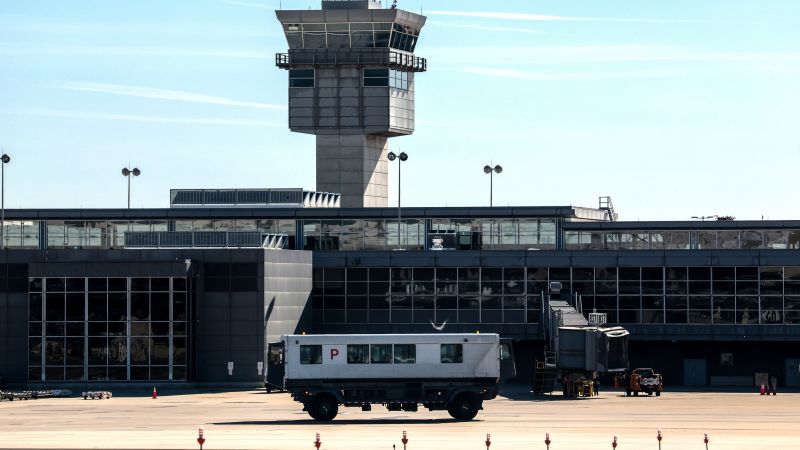
Atlanta and Houston Airports Now Eligible for Ebola Screening Amid Outbreak
Atlanta Houston join list of airports – As the Ebola virus spreads rapidly across regions, the U.S. government has broadened the scope of airports authorized to conduct health checks on incoming travelers from specific African countries. Effective from new dates, international flights arriving at Atlanta’s Hartsfield-Jackson International Airport and Houston’s George Bush Intercontinental Airport will now allow passengers who have visited the Democratic Republic of Congo, Uganda, or South Sudan within the last 21 days to undergo screenings. This change expands the list of designated airports, which previously included only Dulles International Airport near Washington, D.C.
The updated directives, announced by the U.S. Customs and Border Protection (CBP), specify that Atlanta’s airport will implement the new procedures for flights departing after 11:59 p.m. EDT on Friday, while Houston’s airport will begin them for departures after the same time on Tuesday. These adjustments are expected to ease travel bottlenecks during the upcoming FIFA World Cup matches, as Atlanta and Houston will host the DRC’s national soccer team. The decision aims to balance public health safeguards with the logistical needs of international events.
Screening Process and Public Health Measures
Travelers arriving from the three affected countries will be directed to a special area at the airports for assessment. There, they will be questioned about their travel history and any potential symptoms of Ebola, such as fever or fatigue. CDC staff will also conduct temperature checks and observe for signs of illness. Those without symptoms will receive guidance on monitoring their health and will be allowed to proceed to their destinations, with their contact details shared with local health authorities for follow-up.
For individuals exhibiting possible symptoms—like a high fever—the process becomes more intensive. They will be taken to a medical facility for isolation and testing. The CDC has emphasized that this approach is part of a broader strategy to minimize the risk of the virus entering the U.S. The agency’s layered measures include existing protocols to detect symptomatic travelers, combined with targeted screenings at these airports.
“Our top priority remains preventing Ebola from reaching the United States, but we also aim to support communities in the DRC and surrounding regions to curb its spread.”
Secretary of State Marco Rubio highlighted the dual objectives of the policy, stating that while the focus is on containment, efforts are also being made to assist affected populations. The CDC has further invoked Title 42, a public health law, which will remain in effect for at least 30 days starting Monday. This law permits expedited entry restrictions during disease outbreaks, allowing for quicker decisions on whether travelers should be allowed into the country.
Logistical Adjustments and Coordination Efforts
The Department of Homeland Security reported that CBP is working closely with airlines, international partners, and officials at entry points to streamline the screening process. This collaboration ensures that travelers from the DRC, Uganda, and South Sudan can be identified and managed efficiently. At least 10 CDC personnel are being deployed to Dulles to assist with these screenings, according to an internal source.
A recent incident involving an Air France flight illustrates the practical application of these measures. The flight, traveling from Paris’ Charles de Gaulle Airport to Detroit, was briefly rerouted to Montreal on Wednesday due to a Congolese passenger being denied entry to the U.S. The passenger had boarded the flight by mistake, and the decision to divert was made to prevent potential risk. CBP confirmed that the traveler was later cleared to return to Paris, with no significant disruptions to the rest of the journey.
“The traveler was assessed and determined to be asymptomatic. They have since departed back to Paris.”
Despite the added screenings, a Dulles Airport representative stated that the changes are unlikely to cause major delays for passengers. “The Airports Authority is collaborating with federal partners to ensure the process remains efficient,” the spokesperson noted. This reassurance comes as the U.S. prepares for increased international traffic, particularly during the World Cup events.
Global Response and Ongoing Vigilance
The CDC’s approach reflects a coordinated effort to address the outbreak. By combining on-site screenings with follow-up monitoring, the agency seeks to create a comprehensive defense against the virus. The emphasis on temperature checks and symptom observation underscores the importance of early detection in preventing widespread transmission.
Public health officials have also stressed the role of traveler awareness in this process. Information is being disseminated to individuals without symptoms, encouraging them to remain vigilant about their health and report any changes. This proactive strategy is intended to complement existing measures, such as quarantine protocols and travel advisories, to build a robust response system.
Implications for Travel and Public Health
While the expanded screening locations aim to reduce pressure on Dulles, the policy also highlights the U.S. government’s commitment to maintaining high health standards. The inclusion of Atlanta and Houston airports ensures that travelers can still access the country without unnecessary delays, provided they undergo the required checks. This balance between accessibility and safety is critical as the outbreak continues to evolve.
The CDC’s layered strategy includes not only airport screenings but also partnerships with local health departments to track and respond to potential cases. This system allows for real-time data sharing and rapid intervention if needed. The public health agency has also reiterated its focus on preventing the virus from establishing a foothold in the U.S., which remains a key concern during the outbreak.
As the Ebola situation progresses, the U.S. is positioning itself to adapt its measures based on new information. The revised protocols at Atlanta, Houston, and Dulles airports are part of this dynamic response, ensuring that the country can manage the risk while facilitating essential travel. With continued collaboration between federal and state authorities, the hope is to maintain both public health security and the flow of international movement.
Conclusion and Future Outlook
Experts suggest that the expanded screening program will play a vital role in containing the virus. While challenges may arise, the U.S. has taken proactive steps to identify and monitor at-risk travelers. The combination of on-site assessments, temperature checks, and follow-up procedures aims to create a multi-tiered defense against Ebola. As the outbreak persists, these measures will likely be adjusted to reflect the latest developments and ensure the effectiveness of the response.
The rollout of the new protocols demonstrates the U.S. government’s ability to respond swiftly to public health threats. By integrating technological advancements and international cooperation, the country is enhancing its capacity to detect and manage cases. This proactive stance not only protects domestic health but also reinforces the U.S. position as a global leader in pandemic preparedness.
With the added support of CDC personnel and the coordination of airlines, the screening process at these airports is expected to be thorough yet efficient. Travelers arriving from the DRC, Uganda, and South Sudan will now have multiple entry points to undergo evaluations, reducing the strain on any single airport. This initiative marks a significant step in the U.S. strategy to mitigate the spread of Ebola while maintaining the integrity of its transportation networks.
