
UK says Russia ran submarine operation over cables and pipelines
UK says Russia ran submarine operation over cables and pipelines
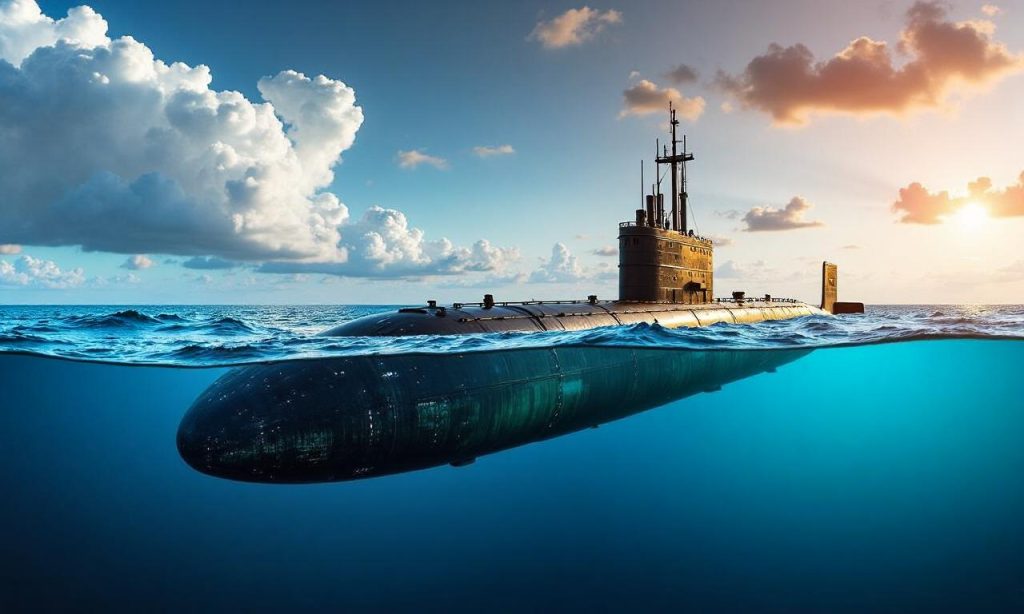
Defence Secretary John Healey claimed that three Russian submarines executed a covert mission targeting undersea cables and pipelines in the North Sea region. To counter this, the Royal Navy deployed a Type 23 frigate, HMS St Albans, and the RFA Tidespring vessel, supported by Merlin helicopters, to monitor the activity. Healey emphasized that no damage was inflicted on UK infrastructure during the operation.
“We see you. We see your activity over our cables and our pipelines, and you should know that any attempt to damage them will not be tolerated and will have serious consequences,” Healey stated at a Downing Street press conference.
The UK depends heavily on its undersea cables for data transmission and energy supply. Approximately 60 cables connect to the UK coast, with significant concentrations in East Anglia and South West England. Over 90% of the nation’s internet traffic travels via these cables, underscoring their strategic importance.
Healey revealed that Russia used an Akula-class submarine as a distraction while two Guggi-class vessels conducted surveillance. The first Akula left UK waters promptly, but the two Guggi submarines stayed to complete their mission. The Royal Navy’s efforts included sonar buoys to track the submarines continuously, exposing their movements to Moscow.
“Our armed forces left [Russia] in no doubt that they were being monitored, that their movements were not covert, as President Putin planned, and that their attempted secret operation had been exposed,” Healey added.
He also argued that Russia aims to exploit global attention on the Middle East conflict to advance its “hybrid warfare” strategy against the UK and Western Europe. This tactic, designed to punish or deter continued military backing for Ukraine, involves anonymous attacks that avoid direct attribution.
Underwater cables and pipelines form a vital global infrastructure network. Over 600 undersea cables span 870,000 miles (1.4 million km) to link continents, often anchored at discreet locations. The UK’s energy network relies on a system of subsea gas pipelines, primarily in the North Sea, delivering essential resources from the UK and Norwegian Continental Shelves. The Langeled pipeline, stretching 724 miles (1,166 km) between Norway and the UK, is a key link for 77% of the country’s gas imports.
The Russian embassy has previously denied interest in British underwater communications, despite evidence of its covert operations. Healey asserted that Russia remains the primary threat to UK security, emphasizing the nation’s preparedness to track and reveal future actions.
