
Why a delayed Xi-Trump summit could give China a stronger hand
Why a Delayed Xi-Trump Summit Could Give China a Stronger Hand
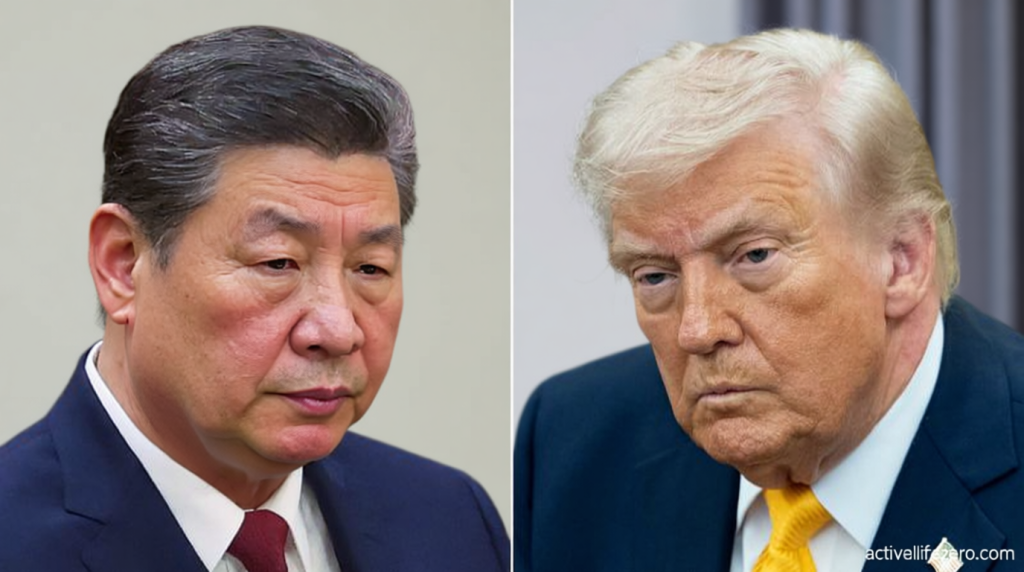
Donald Trump’s decision to postpone a crucial meeting with Chinese President Xi Jinping might unexpectedly advantage Beijing, according to sources within the Chinese government. The delay could allow both nations to avoid immediate pressures tied to the U.S. conflict with Iran, a key strategic ally in the Middle East. If the war continues to escalate, potentially disrupting oil supplies and global economic stability, it could weaken Trump’s position during negotiations, analysts suggest.
Beijing has not officially confirmed the highly anticipated summit, which was initially set for March 31 to April 2. The White House announced the proposed “5-to-6 week” delay, but the Chinese side has remained cautious in its response, maintaining a neutral tone. Chinese Foreign Ministry spokesperson Lin Jian emphasized the “irreplaceable” role of leader summits in shaping bilateral ties, though behind-the-scenes discussions hint at uncertainty.
Strategic Implications of the Delay
Some Chinese officials believe the delay provides them with strategic leverage. “The longer the war drags on, the more frustrated Trump becomes, and his weakness becomes evident,” said Wu Xinbo, a professor at Fudan University and advisor to China’s Foreign Ministry. “We will see if Trump still holds strong cards by then—waiting is better than acting too quickly.”
“If the war in Iran leads to serious casualties among Chinese citizens or damages key assets in the region, Trump may not proceed with the summit,” added Wu, reflecting Beijing’s underlying concerns.
Experts note that Trump’s request for a postponement likely signals his administration’s anticipation of prolonged conflict. The delay may also reflect Beijing’s desire to secure a more favorable bargaining position, especially as the U.S. faces domestic challenges. Following the Supreme Court’s February ruling that overturned his emergency tariffs, Trump’s authority has been questioned, and the Iran war has further complicated his political standing.
Global Perceptions and Political Opportunities
China is leveraging the war to enhance its image as a stable alternative to the U.S. on the world stage. “Many nations now view China as a more reliable partner than the U.S.,” said Rana Mitter of Harvard Kennedy School. “This shift in perception is a strategic win for Beijing, especially ahead of the summit.”
“Changes in the U.S. have made people see China as a more dependable leader, even if that perception isn’t fully justified,” Mitter explained.
Despite possible economic fallout from the war, China sees political gains. The summit is viewed as a pivotal moment to realign the U.S.-China relationship, but its success hinges on Trump’s ability to navigate the crisis without further damaging his leverage. Beijing’s careful approach underscores its readiness to capitalize on any opportunity to assert influence.
