
Russian gas tanker drifting in the Mediterranean may explode, threatening environmental disaster
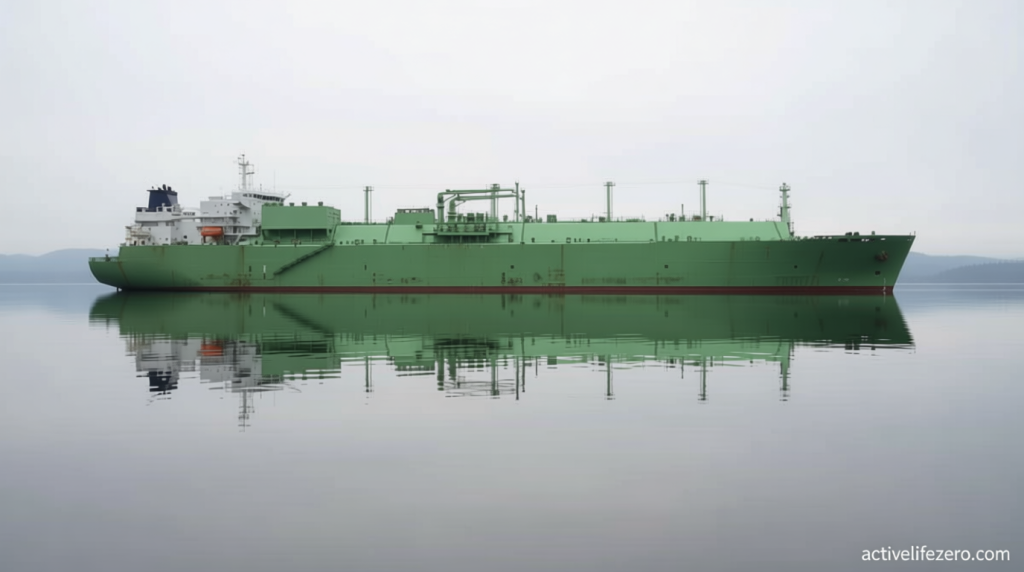
Russian Gas Tanker Drifting in the Mediterranean May Explode, Threatening Environmental Disaster
A massive Russian gas tanker, the Arctic Metagaz, has been adrift in the Mediterranean Sea for over a fortnight, raising concerns about its potential to explode. The vessel, part of a sanctioned “shadow fleet,” suffered a series of explosions that left it unstable and moving aimlessly. Coastal nations and environmental groups are increasingly worried as the ship continues its uncontrolled journey through international waters.
Attack Claims and Unconfirmed Responses
Russian officials assert that the Arctic Metagaz was struck by Ukrainian maritime drones, sparking the explosions. However, Kyiv has yet to confirm or deny these allegations. Aerial images from after the incident reveal a gaping rupture, several dozen meters wide, near the waterline. The severity of the damage led Libyan authorities to incorrectly classify the ship as a wreck on 4 March.
Disaster Risk and Fuel Leaks
The 277-meter-long tanker, now with a charred hull, lost control on 3 March, forcing 30 crew members—mostly Russian and Filipino nationals—to flee. Despite the evacuation, residual fuel oil, diesel, and natural gas remain in the ship’s tanks, amplifying the danger of a catastrophic event. Reports indicate ongoing gas emissions, rolling instability, and localized fires within the ship’s compartments.
Environmental and Political Implications
Environmental advocates have called the Arctic Metagaz a “floating time bomb,” warning that a rupture or explosion could devastate the Mediterranean’s ecologically rich regions. Experts stress that the damaged hull and ongoing internal reactions render the situation highly unpredictable. The World Wide Fund (WWF) highlighted that contamination risks might affect the environment for years to come.
International Concern and Responsibility Debate
European nations, including Italy, France, and seven other EU states, have jointly urged the European Commission to address the “immediate and serious danger” posed by the drifting ship. The Arctic Metagaz is currently located approximately 50 nautical miles southwest of Malta, drifting between Malta and the Italian islands of Lampedusa and Linosa. This complicates the question of who should lead efforts to prevent a disaster.
“Moscow maintains control over the situation as the flag state,” said Russian Foreign Ministry spokeswoman Maria Zakharova. “However, international standards place the duty of averting environmental harm on coastal nations.”
While diplomatic discussions continue over responsibility, the Arctic Metagaz remains afloat, with the threat of a major incident persisting. Rescue teams are stationed in Malta, prepared to act if the vessel approaches the country’s territorial waters. The race to contain the crisis is ongoing, as the Mediterranean braces for possible ecological upheaval.
