
Police to use Thames to separate protesters at Al Quds protest
Police to use Thames to separate protesters at Al Quds protest
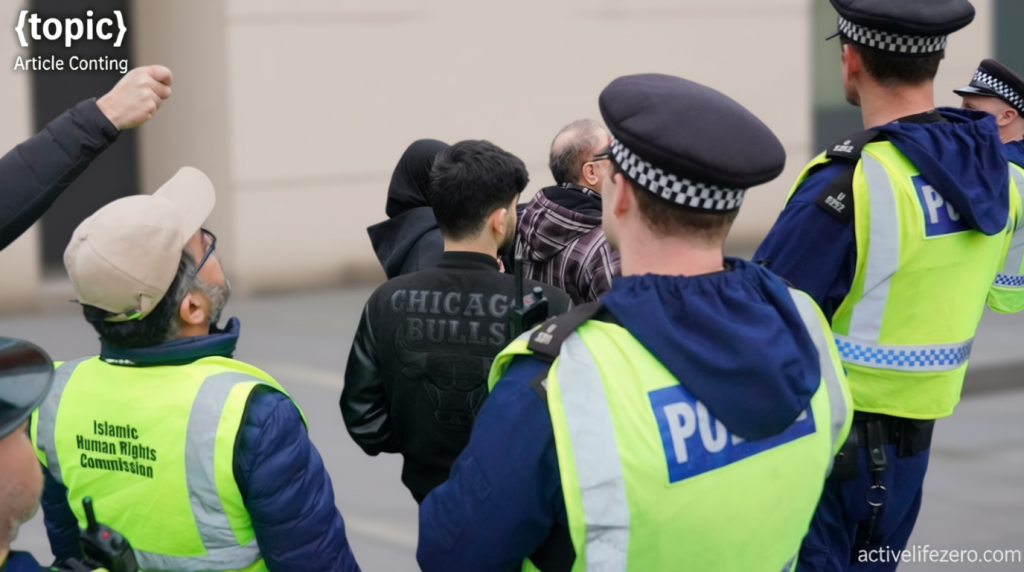
The Metropolitan Police have announced plans to deploy the River Thames as a divider between demonstrators and opposing groups during the Al Quds Day rally in central London on Sunday. This strategy aims to manage the anticipated crowd dynamics and ensure order amid heightened tensions.
March Banned Over Public Disorder Concerns
A planned demonstration heading to the Home Office was halted earlier this week following approval from Home Secretary Shabana Mahmood. The decision came after the police requested the ban to mitigate the risk of serious public disorder.
The Islamic Human Rights Commission (IHRC), which organized the event, claimed the rally would be held as a peaceful, static protest. They argued that the ban represented a “politically charged decision” and emphasized the event’s pro-Palestinian focus.
The Met described the organisers as “supportive of the Iranian regime,” marking the first time a protest march has been restricted by the police in 14 years.
Strategic Measures to Contain Crowds
Assistant Commissioner Ade Adelekan outlined the use of the Thames as a “new bespoke tactic” during a Thursday briefing. This approach is tailored to address the “unique set of circumstances” posed by the Al Quds rally, which is expected to draw at least 6,000 participants.
Additional counter-protesters may number up to 6,000, with warnings of “significantly more” attendees due to the volatile regional context. The event will see Lambeth and Vauxhall Bridges closed to all traffic, except emergency vehicles, to control movement.
Over 1,000 officers, including community policing teams, are set to monitor the gathering. Enhanced patrols will also cover other “vulnerable places” in London, particularly areas with substantial Jewish populations.
Enforcing Order and Addressing Hate Crime
Officers will be instructed to act decisively, targeting placards, flags, and chants as part of their coordination. The assistant commissioner stressed a “zero tolerance approach” to hate crime, with arrests planned for individuals promoting proscribed organizations.
Despite these measures, Adelekan acknowledged that the ban and policing actions “doesn’t completely remove risk of disorder,” but they will “immeasurably easier to police” the event. The strategy builds on intelligence assessments of the rally’s historical context, community tensions, and other factors.
The tradition of Al Quds Day began after the 1979 Iranian Revolution and typically occurs on the final Friday of Ramadan. Global marches are held to show solidarity with Palestine, a stance the IHRC describes as central to the event’s purpose.
