
Israel’s closure of Al-Aqsa Mosque is an act of war
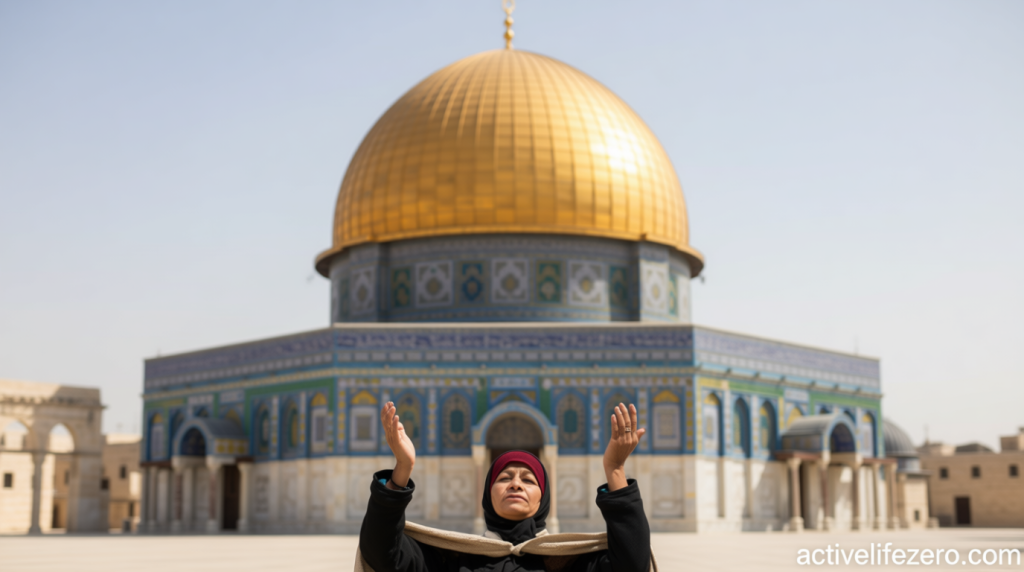
Israeli Closure of Al-Aqsa Mosque Seen as War Move
Just days after the US-Israeli strike on Iran, Israeli forces closed two prominent Palestinian holy sites: the Ibrahimi Mosque in Hebron and the Al-Aqsa Mosque in East Jerusalem. Occupying authorities evicted worshippers and framed the closures as wartime “preventive actions.”
Refuge Crisis in Palestinian Territories
In the occupied West Bank and East Jerusalem, many Palestinian households lack bomb shelters. Statistics from Israel’s state comptroller reveal that nearly half of the population in these areas has no safe space to flee air strikes, underscoring the vulnerability of civilians during conflict.
“According to figures from Israel’s own state comptroller, around half of the population in the 1948 territories has no refuge from aerial attacks.”
By restricting access to mosques and confining worshippers to their homes, markets, and workplaces, Israeli authorities claim to enhance security. Yet, this approach fails to shield Palestinians effectively. Critics argue that such measures are a calculated move, not genuine concern for safety, especially amid the ongoing genocide in Gaza.
Religious Replacement Agenda
The closures reflect a broader strategy by Israel’s Zionist leadership to reframe religious sites. Religious Zionists, now dominant in Israeli society, view the Al-Aqsa complex as the Temple Mount, a term that erases its Islamic identity. Similarly, the Ibrahimi Mosque is labeled the Cave of the Patriarchs, another symbolic shift.
This renaming effort aims to consolidate Israeli control over sacred spaces. By positioning themselves as the sole decision-makers for access, authorities weaken the Islamic waqf’s authority, reducing it to a passive entity.
Strategic Objectives of the Closures
Israeli actions target two goals: reinforcing territorial claims and testing the logistics of long-term occupation. Closing the mosques during Ramadan, a time of heightened spiritual significance, serves as a trial run for future restrictions. The same mechanism could be applied to seize control of the sites permanently.
Historically, Israel has sought to diminish the waqf’s role. In 2017, after a deadly attack on Israelis at the Lion’s Gate, the mosque was shuttered for weeks, despite public backlash that eventually forced its reopening. A similar pattern emerged in 2020, when the complex was closed during the pandemic, even as social distancing was feasible.
Escalating Aggression During Ramadan
This year, Ramadan has seen intensified Israeli incursions. Authorities have reportedly barred some guards from working and halted supply deliveries, disrupting daily operations. Initially, entry to Friday prayers was capped at 10,000 worshippers, with restrictions based on age and gender.
“Entry was limited to men aged 55 and over, women 50 and over, and children under 12 accompanied by a relative, under a ‘security’ pretext.”
Ritual animal slaughter at Al-Aqsa for Passover has also been proposed, signaling a deliberate effort to erode the mosque’s status as a purely Islamic sanctuary. These actions mark a shift from symbolic control to tangible dominance, setting the stage for broader occupation tactics.
The repeated closures during Ramadan highlight a pattern. What is imposed during this sacred month, critics argue, opens the door to even harsher measures in the future. As the conflict with Iran continues, the stage is set for prolonged control of the holy sites, deepening the occupation’s grip on Palestinian life.
