
Iran names slain supreme leader’s son as successor, in a defiant message to Trump
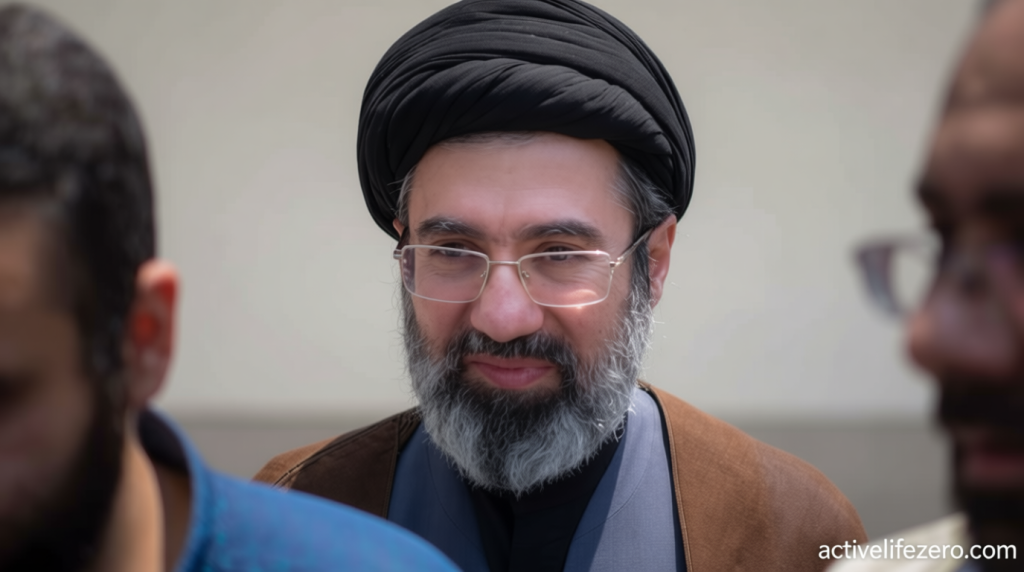
Iran names slain supreme leader’s son as successor, in a defiant message to Trump
In 1979, millions of Iranians flooded the streets to overthrow the former shah, signaling an end to hereditary rule. Yet, the tradition of power passing from father to son has persisted. Mojtaba Khamenei, the second son of the late Supreme Leader Ali Khamenei, was appointed to the role his father occupied for nearly four decades, following the US-Israeli strikes that ended his life.
Reinforcing the hardline legacy
The 88-member Assembly of Experts, a key institution in Iran’s Islamic governance, fulfilled a role many Iranians had hoped to avoid: transforming the country into a dynastic system. The decision to appoint Mojtaba was seen as a bold statement, challenging Western influence. This move appeared to send a clear message of resistance against US President Donald Trump’s label of “unacceptable” for the new leader.
“Mojtaba may you die so you don’t assume the leadership role.”
State media swiftly launched a campaign to solidify Mojtaba’s image. Within hours of his selection, a four-minute documentary highlighted his humble beginnings, seminary education, and his early involvement in the Iran-Iraq war as a 17-year-old combatant. The film emphasized his suitability to lead, countering concerns about his scholarly background by showcasing his ties to the regime’s military and political networks.
Mojtaba Khamenei, born in 1969, underwent religious training similar to his siblings. However, he never attained the rank of Mujtahid, a title often deemed vital for supreme leadership. His wife, Zahra, is the daughter of Gholam Haddad Adel, a former parliament speaker and close ally of Ali Khamenei. Despite his low public profile, Mojtaba has long operated behind the scenes, steering the machinery of his father’s administration.
His influence became evident in 2005, when he was linked to the campaign that secured the presidency for Mahmoud Ahmadinejad. The IRGC’s networks were reportedly mobilized to support the then-Tehran mayor’s bid against Akbar Hashemi Rafsanjani, a rival of the Khamenei family. By 2009, as mass protests erupted over Ahmadinejad’s re-election, Mojtaba’s role in maintaining the status quo was undeniable. The demonstrations were crushed with force, underscoring his political acumen and the regime’s resilience.
In 2019, Mojtaba faced US sanctions for his close collaboration with the Revolutionary Guards’ commander. The Treasury accused him of advancing his father’s “destabilizing regional ambitions and oppressive domestic objectives.” Yet, the recent appointment marks a new chapter, with the younger Khamenei now at the center of Iran’s leadership. The regime’s supporters see him as a continuation of the hardline path, ensuring stability amid external pressures.
