
Iceland to hold referendum on resuming EU membership bid
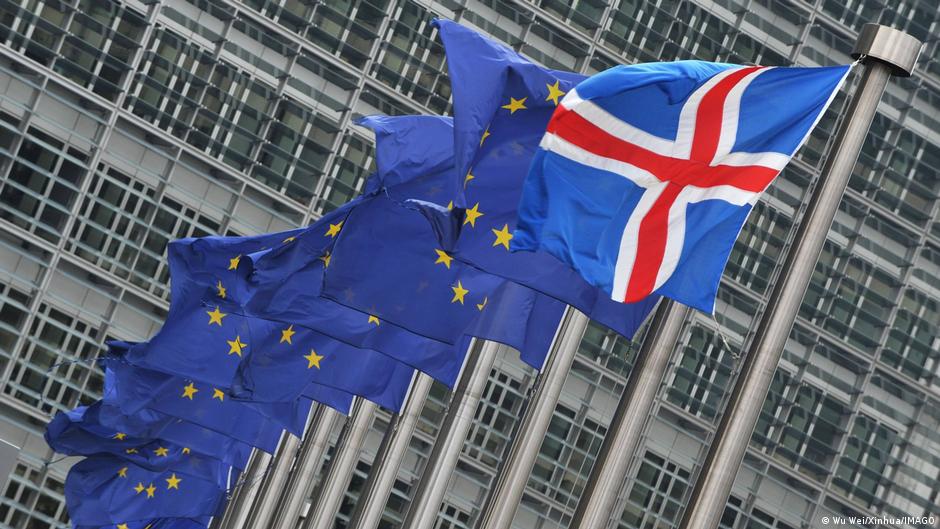
Iceland to hold referendum on resuming EU membership bid
Iceland’s administration has announced that a referendum on restarting EU membership negotiations will take place in August. The nation paused its EU membership discussions in 2013, but recent developments have reignited interest in the proposal. These include escalating living expenses, the ongoing conflict in Ukraine, and the influence of US foreign policy. The decision to hold the vote on August 29 was approved by the Cabinet on Friday, with the foreign ministry confirming it will occur slightly earlier than initially scheduled.
The initiative, championed by Prime Minister Kristrun Frostadottir’s center-left coalition, requires parliamentary approval before the referendum can proceed. The government plans to submit the proposal to the Althingi, Iceland’s legislative body, early next week. If the August vote passes, the next phase would involve a final decision on EU membership, potentially leading to a second referendum. However, a failure in this initial ballot would end the discussion permanently, according to officials.
Public Sentiment and Geopolitical Context
According to a recent Gallup survey, 57% of Icelanders support restarting EU membership talks, while 30% remain opposed. This shift in opinion is tied to growing concerns over economic pressures and the region’s strategic importance. The war in Ukraine and the US’s potential expansion into Greenland have heightened anxieties about stability in the Arctic, influencing public sentiment.
“The geopolitical context is fundamentally different today than when Iceland first applied for membership,” said EU Enlargement Commissioner Marta Kos in a post on X. “In a world of competing spheres of influence, EU membership offers an anchor into a bloc grounded in values, prosperity and security.”
Prime Minister Frostadottir emphasized that Reykjavik’s position in EU talks is strong, positioning the nation as a dependable ally within the bloc. Despite decades of European integration, opposition persists, particularly among sectors wary of potential economic impacts. Farmers and fishing industry stakeholders fear that EU regulations might reduce access to Iceland’s lucrative North Atlantic waters.
Historical and Current Framework
Iceland, with a population of roughly 400,000, operates within the European Economic Area (EEA) and participates in the Schengen visa-free travel zone. It is also the smallest NATO member, relying on the alliance for security. The country’s initial bid for EU membership began in 2009, following the financial crisis that crippled its investment-banking sector. Four years later, a then-populist government withdrew the application.
EU membership involves a multiyear process overseen by the European Commission. Applicants must meet 35 criteria, spanning areas like financial systems, transportation, and cultural freedoms. All 27 current members must agree unanimously. If successful, Iceland would gain direct representation in EU institutions such as the European Parliament and the Council of Ministers.
With the new government’s promise to hold a referendum by 2027, the urgency has intensified. US President Donald Trump’s threats to annex Greenland and his mix-up between Iceland and Greenland at the World Economic Forum in Davos have reinforced the push for closer ties with Brussels. The referendum represents a critical step in Iceland’s evolving relationship with the EU and its broader strategic goals.
