
French blockade looms over Commission’s plan to fast-track trade deals in English
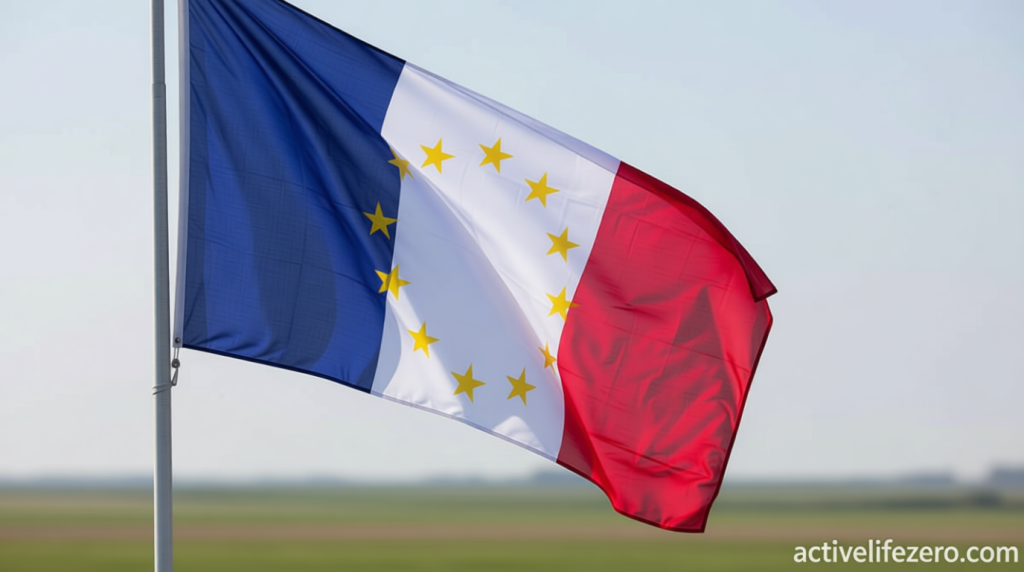
French Blockade Threatens Commission’s English-Only Trade Ratification Push
French officials are expected to challenge a European Commission strategy that aims to streamline trade agreement approvals by presenting documents in English during negotiations with EU member states and lawmakers. This approach would omit translations into the 24 official languages of the bloc, according to multiple reports. The proposal follows a prolonged delay in finalizing the EU–Mercosur trade deal, which has strained the Commission’s efforts to secure new market access amid global political uncertainties.
Ratification processes often require extensive legal review across all EU languages, a task that can stretch for months. The Commission has acknowledged this challenge, with trade chief Maroš Šefčovič suggesting the India trade pact, concluded in early January, could serve as a pilot for using English as the dominant language during ratification. “We lost nearly €300 billion in GDP and over €200 billion in export potential since 2021 due to the absence of the Mercosur agreement,” Šefčovič stated after a meeting with ministers in February. He warned that finalizing a deal could take up to 2.5 years before businesses gain full operational access in partner nations.
“In today’s fast-paced environment, we cannot afford to waste time,” Šefčovič added, highlighting the urgency of accelerating trade agreements.
Despite the Commission’s plan to translate agreements into all 24 EU languages after publication in the Official Journal, France remains steadfast in its opposition. At least seven member states reportedly endorsed the proposal during discussions, though not all had the chance to voice their views. French sources emphasize that their resistance is rooted in a commitment to linguistic diversity, with one official stressing, “We defend the use of all Union languages, particularly French, which holds a privileged status in EU institutions.”
The decline of French in EU administrative settings has fueled concerns about its diminishing role. English has increasingly dominated institutional communication, even as French, German, and English are formally recognized as working languages. “Shifting entirely to English raises both legal and democratic concerns,” an EU diplomat noted, adding that the Commission is aware of these risks. The European Commission itself underscores the importance of multilingualism, though it has since removed the former commissioner dedicated to this cause.
“I believe the Commission is seizing this moment to promote English as the superior language, treating others as secondary,” said Michele Gazzola, a language policy expert. “This could create issues for the European Parliament and national legislatures, especially regarding clarity and understanding.”
