
Slow genocide: Death and displacement continue in Gaza months into ceasefire
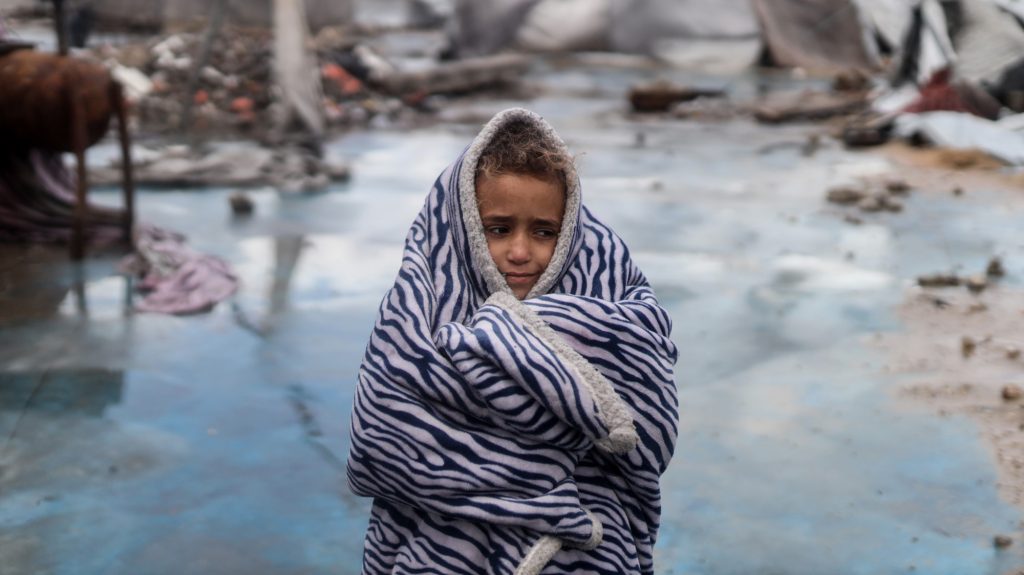
Slow Genocide: Death and Displacement Continue in Gaza Months Into Ceasefire
The ongoing conflict has reduced the intensity of aerial attacks, yet the devastation lingers in Gaza’s medical facilities. For Najat Sayed al-Hessi, a 61-year-old resident, the pause in warfare hasn’t halted her battle with cancer. She has endured 27 months without access to essential treatments, her condition worsening by the day.
“Nothing has changed for cancer patients in Gaza since the ceasefire,” said al-Hessi, who remains confined to a temporary shelter in Deir al-Balah. “I had an appointment to travel to Ramallah for my medication and injection on 7 October 2023, the day the war began. I couldn’t go, and I’ve been waiting ever since.”
Medical referrals for care beyond Gaza’s borders have ceased entirely, leaving hospitals unable to deliver basic therapies. Al-Hessi’s case exemplifies a broader crisis, with nearly two million people enduring dire living conditions three months after the truce was declared.
Over two years of Israeli bombardment, Gaza’s civilian infrastructure and healthcare system have been crippled. While hopes for recovery grew with the October ceasefire, restrictions on border crossings and supplies have kept the situation from improving. Residents now describe the shift as a transition from rapid destruction to a slower, persistent form of suffering.
Health System in Crisis
The Palestinian health ministry reported critical shortages in Gaza’s medical resources, citing 56 percent of essential drugs, 68 percent of consumables, and 67 percent of laboratory supplies as unavailable by November. Screening services, which once tracked patient progress, have also disappeared, leaving many unaware of their disease’s spread.
“The last time I saw a doctor, he told me the cancer may have reached my lungs. I am dying slowly,” al-Hessi said, her voice heavy with resignation.
Dr. Muhammad Abunada, director of Gaza’s Cancer Centre, noted a 70 percent shortfall in life-saving medications and painkillers. “The drugs that remain are largely ineffective because patients need combinations of treatments, but only one or two are accessible,” he explained. Death rates among cancer patients have surged, with two or three fatalities recorded daily—a stark contrast to the pre-war average of one per day.
Newborn Mortality Soars
Research reveals that mortality rates have risen across all demographics, not just cancer patients. Unicef data shows a 75 percent increase in newborn deaths at birth during the war’s final three months. Even now, with the ceasefire in effect, the toll continues: 47 infants died monthly between July and September, doubling the 2022 average of 27.
Though combat has eased, Israeli shelling and gunfire remain constant. Families face threats of displacement, with homes lost to ongoing military operations and land annexation. “We are still living under the same threats and circumstances, only with less noise,” a resident remarked, underscoring the unrelenting nature of the crisis.
