
Trend in Mobile Technology Shaping the Future
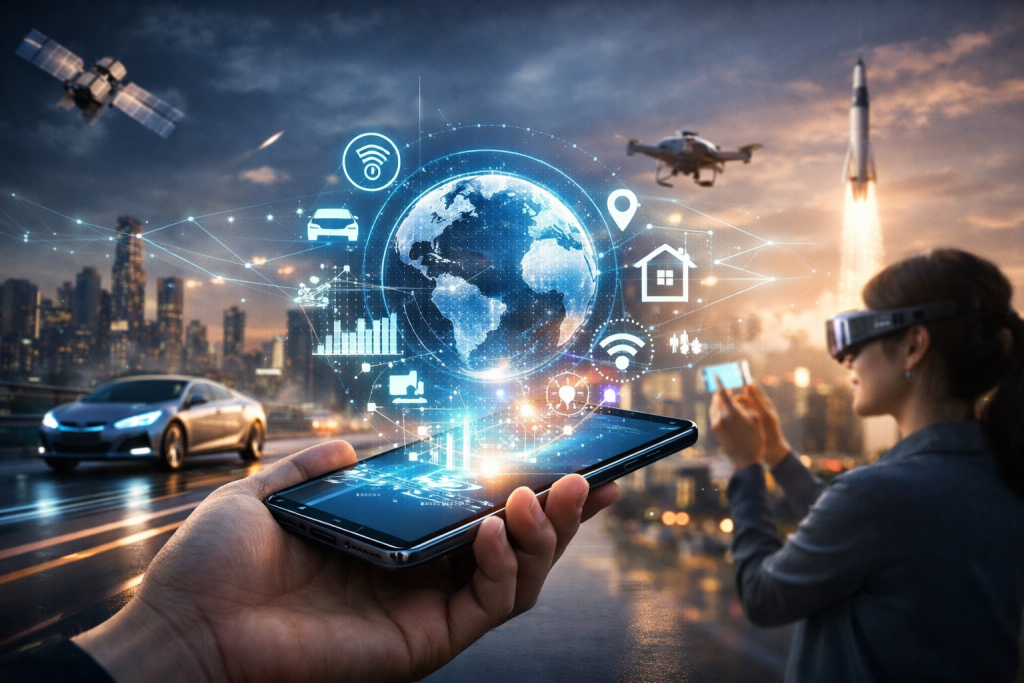
Mobile technology continues to evolve at a pace that reshapes how individuals communicate, work, shop, and access information. The trend in mobile technology is no longer limited to faster devices or larger screens; it now includes artificial intelligence integration, advanced connectivity, security innovations, and immersive digital experiences. Understanding these developments is essential for businesses, developers, and consumers who rely on mobile ecosystems. This article explains the most influential shifts currently defining the direction of mobile innovation and how they are shaping the future.
The Rise of Artificial Intelligence in Mobile Devices
Artificial intelligence has become a core driver behind every major trend in mobile technology. Modern smartphones now integrate AI-powered processors that handle voice recognition, predictive text, image processing, and real-time translation without relying heavily on cloud servers. This on-device intelligence reduces latency and improves privacy.
Personalization has significantly improved due to machine learning algorithms. Mobile apps analyze usage patterns to recommend content, optimize battery consumption, and adjust performance automatically. Virtual assistants are also evolving into proactive digital agents capable of scheduling tasks, summarizing messages, and automating workflows.
AI in mobile photography has transformed camera systems into computational engines. Features like night mode, portrait enhancement, and object recognition rely on AI to deliver professional-grade results. As AI chips become more efficient, mobile devices will increasingly perform tasks once limited to high-performance computers.
5G and the Expansion Toward 6G Connectivity
Connectivity remains one of the most defining elements in any discussion about the trend in mobile technology. The widespread adoption of 5G networks has dramatically reduced latency while increasing bandwidth capacity. This enables smoother video streaming, cloud gaming, and real-time collaboration tools on mobile devices.
5G also supports the growth of the Internet of Things (IoT) by allowing more devices to communicate simultaneously with minimal delay. Smart homes, connected vehicles, and wearable technology rely on stable mobile networks to function efficiently. Mobile devices are becoming central control hubs in this interconnected ecosystem.
Research into 6G technology is already underway, promising even faster speeds and near-instant data transmission. While still in development, 6G is expected to enable advanced applications such as holographic communication and highly immersive virtual environments. Connectivity will continue to define the structural foundation of future mobile systems.
Foldable Devices and New Hardware Innovation
Hardware design is undergoing a significant transformation. One visible trend in mobile technology is the development of foldable and flexible displays. These devices merge portability with expanded screen real estate, allowing users to switch between smartphone and tablet modes seamlessly.
Advancements in materials science have enabled more durable hinges and flexible OLED panels. Manufacturers are also investing in lightweight designs and stronger glass alternatives to enhance reliability. As production costs decline, foldable devices are becoming more accessible to mainstream consumers.
Battery technology is another area of rapid progress. Fast-charging capabilities, improved lithium-ion efficiency, and research into solid-state batteries aim to extend usage time without increasing device size. Hardware evolution is focused on delivering performance without compromising mobility.
Augmented Reality and Immersive Experiences
Augmented reality (AR) is moving from experimental novelty to practical implementation. The trend in mobile technology now includes AR applications for retail, navigation, gaming, and education. Users can visualize furniture in their homes, access interactive maps, or engage in location-based gaming through their smartphones.
Mobile processors are now powerful enough to support real-time rendering and environmental mapping. AR frameworks allow developers to create immersive applications without specialized hardware. This has accelerated adoption across multiple industries.
The integration of AR with wearable devices such as smart glasses suggests a shift toward spatial computing. Mobile devices may soon serve as processing hubs for lightweight wearables, blending digital information directly into the physical world. Immersive computing is becoming a central pillar of mobile evolution.
Mobile Security and Privacy Enhancement
As mobile usage expands, security has become a priority in every major trend in mobile technology. Biometric authentication methods such as facial recognition and fingerprint scanning are now standard. These technologies enhance convenience while reducing reliance on traditional passwords.
End-to-end encryption in messaging and secure mobile payment systems have strengthened digital trust. Mobile wallets and contactless payment methods depend on secure authentication layers to prevent fraud. As financial transactions increasingly shift to smartphones, robust security protocols are critical.
Operating systems are also implementing stronger privacy controls. Users can now manage app permissions more precisely and monitor background data usage. Security innovations ensure that mobile convenience does not compromise data protection.
Cloud Integration and Edge Computing
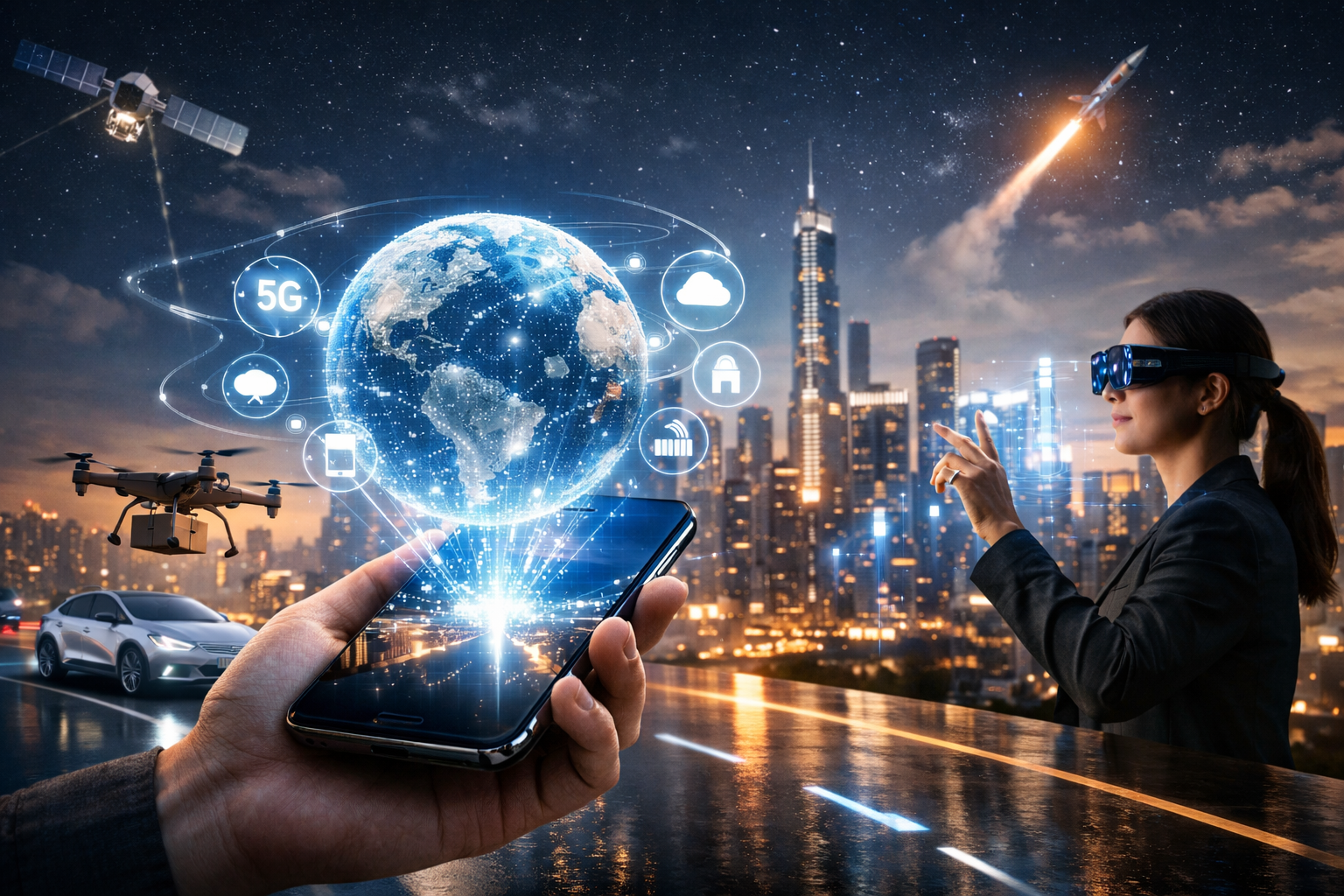
Cloud computing continues to shape the trend in mobile technology by expanding device capabilities beyond local hardware limitations. Many applications now rely on cloud-based processing for data storage, synchronization, and analytics. This allows users to access information seamlessly across devices.
Edge computing complements cloud infrastructure by processing data closer to the user. This reduces latency for real-time applications such as gaming, video conferencing, and industrial monitoring. Mobile networks combined with edge computing enhance responsiveness and efficiency.
Hybrid cloud-edge systems create a more resilient digital ecosystem. Mobile devices can offload heavy computational tasks while maintaining smooth user experiences. This architecture supports increasingly complex applications without requiring bulky hardware upgrades.
Sustainability and Eco-Friendly Mobile Innovation
Sustainability has emerged as a growing concern within the trend in mobile technology. Manufacturers are focusing on recyclable materials, reduced packaging, and energy-efficient components. Longer software support cycles also help extend device lifespans and reduce electronic waste.
Energy-efficient processors and adaptive battery management systems lower power consumption. Some companies are investing in carbon-neutral production processes to reduce environmental impact. Consumers are increasingly evaluating sustainability as part of their purchasing decisions.
Repairability and modular design concepts are gaining attention. Devices that allow component replacement instead of full-unit disposal contribute to a circular economy. Environmental responsibility is becoming an essential factor in mobile development strategies.
The Future of Mobile Applications and Ecosystems
Mobile applications are evolving beyond standalone tools into integrated ecosystems. Super apps that combine messaging, payments, shopping, and entertainment illustrate another significant trend in mobile technology. These platforms centralize digital services within a single interface.
Cross-platform development frameworks enable smoother experiences across smartphones, tablets, and wearable devices. Developers are focusing on lightweight apps optimized for performance and minimal battery consumption. Progressive web apps also bridge the gap between browsers and native applications.
The convergence of AI, connectivity, and immersive technologies suggests that mobile devices will function as digital command centers. Smartphones are increasingly acting as gateways to broader digital environments rather than isolated communication tools.
Mobile technology is no longer defined by incremental upgrades. It is shaped by artificial intelligence, advanced connectivity, immersive computing, security innovation, cloud integration, and sustainability efforts. The ongoing trend in mobile technology indicates a future where devices become more intelligent, interconnected, and seamlessly integrated into everyday life.
FAQ
Q: What is the most important trend in mobile technology today? A: Artificial intelligence integration is currently the most influential development, as it enhances personalization, automation, and device performance across applications.
Q: How does 5G impact mobile technology trends? A: 5G improves speed and reduces latency, enabling cloud gaming, real-time communication, IoT expansion, and advanced mobile services.
Q: Are foldable phones a long-term trend in mobile technology? A: Yes, foldable devices represent ongoing hardware innovation aimed at improving multitasking and screen versatility while maintaining portability.
Q: Why is security considered a major trend in mobile technology? A: Increased mobile transactions and data usage require stronger biometric authentication, encryption, and privacy controls to protect users.
Q: How will mobile technology evolve in the next decade? A: Mobile devices are expected to become more AI-driven, more immersive through AR and spatial computing, and more interconnected with cloud and edge systems.
