
Trend in E-Commerce Innovations Shaping Online Shopping Today
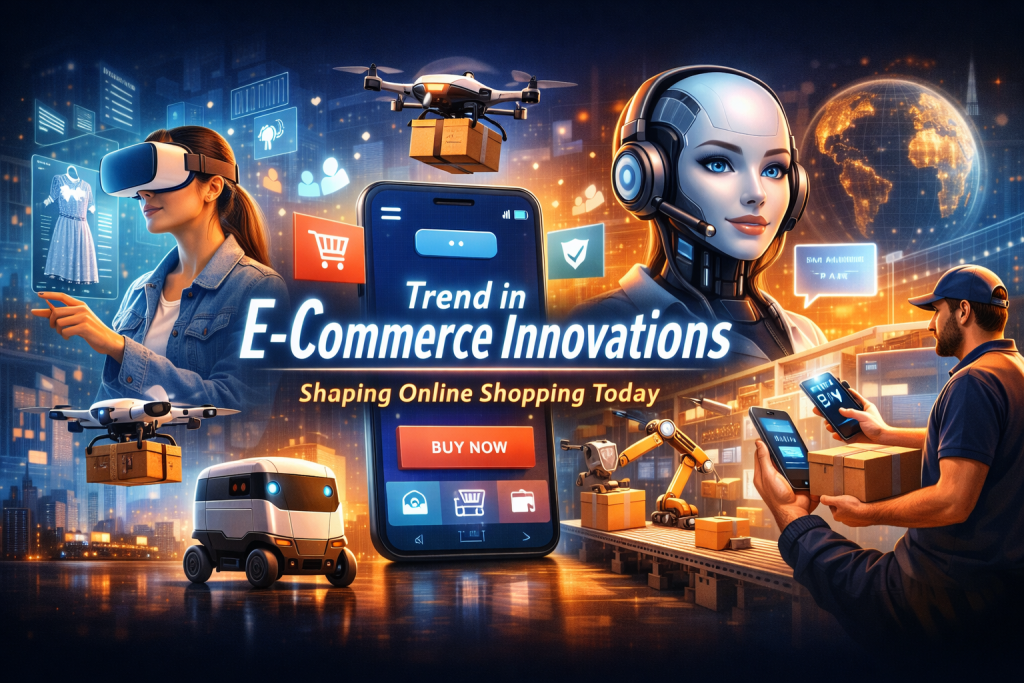
Online shopping is changing fast, and most consumers can feel it in the details: smarter recommendations, faster delivery promises, smoother payments, and more personalized experiences. If you are searching for the trend in e-commerce innovations, you are likely trying to understand what is actually shaping modern online retail today, not just buzzwords. The biggest shift is that e-commerce is no longer only about “selling products,” but about building an end-to-end digital experience that feels human, instant, and trustworthy. These innovations are redefining how brands attract, convert, and retain customers in a crowded marketplace.
AI-Powered Personalization and Predictive Shopping
One major trend in e-commerce innovations is the move from basic personalization to predictive, behavior-based shopping experiences. In the past, personalization meant “people who bought this also bought that.” Today, AI can analyze browsing patterns, purchase history, location signals, and timing to predict what a customer is most likely to want next.
Modern recommendation engines now adapt in real time, not only after a purchase. This makes product discovery faster and reduces decision fatigue, especially in categories with too many options like fashion, electronics, skincare, and groceries. When done well, it feels like the store understands you without being intrusive.
AI is also transforming customer support through chatbots and virtual assistants. Instead of waiting for a human response, shoppers can get instant answers about stock, delivery, returns, sizing, and product details. The best systems can escalate complex cases to humans while still handling routine questions efficiently.
Another emerging innovation is AI-driven demand forecasting. Retailers use predictive models to estimate future demand more accurately, preventing stockouts and reducing overstock waste. This directly impacts customer satisfaction because the right products are more consistently available.
Social Commerce and Live Shopping Experiences
A defining trend in e-commerce innovations is the merging of social media behavior with buying behavior. Social commerce has moved beyond product links and now includes native checkouts, influencer storefronts, shoppable short videos, and live-stream shopping events.
Live shopping is especially powerful because it recreates the human element of retail. Customers can watch product demonstrations, ask questions in real time, and see honest feedback. This format reduces uncertainty, which is one of the biggest barriers to online buying.
Short-form video is also becoming a product discovery engine. Instead of searching on Google first, many consumers now find products through social platforms. For brands, this means the “first touch” is often entertainment-based, not search-based.
Social proof is now deeply integrated into the buying experience. Reviews, user-generated content, creator recommendations, and community-driven feedback influence purchase decisions more than traditional ads. This is why modern e-commerce strategies increasingly prioritize trust-building content over pure promotion.
Frictionless Payments, BNPL, and Digital Wallet Expansion
Payment experience has become a competitive advantage. A major trend in e-commerce innovations is reducing checkout friction to near zero. Shoppers expect speed, security, and flexibility, and they abandon carts quickly if the payment flow feels slow or complicated.
Digital wallets have grown into a standard expectation. Apple Pay, Google Pay, PayPal, and region-specific wallets allow customers to pay without typing long card details. This is especially important on mobile, where typing is inconvenient and error-prone.
Another major innovation is Buy Now, Pay Later (BNPL). BNPL options can increase conversion rates by making higher-priced products feel more accessible. However, retailers must implement it responsibly, because overly aggressive installment marketing can lead to consumer debt issues.
Subscription-based payments are also growing. Many brands now offer subscription models for consumable products like coffee, supplements, skincare, and pet supplies. This creates predictable revenue and improves retention, while giving customers convenience and better pricing.
Security innovations are evolving in parallel. Tools like tokenization, biometric authentication, and fraud detection AI are becoming essential as online payment fraud grows more sophisticated. Customers want convenience, but they will not compromise on trust.
Faster Fulfillment, Micro-Warehousing, and Last-Mile Innovation
Delivery speed and reliability are now part of the product itself. A critical trend in e-commerce innovations is the rise of smarter fulfillment systems designed to reduce delivery time while keeping costs manageable.
Many large retailers and marketplaces are investing in micro-warehousing. Instead of storing all inventory in one large facility, they distribute inventory closer to customers. This reduces shipping distance and makes same-day or next-day delivery more realistic.
Last-mile delivery is also changing. Companies are experimenting with delivery lockers, pickup points, crowdsourced delivery networks, and route optimization. These models can reduce failed deliveries, which are costly and frustrating for customers.
Real-time tracking has become a baseline expectation. Customers want transparency: where the package is, when it will arrive, and what happens if delays occur. Retailers that provide clear delivery updates often see fewer customer service complaints and higher repeat purchase rates.
Returns logistics are also improving. Many brands now streamline returns with QR codes, instant refunds after drop-off, and automated return labels. Since returns are a major pain point in e-commerce, simplifying this process directly improves trust and loyalty.
AR/VR, Virtual Try-On, and Immersive Product Experiences
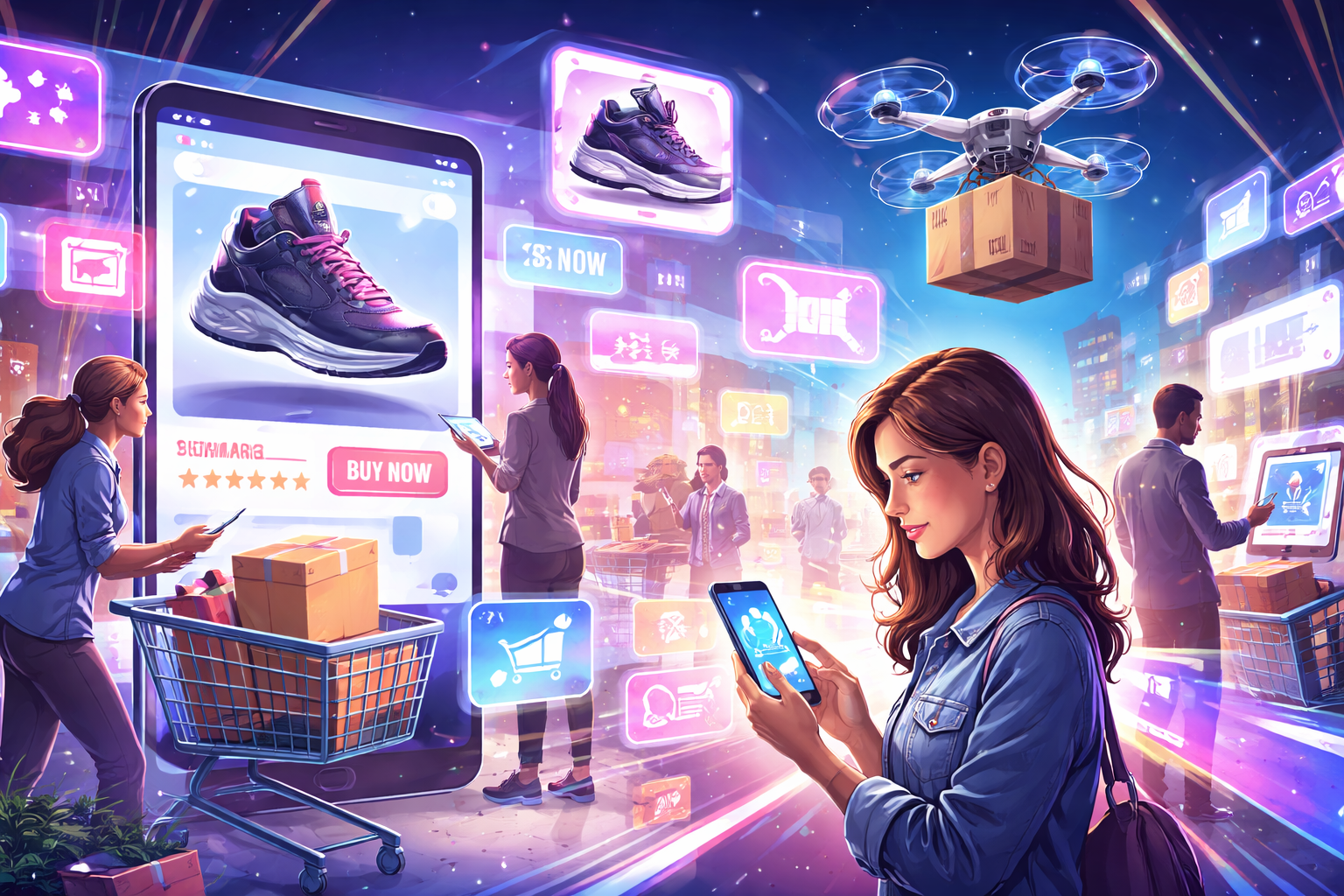
One of the most visible trend in e-commerce innovations is immersive shopping through AR (Augmented Reality) and VR (Virtual Reality). These tools address a core weakness of online shopping: customers cannot physically touch or test products.
Virtual try-on is becoming common in beauty, eyewear, and fashion. Customers can preview how lipstick shades look, how glasses fit their face, or how clothing might appear. While not perfect, it reduces uncertainty and increases confidence.
Furniture and home décor brands use AR to let shoppers place items in their space digitally. This helps customers understand size, proportion, and style match before buying. It also reduces returns caused by incorrect expectations.
VR shopping is still early-stage, but it is evolving. Some brands are building immersive showrooms where customers can explore products in a 3D environment. While this is not mainstream yet, it signals where high-end and experiential retail may go.
Product visualization is also improving without full AR/VR. Many stores now use 360-degree product views, interactive zoom, and video-based product pages. These features are becoming standard because customers want clarity, not just static images.
Sustainability, Ethical Commerce, and Transparent Supply Chains
Modern consumers increasingly care about where products come from and how they are made. A major trend in e-commerce innovations is the push for sustainability and transparency, driven by both customer demand and regulatory pressure.
Brands are improving product pages with details like sourcing information, manufacturing location, materials, and certifications. This is especially relevant for fashion, food, cosmetics, and household goods. Transparency builds trust and reduces skepticism.
Eco-friendly packaging is another focus. Many companies are reducing plastic, using recycled materials, and optimizing packaging size. This is not only good for the environment, but also reduces shipping costs.
Carbon-aware logistics is also emerging. Some retailers now offer “green shipping” options, consolidate deliveries, or invest in carbon offset programs. While offsets are not a complete solution, they show that logistics sustainability is becoming part of the brand image.
Second-hand and recommerce platforms are growing fast. More consumers are buying used items, refurbished electronics, and pre-owned fashion. Retailers are responding by creating official resale channels, which helps control quality and brand reputation.
Sustainability claims must be handled carefully. Greenwashing is increasingly criticized, and customers can quickly detect vague or misleading claims. The most successful brands focus on measurable changes and clear reporting.
Conclusion
The most important trend in e-commerce innovations today is the shift toward smarter, faster, and more human-centered shopping experiences. AI, social commerce, frictionless payments, advanced logistics, immersive product viewing, and sustainability are not separate trends—they are connected forces reshaping how people discover, trust, and buy online. Businesses that adapt to these innovations will not only increase sales, but also build long-term customer loyalty in a market where expectations keep rising.
FAQ
Q: What is the biggest trend in e-commerce innovations right now? A: The biggest trend is AI-driven personalization, which improves product discovery, customer support, and inventory planning in real time.
Q: Why is social commerce growing so fast? A: Social commerce works because it combines entertainment, community trust, and instant checkout, making product discovery feel natural instead of sales-driven.
Q: How do e-commerce brands reduce cart abandonment? A: They reduce friction through faster checkout, digital wallets, clear shipping costs, and flexible payment options like BNPL.
Q: Are AR and virtual try-on actually useful for customers? A: Yes, because they reduce uncertainty by helping customers visualize products, which can increase purchase confidence and reduce returns.
Q: How does sustainability affect e-commerce shopping decisions? A: Many customers prefer brands with transparent sourcing, responsible packaging, and ethical practices, especially in fashion, beauty, and daily consumer goods.
