Christa Pike, who survived an execution attempt, is discharged from hospital, attorney says

Daftar Isi
Christa Pike Returns to Tennessee Prison After Hospital Treatment
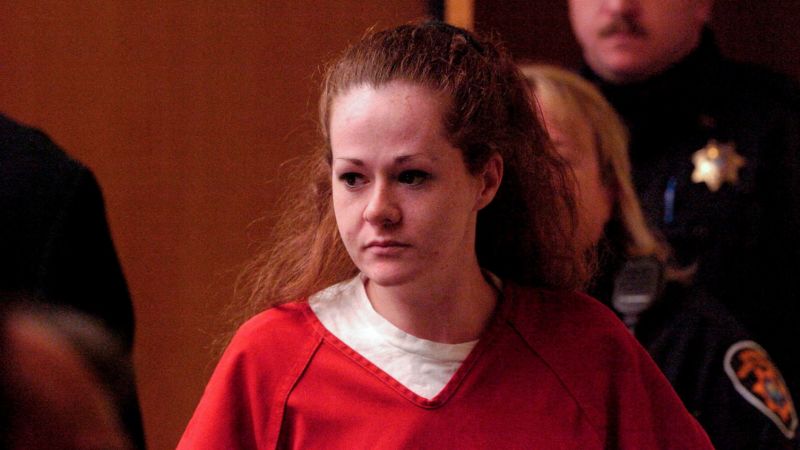
Activelifezero.com – Christa Pike has been released from the hospital and returned to the Tennessee prison where she had lived for three decades before the state’s unsuccessful effort to execute her by lethal injection.
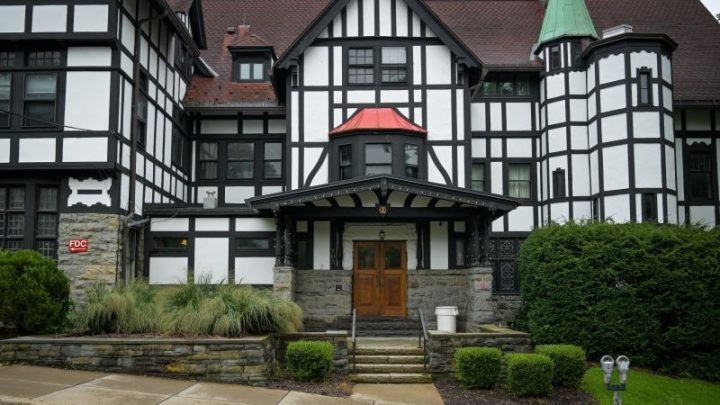
Pike, 50, is now back at the Deborah K. Johnson Rehabilitation Center, a women’s prison in Tennessee. Her attorneys said she continues to receive medical treatment there as they monitor her recovery following the September 30 execution attempt.
“She is grateful to the first responders and her medical team for their care in these extraordinary circumstances. She is continuing to receive medical care at the prison, and we will continue to track her recovery.”
The return to prison ends the immediate hospital stay that followed an execution procedure unlike any other documented lethal-injection case in the United States. Pike survived after receiving two doses of pentobarbital during Tennessee’s attempt to carry out her death sentence.
An Unprecedented Outcome
The Death Penalty Information Center identifies Pike as the first person known to survive after lethal-injection drugs were administered as part of an execution. That distinction places her case in an unusual and consequential position within the modern history of capital punishment.
Lethal injection is intended to be the method by which a death sentence is completed, making survival after the drugs are administered an extraordinary event. Pike’s medical condition required hospitalization after the failed execution, and the details of her continued care remain significant as she returns to the custody of the Tennessee Department of Correction.
Her attorneys’ statement focused on her gratitude for emergency responders and hospital staff, while also making clear that her recovery is ongoing. The move back to Deborah K. Johnson Rehabilitation Center does not mean her medical needs have ended; prison medical personnel are continuing her care.
The prison has been Pike’s home for 30 years. Her return there brings her back to the setting in which she spent much of her adult life while awaiting the outcome of her capital case.
The Crime and Death Sentence
Pike was sentenced to death for the 1995 killing of her classmate, Colleen Slemmer. The case involved the beating and stabbing death of Slemmer, a crime for which Pike later faced the most severe punishment available under Tennessee law.
The September 30 procedure was meant to carry out that sentence. Instead, the administration of pentobarbital did not result in Pike’s death, creating a situation that moved rapidly from an execution proceeding to a medical emergency requiring outside hospital care.
The case now carries multiple layers of public importance. It concerns the death sentence imposed for Slemmer’s killing, the medical and legal consequences of an unsuccessful execution, and the practical question of what follows when a state has attempted but failed to complete a lethal-injection execution.
For Pike, the immediate reality is more personal and urgent: recovery from an event that required emergency medical attention, followed by a return to a prison environment where she remains under state custody.
Questions Raised by the Failed Procedure
Although the available statement does not outline future legal steps, Pike’s survival creates circumstances that differ sharply from a typical capital case. Her status as the first known person to survive after receiving lethal-injection drugs during an execution gives the episode broader significance beyond the individual proceeding.
The events also highlight the close connection between execution protocols and medical care. First responders, hospital teams, correctional staff and legal representatives all became part of the response after the procedure did not proceed as intended. Pike’s attorneys specifically recognized the role of the emergency and medical personnel who treated her.
Her case is likely to remain closely watched because it combines a longstanding death sentence with an outcome rarely, if ever, seen after lethal-injection drugs have been delivered. The record described by the Death Penalty Information Center means that Pike’s experience stands apart even within the already limited history of modern executions.
For now, Pike remains at Deborah K. Johnson Rehabilitation Center while receiving continued medical attention. Her attorneys have said they will keep tracking her condition, leaving her recovery as the immediate focus after the state’s failed attempt to execute her.
Related Reading
Frequently Asked Questions
What is Christa Pike who survived an execution?
Christa Pike who survived an execution is the main topic of this guide. The article explains the context, practical details, and next steps readers should understand.
Why does Christa Pike who survived an execution matter?
Christa Pike who survived an execution matters because readers are looking for a useful answer, not just a short summary. Good content should match search intent and help them decide what to do next.