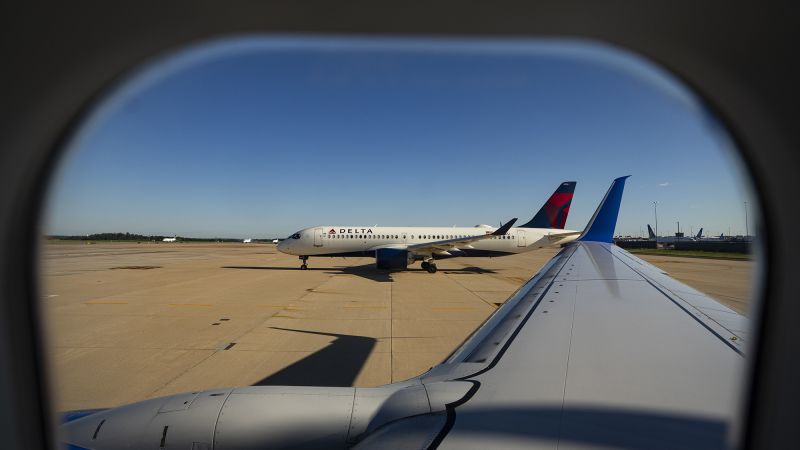
Delta expects higher fares and strong demand through the holiday season

Daftar Isi
Delta Sees Holiday Travel Holding Firm Despite Rising Fuel Costs
Activelifezero.com – Higher ticket prices have not deterred Delta Air Lines customers from booking trips, and the carrier expects that momentum to carry through the holiday period and into next year. The outlook comes even as the airline absorbs a sharp increase in jet fuel expenses, one of the industry’s largest operating costs.
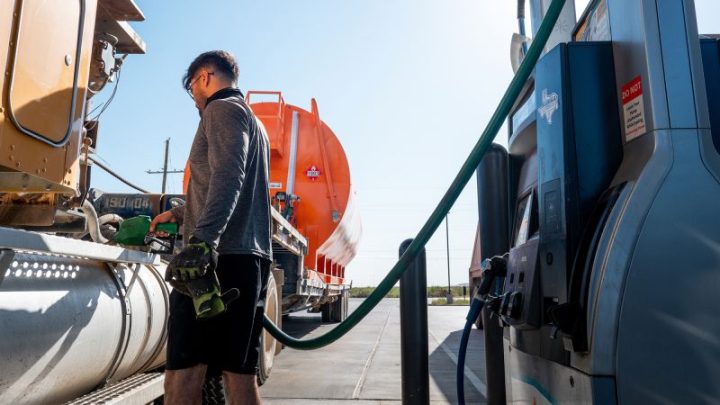
Delta, the first major US airline to release its latest financial results, said jet fuel spending climbed 60% in the third quarter from a year earlier. The increase amounted to $1.6 billion. Fuel ranks behind labor as the airline industry’s second-biggest expense, making abrupt energy-price movements a major test for carriers’ profits.
Even so, Delta said travelers paid roughly 15% more for their flights. That pricing strength helped adjusted net income rise 2% despite the much steeper fuel bill. In previous periods of energy-market turmoil, a cost increase of this scale would have caused far more damage to airline earnings.
“To not to dent those profits, to me is incredible,” CEO Ed Bastian said in an interview on CNBC after Delta released its third-quarter results. “In past cycles, past shocks, if we saw a 60% increase in fuel prices, we’d be flat on our back.”
Premium Travelers Drive More of the Revenue Growth
Delta’s confidence rests heavily on customers choosing higher-priced seating options. Revenue from premium seats increased 18%, reflecting continued demand for products ranging from Comfort Plus and Premium Select to first-class and business-class cabins.
Bastian said households in the highest 40% of income levels make up the airline’s core customer base. For many of those travelers, flying remains a spending priority even as fares rise. The company has expanded its focus on premium products because seats in those cabins are selling well.
“Their priority is to travel,” Bastian said. “So, from our standpoint, we the more premium we have, the more we’re selling out.”
The trend matters because airlines cannot automatically raise fares enough to cover every increase in expenses. Travelers must still be willing to purchase tickets at the higher price. Delta’s latest performance suggests that, for now, demand is supporting those prices—particularly among passengers seeking more space, added services or premium cabins.
Airlines also tend to respond to escalating fuel costs by reviewing their schedules. Flights with only narrow profit margins can become unattractive when fuel prices jump, leading carriers to reduce planned capacity rather than operate routes that may lose money. That discipline can limit the number of available seats and, when travel demand remains solid, contribute to higher fares.
Limited Seat Growth Supports Higher Fares
Delta’s available seats during the completed summer travel quarter were essentially unchanged from the same period a year earlier. With capacity largely flat and demand continuing, 86% of the airline’s available seats were occupied throughout the quarter.
That combination—steady supply and strong interest in travel—has put upward pressure on ticket prices. It also helps explain why the carrier expects fares to remain elevated over the next several months rather than quickly retreating after the peak summer season.
“We’re not seeing any slowdown at all. Our consumer is resilient,” Bastian said. “The fares will be a function of what the market bears.”
For travelers, the result is a holiday market in which booking early may be increasingly important. Demand for Thanksgiving and Christmas trips has begun sooner than in past years, while average prices have moved higher.
Hayley Berg, lead economist at travel site Hopper, said Thanksgiving airfare was already averaging $400 per ticket, up 31% from a year earlier. Christmas fares, typically about $50 more than Thanksgiving prices, were averaging approximately $450, a 23% year-over-year increase.
The early booking pattern may reflect travelers trying to secure flights before prices climb further or before preferred schedules become scarce. With planes filling at a high rate, passengers waiting until close to departure could find fewer convenient options, especially on heavily traveled holiday routes.
Fuel Costs Remain a Key Risk
Jet fuel prices had fallen significantly earlier this year after reaching a peak in April, when the start of the war in Iran pushed energy costs higher. Delta and other airlines did not reduce fares during that decline. Fuel costs have since begun rising again, and Bastian expects elevated fuel expenses to continue through the fourth quarter.
The changing fuel picture remains an important variable for the industry. A prolonged increase can force airlines to trim capacity, seek higher revenue from each flight or accept weaker margins. Delta’s current outlook assumes that passenger demand remains sufficiently strong to offset at least part of that pressure.
Delta’s quarterly earnings came in slightly below Wall Street expectations, and the company reduced its guidance for the remainder of the year. Shares of Delta, trading under the symbol DAL, edged lower in premarket activity, along with most other US airline stocks.
Still, the company’s broader message was one of confidence in travel demand. The approaching holiday season will offer a critical measure of whether consumers continue accepting higher fares. Delta believes customers—particularly those booking premium products—will keep traveling, providing support for revenue even as fuel costs remain unusually high.
Related Reading
Frequently Asked Questions
What is Delta expects higher fares and strong?
Delta expects higher fares and strong is the main topic of this guide. The article explains the context, practical details, and next steps readers should understand.
Why does Delta expects higher fares and strong matter?
Delta expects higher fares and strong matters because readers are looking for a useful answer, not just a short summary. Good content should match search intent and help them decide what to do next.