
Women’s Digestive Health: Common Issues and Natural Solutions
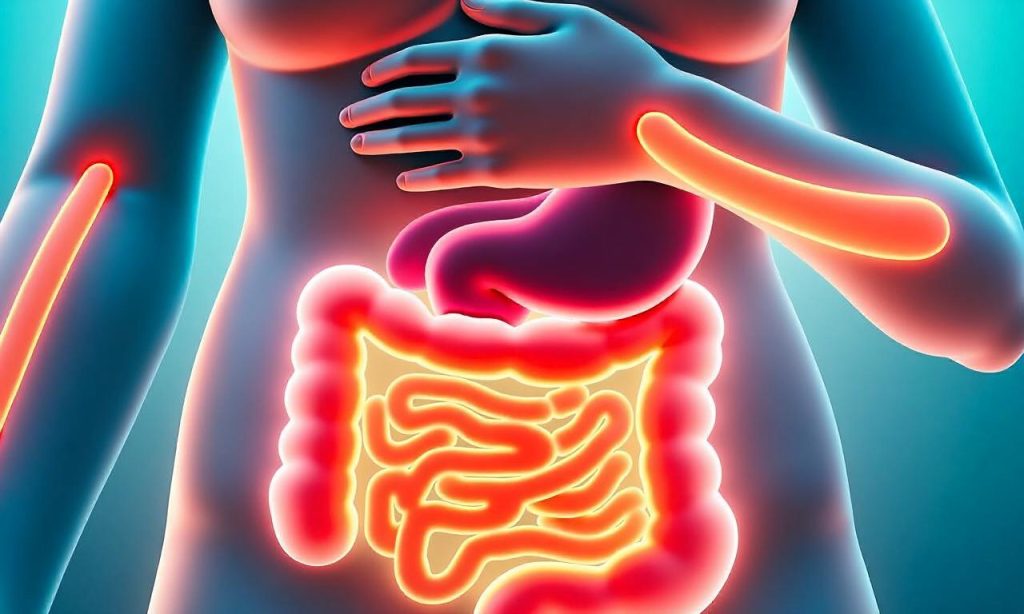
Women’s health and digestive issues are closely intertwined, with many women experiencing unique challenges related to their gastrointestinal system throughout different stages of life. From hormonal fluctuations during menstruation to pregnancy-related discomforts and the aging process, digestive health plays a vital role in overall well-being. Understanding the common issues that affect women’s digestive systems and exploring natural solutions can empower individuals to take control of their health without relying solely on medication. Whether it’s bloating, constipation, or irregular bowel movements, these symptoms often have underlying causes that can be managed through lifestyle adjustments and holistic approaches. This article delves into the key factors influencing women’s digestive health, the most prevalent issues they face, and practical, natural remedies that can help restore balance and improve quality of life.
Hormonal Changes and Their Impact on Women’s Digestive Systems
Hormones are powerful regulators of the body, and their fluctuations during the menstrual cycle, pregnancy, and menopause can significantly affect digestive function. For instance, progesterone levels rise during the luteal phase of the menstrual cycle, which can slow down gastrointestinal motility. This often leads to symptoms like bloating, constipation, and a feeling of fullness even after small meals. Similarly, estrogen and progesterone interact with the gastrointestinal tract to influence bowel movements and stomach acid production. These hormonal shifts can create a delicate balance that is easily disrupted, making women more prone to digestive discomfort during specific life phases.
Another key factor is stress, which is known to exacerbate digestive issues in women. Hormonal changes can increase stress-related digestion and make the gut more sensitive to external triggers. For example, cortisol, the stress hormone, can slow down peristalsis—the muscle contractions that move food through the digestive system—leading to bloating and abdominal discomfort. Additionally, fluctuating hormone levels can affect gut microbiota, which plays a crucial role in digestive health. This connection between hormones and the gastrointestinal system highlights the need for a comprehensive approach to managing women’s health and digestive issues.
The Role of Progesterone in Menstrual-Related Digestive Discomfort
During menstruation, the progesterone dominance in the second half of the cycle can lead to temporary digestive slowdowns. This is why many women report constipation or gas buildup just before their period. Progesterone relaxes smooth muscles, including those in the intestines, which can reduce the speed at which food moves through the digestive tract. As a result, gas and bloating are common complaints. To counteract these effects, dietary adjustments such as increasing fiber intake and staying hydrated can help regulate bowel movements. However, if symptoms persist, it may be necessary to explore natural remedies like probiotics or herbal teas to support digestive function.
Menopause and the Shift in Digestive Patterns
As women enter menopause, the decline in estrogen levels can have a profound impact on digestive health. Lower estrogen levels may lead to weakened intestinal muscles, contributing to chronic constipation. Additionally, hormonal changes can affect gastrointestinal motility, making it harder for the body to process food efficiently. Some women also experience increased gas production or irritability in the gut, which can be linked to fluctuating estrogen and progesterone levels. These postmenopausal digestive issues can often be managed through dietary changes and lifestyle modifications that address hormonal imbalances.
Pregnancy-Related Digestive Challenges
Pregnancy is a transformative period for women’s bodies, and one of the most common digestive issues is nausea and vomiting, often referred to as morning sickness. This condition is caused by hormonal changes, particularly the rise in human chorionic gonadotropin (hCG) and progesterone, which can slow down stomach emptying and increase sensitivity to food odors. While morning sickness is typically most severe in the first trimester, some women may experience persistent digestive discomfort throughout their pregnancy.
In addition to nausea, pregnancy can lead to heartburn and acid reflux, especially in the second and third trimesters. As the uterus expands, it puts pressure on the stomach, causing stomach contents to flow back into the esophagus. This gastrointestinal discomfort is often exacerbated by hormonal shifts and dietary changes during pregnancy. For example, high estrogen levels can relax the lower esophageal sphincter, making it easier for stomach acid to escape. Women may also experience constipation due to increased progesterone, which slows intestinal motility. These digestive problems can be managed with natural solutions like small, frequent meals and elevating the upper body while lying down.
Gestational Diabetes and Its Effect on Digestion
Gestational diabetes is another digestive issue that can arise during pregnancy, affecting blood sugar levels and, in turn, digestive health. High blood sugar levels can slow down digestion and increase the risk of gas and bloating. Additionally, gestational diabetes may contribute to changes in gut bacteria, which can impact nutrient absorption and overall digestive function. Managing this condition often involves dietary adjustments, such as eating balanced meals and limiting sugary foods, to support both blood sugar control and digestive health.
Common Digestive Conditions in Women
Beyond hormonal influences, women are more likely to experience certain digestive conditions due to biological and lifestyle factors. One of the most prevalent is irritable bowel syndrome (IBS), a chronic condition that causes symptoms like bloating, abdominal pain, and altered bowel habits. IBS is often linked to gastrointestinal sensitivity and stress, making it a common issue in women’s health and digestive issues. Research suggests that women are more prone to IBS than men, possibly due to hormonal differences and gastrointestinal anatomy.

Another digestive problem that affects women is gastroesophageal reflux disease (GERD), or heartburn, which occurs when stomach acid flows back into the esophagus. Hormonal changes during menstruation, pregnancy, or menopause can exacerbate this condition by relaxing the lower esophageal sphincter. Women may also experience GERD due to dietary choices like eating late at night or consuming fatty foods. Natural solutions such as avoiding trigger foods and using herbal remedies like ginger or aloe vera can help alleviate symptoms and support digestive health.
Food Intolerances and Women’s Digestive Health
Food intolerances are another common issue that can impact women’s health and digestive issues. Conditions like lactose intolerance, gluten sensitivity, or fructose malabsorption can cause symptoms like bloating, gas, and diarrhea. These digestive problems are often underdiagnosed in women, who may attribute discomfort to other factors like stress or hormonal changes. Identifying specific food triggers through dietary tracking or elimination diets can help manage symptoms and improve overall well-being.
Lifestyle Factors and Natural Solutions for Women’s Digestive Health
While hormonal influences play a significant role in women’s health and digestive issues, lifestyle choices also contribute to digestive health. For example, dietary habits such as eating high-fiber foods, staying hydrated, and avoiding processed meals can support healthy digestion. Fiber-rich foods like whole grains, fruits, and vegetables help promote regular bowel movements, while adequate water intake prevents dehydration and constipation. On the other hand, a diet high in sugar and unhealthy fats can lead to digestive discomfort and worsen existing issues.
Stress management is another crucial factor in women’s health and digestive issues. Chronic stress can disrupt the gut-brain axis, a communication network between the central nervous system and the digestive system. This connection means that stress can cause or worsen digestive problems like irritable bowel syndrome (IBS), diarrhea, or constipation. Natural solutions such as yoga, meditation, or deep breathing exercises can help reduce stress levels and improve digestive function. For instance, yoga poses that target the abdomen may stimulate digestion and relieve bloating.
Probiotics and Gut Health in Women
Probiotics are beneficial bacteria that can enhance gut health and support digestive function. These microorganisms help maintain a healthy gut microbiome, which is essential for breaking down food and absorbing nutrients. Women’s health and digestive issues often benefit from regular probiotic consumption, as these microbes can reduce inflammation and improve digestion. Fermented foods like yogurt, kimchi, and kefir are natural sources of probiotics that can boost gut health without the need for supplements. However, it’s important to choose the right probiotic strains and consume them consistently for optimal results.
Herbal Remedies and Natural Treatments
Herbal remedies are a popular natural solution for women’s health and digestive issues. Herbs like peppermint, fennel, and ginger have long been used to soothe the digestive system and reduce symptoms like bloating and gas. Peppermint can relieve intestinal spasms, while fennel is known to ease digestion and reduce nausea. Ginger, on the other hand, is effective for alleviating morning sickness and improving overall digestive health. These natural treatments can be incorporated into daily routines to support long-term digestive wellness.
When to Seek Professional Help for Digestive Problems
While natural solutions can be effective for many women’s health and digestive issues, there are situations where professional medical attention is necessary. Persistent symptoms like chronic constipation, severe bloating, or unexplained weight loss may indicate underlying conditions such as inflammatory bowel disease (IBD) or celiac disease. IBD, which includes Crohn’s disease and ulcerative colitis, can cause inflammation in the digestive tract and lead to long-term complications if left untreated. Celiac disease, an autoimmune disorder, triggers digestive problems in response to gluten, making dietary adjustments essential for management.
Women’s health and digestive issues can also be linked to hormonal imbalances, such as thyroid dysfunction or estrogen dominance
