Ukraine is fighting Russia anywhere it can – even in the deserts of Africa

Daftar Isi
Ukraine Extends Its Drone War Beyond Europe, Targeting Russian Influence in Africa
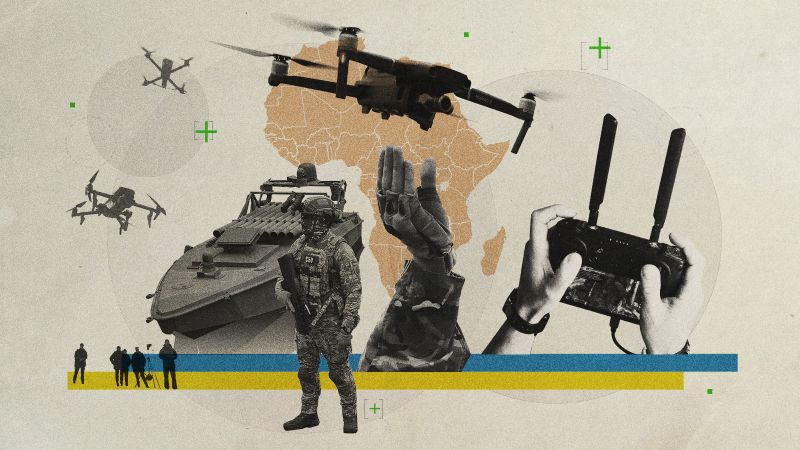
Activelifezero.com – Ukraine’s fight against Russia has reached far beyond the trenches and ruined towns of its own territory, with Ukrainian drone specialists now working in some of Africa’s harshest conflict zones. In northern Mali, a small group of operators is helping local rebel forces confront Russian troops while enduring desert heat that can exceed 110 degrees Fahrenheit, scarce water and sand that permeates nearly everything.
About 15 Ukrainian specialists have been sent to Mali, a junta-led country in the Sahel, where they are supporting rebels opposed to Russian forces. The deployment reflects Kyiv’s broader strategy of challenging Russia wherever it seeks military, political or economic influence.
For many of the Ukrainians involved, the work resembles the drone operations they have performed against Russian troops at home. The setting, however, could hardly be more different. Instead of operating from underground positions in Ukraine, they are adapting their skills to the punishing conditions of the Sahara’s southern fringe.
Drone expertise becomes a foreign-policy tool
Ukraine has developed extensive experience with unmanned aircraft during the full-scale war with Russia. That knowledge is now being used to build partnerships in other regions where Moscow is active.
Ukrainian military personnel have also taken their counter-drone expertise to the Middle East. After Iran began launching attacks against US allies there earlier this year, Ukraine dispatched military specialists to at least five countries. Over several weeks, the teams trained local forces to detect and defeat Iranian-made Shahed drones, weapons Russia has used repeatedly in attacks on Ukraine.
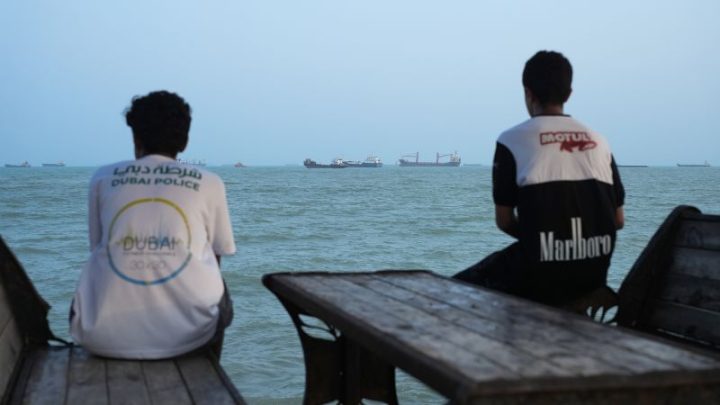
One Ukrainian soldier deployed to the United Arab Emirates described working closely with local troops in joint teams. The local personnel traveled alongside the Ukrainians and copied their procedures as they learned how to counter the drones.
In return for sharing these hard-earned capabilities, Ukraine secured security-cooperation arrangements and commitments involving ammunition. The exchanges underline how battlefield experience can become diplomatic leverage, particularly as Kyiv seeks practical support from countries outside its immediate neighborhood.
“We are turning our experience in the field of (drones) into a foreign policy tool,” a Ukrainian Defense Intelligence source said.
A contested arena in the Sahel
The Sahel is a vast, dry belt stretching south of the Sahara and has become a major arena for competing outside powers. Russia has sought a larger role in the region, particularly in countries rich in minerals and marked by coups and chronic insecurity.
As French and other Western forces withdrew from parts of the Sahel in recent years, Moscow moved to fill the resulting security gap. Its model has involved offering military backing to local governments while pursuing financial payments and access to valuable mining opportunities.
Initially, many of these operations were handled through the Wagner Group, the private military company led by Yevgeny Prigozhin. Following Prigozhin’s death after his failed 2023 uprising, Russia incorporated the remaining Wagner structures into its regular military framework. The result was the Africa Corps, which supports governments aligned with Moscow.
Ukraine’s activity in Mali is tied to a separatist movement known as the Azawad Liberation Front, largely made up of Tuareg rebels from the country’s north. Ukrainian personnel embedded with the group are not said to be taking part in frontline combat directly. Instead, they provide training, technical support and assistance with operations.
“I coordinate their operations remotely. The signal from their drone comes to me over the internet, and I immediately tell them via radio what to do and where to fly,” one Ukrainian drone operator in Mali said.
“They go out on missions, then return to me, and we go over every detail of their actions. I don’t go out to the front lines myself — that was a direct order from my superiors,” he said.
The arrangement illustrates a central feature of modern drone warfare: operators and advisers do not always need to stand close to the battlefield. Video, communications links and remote coordination can allow specialists to guide missions from a distance, while local forces carry out the physical deployment.
Regional training and wider deployments
Ukraine’s footprint in Africa appears to extend beyond Mali. A Ukrainian Defense Intelligence source said several Ukrainian specialists were based in Sudan. The same source said personnel from Chad, Niger and Burkina Faso had previously gone to Mali for drone training with Ukrainian soldiers.
These efforts place Ukraine in a complicated regional conflict landscape. Mali has long faced violence involving separatist factions, jihadist groups, state forces and foreign military actors. The involvement of outside powers adds another layer to a conflict already shaped by disputes over territory, governance and access to resources.
Russia has accused Ukraine of involvement in attacks on civilians in Mali, an allegation Kyiv has rejected. Human Rights Watch issued two reports over the summer accusing Russian forces in Mali of killing civilians. A separate report examining an April surge in violence said all parties directly participating in the conflict had unlawfully attacked civilians; Ukraine was not named in that assessment.
Russia’s Foreign Minister Sergey Lavrov defended the Africa Corps last month, saying it worked legally and responded to requests from governments recognized as legitimate by Moscow.
The Africa Corps “operates strictly within the bounds of legality” and acts “in response to official requests from the legitimate governments of African states,” Lavrov said.
For Kyiv, the overseas missions are meant to create pressure on Russia while challenging Moscow’s effort to present itself as a dependable security partner across Africa and the Middle East. The approach also signals that Ukraine sees drone expertise not merely as a battlefield advantage, but as a means of strengthening international relationships during a difficult stage of the war.
As Russia continues to threaten Ukraine’s defensive positions at home, these distant deployments demonstrate how the conflict’s effects are spreading into other regions. The struggle is no longer defined only by territory inside Ukraine: it is increasingly shaped by training, technology, alliances and influence in places far from Europe’s front lines.
Related Reading
Frequently Asked Questions
What is Ukraine is fighting Russia anywhere it can?
Ukraine is fighting Russia anywhere it can is the main topic of this guide. The article explains the context, practical details, and next steps readers should understand.
Why does Ukraine is fighting Russia anywhere it can matter?
Ukraine is fighting Russia anywhere it can matters because readers are looking for a useful answer, not just a short summary. Good content should match search intent and help them decide what to do next.