
How to Get Rid of a Migraine Fast with Practical
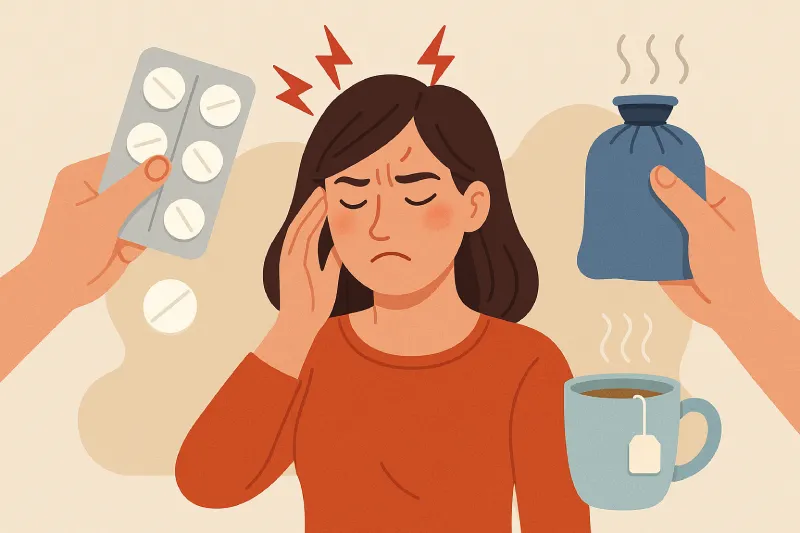
activelifezero.com – Struggling with migraine pain? Learn how to get rid of a migraine fast with practical, proven remedies. From hydration to relaxation techniques, discover what works best for you.
Migraines aren’t just bad headaches—they’re a full-on experience that can derail your day. More than 1 billion people around the world deal with migraines, making it one of the most common and disruptive health issues out there.
For many, migraines hit during their most productive years, often between the ages of 15 and 39, and they don’t come quietly.
So, if you’re searching for how to get rid of a migraine, you’re definitely not alone. Whether it’s the pounding pain, the light sensitivity, or the nausea that throws you off, you want it gone—and fast.
Let’s walk through some real, down-to-earth ways to kick a migraine to the curb and get back to living your life.
Understanding Migraine Basics
What Is a Migraine? Symptoms and Types
Migraines are more than just “really bad headaches.” They’re a neurological condition that comes in a few different flavors. Some people get the classic throbbing pain on one side of the head, while others experience visual disturbances like auras, sensitivity to light, nausea, or even dizziness.
There are two major types: migraine with aura and migraine without aura. With aura means you get warning signs—like flashing lights or zigzag lines—before the pain kicks in.
Without aura? The pain just hits you like a truck with no heads-up. Fun, right?
Migraine vs. Headache: What’s the Difference?
Let’s clear up a common mix-up: migraines and headaches are not the same thing. Headaches might feel like pressure or dull pain that you can still push through. Migraines, on the other hand, are often intense and can completely shut you down.
While a regular headache might respond well to some water and a nap, migraines often need a full-on strategy to manage. Understanding this difference is key to knowing how to get rid of a migraine effectively and fast.
Common Migraine Triggers You Should Know
Migraine triggers can vary from person to person, but there are some repeat offenders. Bright lights, loud noises, certain foods (like aged cheese or processed meats), dehydration, skipping meals, and even stress are common culprits.
Tracking these triggers can make a huge difference. The more you know what sets your migraines off, the better you can dodge them or at least be ready to fight back when they hit.
Read More : 6 Key Benefits of Kegel Exercises for Men You Should Know
How to Get Rid of a Migraine
Let’s be real—when a migraine strikes, all you want is for it to go away. Fast. It’s not the time for theories or complex health plans. You want something that works right now.
The good news? There are some simple, practical things you can do to ease the pain and start feeling like yourself again. Here are a few go-to steps that people swear by when figuring out how to get rid of a migraine.
These tips aren’t just for seasoned migraine warriors either—they’re helpful even if this is your first rodeo. So let’s walk through a few quick wins that can help you bounce back faster than you think.
1. Find a Quiet, Dark Room
First thing’s first—get away from the chaos. If you’re in a bright room, a noisy space, or surrounded by people, your migraine is probably going to feel a hundred times worse.
Light and sound can make migraine symptoms spiral, so your best move is to retreat to a calm, dark place ASAP.
Even if you can only steal away for 10 or 15 minutes, that small break can make a big difference. Draw the curtains, turn off your phone (or at least silence it), and just give your senses a break.
Sometimes, the simple act of removing stimulation can dial down the intensity and help your brain settle.
2. Apply a Cold or Warm Compress
This one is a classic for a reason—it really does help. For a lot of people, a cold compress on the forehead or back of the neck can bring relief by numbing the pain and reducing inflammation. Think of it like giving your headache a timeout.
On the flip side, others find that a warm compress or heating pad works better, especially if there’s tension in the shoulders or neck contributing to the migraine.
It’s kind of a trial-and-error situation, but once you find what your body responds to, you’ll know what to reach for next time.
And hey, no fancy equipment needed. A bag of frozen peas or a warm towel can totally do the trick.
3. Hydrate Quickly
Here’s a sneaky one: migraines can sometimes be triggered or worsened by dehydration, and a lot of us don’t even realize we’re running low on fluids. So before you panic, try drinking a big glass of water—or better yet, something with electrolytes like coconut water or a low-sugar sports drink.
You don’t need to chug a gallon, but getting a solid dose of hydration into your system can ease symptoms and prevent things from getting worse. If you’ve been busy, skipped a meal, or had too much coffee, your body might just be asking for some water.
Bonus tip? Add a pinch of salt and a squeeze of lemon to your water for a natural electrolyte boost. Easy, fast, and potentially game-changing.
4. Use Over-the-Counter Pain Relievers
When you’re desperate and the pain is peaking, sometimes the most straightforward solution is the best one. Over-the-counter meds like ibuprofen, naproxen, or even acetaminophen can make a huge difference—especially if you take them early, right when the migraine is starting.
Some people also find relief from combination meds specifically made for migraines, like Excedrin Migraine. These usually include a blend of pain relievers and a small dose of caffeine, which can help enhance effectiveness.
But quick heads-up: don’t make a habit of popping pills all the time. Using OTC painkillers too frequently can actually backfire and lead to rebound headaches. So use them when you really need to, and if you find yourself relying on them often, it might be time to talk to a doctor about longer-term strategies.
Medical Treatments and When to See a Doctor
Prescription Medications (Triptans, CGRP Inhibitors)
If over-the-counter meds don’t cut it, prescription drugs might be the next step. Triptans are a common option for stopping a migraine in its tracks. There are also newer treatments like CGRP inhibitors that work by blocking the proteins that trigger migraines.
These require a doctor’s input, but they can be a game-changer if your migraines are frequent or severe.
Botox and Other Clinical Procedures
Yep, Botox isn’t just for wrinkles. It’s FDA-approved for chronic migraines and can significantly reduce the number of attacks for some people.
There are also nerve block injections and other advanced treatments, but they’re usually recommended when nothing else works. A neurologist can guide you here.
When a Migraine Requires Immediate Medical Attention
Most migraines are manageable at home, but if you suddenly experience the worst headache of your life, have trouble speaking, or lose vision—get medical help immediately. These could be signs of something more serious like a stroke.
Trust your instincts. If something feels way off, it’s better to be safe and get checked.
Read More : How to Improve Men’s Mental Health for a Balanced Life
Conclusion
When it comes to how to get rid of a migraine, there’s no one-size-fits-all fix. But from lying in a quiet room and staying hydrated to trying essential oils or seeing a doctor, you’ve got options. Lots of them.
The best thing you can do is listen to your body. Track your triggers, try different remedies, and don’t be afraid to mix and match strategies. With time and consistency, you’ll figure out what works best for you.
