A date to remember: The Abu Dhabi ice cream maker turning palm trees into soft serve

A Date to Remember: Abu Dhabi’s Palm-Tree Soft Serve
Activelifezero.com – For thousands of years the date palm has anchored daily life across the Gulf — offering shade, fiber, and calories in terrain where almost nothing else takes root. Its clustered fruit remains a cornerstone of regional agriculture, and in 2024 global output hit roughly 11 million metric tons, led by Saudi Arabia and Egypt, with the United Arab Emirates sitting inside the top ten producers according to UN Food and Agriculture Organization figures. Yet behind the loading docks of Zayed Port, one woman has turned that ancient crop into something entirely new: a sugar-free soft-serve program built around every edible part of the tree. It is, quite literally, a date to remember.
Night Shift, Twelve Bases, Zero Added Sugar
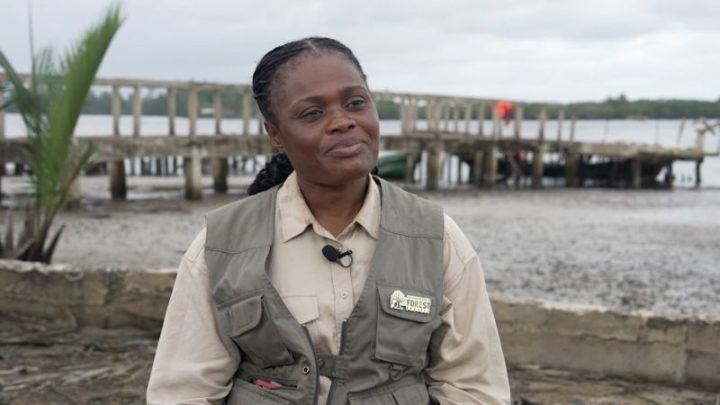
Amira Al Dosari, 53, keys into Ice Station — the soft-serve parlor she launched in 2023 — at 9 p.m. sharp. What follows is a three-hour session of blending, churning, and tasting through twelve separate flavor bases before the morning crowd arrives. Most of those bases owe their character to an ingredient no mainstream dairy shop would stock: the date palm, deployed in forms ranging from whole fruit to pollen.
Al Dosari’s path to that menu was not deliberate. After completing ice-cream-making courses abroad, she grew disillusioned with commercial recipes saturated in premixes, preservatives, and synthetic flavorants. The question that finally kept her awake was sugar. Watching toddlers shovel spoonful after spoonful of refined sweetness, she wondered what the cumulative toll would look like over a lifetime.
“I was thinking about what the future could be for children who eat a lot of sugar when they are that young. How would that affect their body?”
The answer led her to kholas rotab — the softest, most fully ripened stage of the kholas cultivar. Its natural sweetness was potent enough to restructure her formulations from scratch, removing added sugar entirely. She is upfront that dates are sugar-dense in their own right; what sets them apart, she argues, is the dietary fiber threaded through the whole fruit, which slows the glucose spike compared with refined cane sugar dissolved into a base. Achieving that creamy mouthfeel without a single gram of added sugar proved brutal: fifteen machines broke before a stable rotab batch finally held.
“The main thing in soft serve is the sugar. It gives it its creamy texture.”
Leaves, Seeds, Pollen: Nothing Wasted
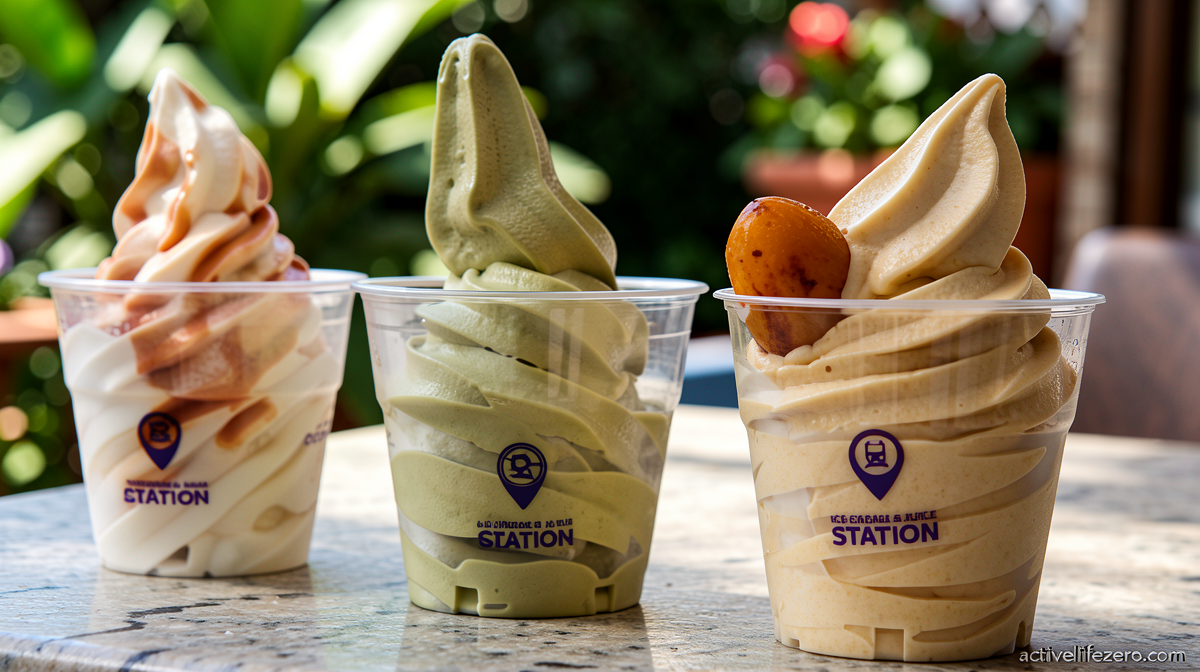
Once the fruit proved viable, Al Dosari’s curiosity spread to the rest of the plant. Over three years that curiosity has produced 145 distinct flavors, each anchored to a different palm component.
Her matcha substitute, for example, contains no Japanese green-tea powder. Instead she processes date-palm leaves — locally called “safcha” — which she says mimic both the flavor profile and the vivid green hue of true matcha, without a trace of caffeine. The timing is apt: surging global demand has strained Japan’s matcha supply chains, and the leaf-based version sidesteps the problem entirely.
“Every single person in my family is like, ‘matcha, matcha, matcha!’ I said, ‘Okay, but matcha has caffeine, so let’s go for something similar, but with no caffeine.'”
Her daughter, Ghalia Al Mazrouei, a sustainability consultant, helped find a use for the seeds discarded after fruit processing. Brewed into a caffeine-free coffee and poured over a mound of soft serve, the result is branded an “affogato,” nodding to the Italian espresso-drowned-ice-cream tradition. Date pollen, meanwhile, has been coaxed into its own standalone flavor, while date molasses functions as a natural sweetener across the menu. Al Dosari notes that different cultivars impart markedly different taste notes — some, she says, read surprisingly close to banana.
“We know that the entire plant is quite safe for consumption, so it was just more about how we could present this in a way that is enjoyable for everyone.”
Beyond the Palm
The date palm is not the sole wellspring of Ice Station’s rotating menu. Over the years the shop has cycled through international flavors: Costa Rican pineapple, ube (the purple sweet potato native to the Philippines), and savory experiments such as smoked salmon with cream cheese, caviar paired with vanilla, and parmesan swirled with white truffle. The through-line, however, remains consistent — every flavor is engineered to minimize or eliminate added sugar, a philosophy Al Dosari describes as the reason the shop exists at all.
For visitors to Abu Dhabi who want a taste of what three years of palm-tree experimentation looks like on a spoon, Ice Station’s counter near Zayed Port opens in the early morning hours, stocked with whatever bases survived the previous night’s churn. It is, in the most literal sense, a date to remember — one that asks nothing of the tree except that every part find a purpose.
FAQ
Where is Ice Station located? Ice Station operates near Zayed Port in Abu Dhabi, United Arab Emirates. The shop opens in the early morning after a night-shift preparation cycle.
Does the soft serve contain added sugar? No. Al Dosari formulates every base using the natural sweetness of kholas rotab dates and date molasses, eliminating refined or added sugar from the recipe.
Is the matcha alternative caffeine-free? Yes. The “safcha” leaf preparation replicates matcha’s flavor and color without any caffeine content.
How many flavors has the shop developed? Over three years, Al Dosari has created 145 distinct flavors, each drawing on a different component of the date palm or another natural ingredient.
Can visitors order savory options? Yes. The rotating menu has included smoked salmon with cream cheese, caviar with vanilla, and parmesan with white truffle alongside the usual sweet offerings.