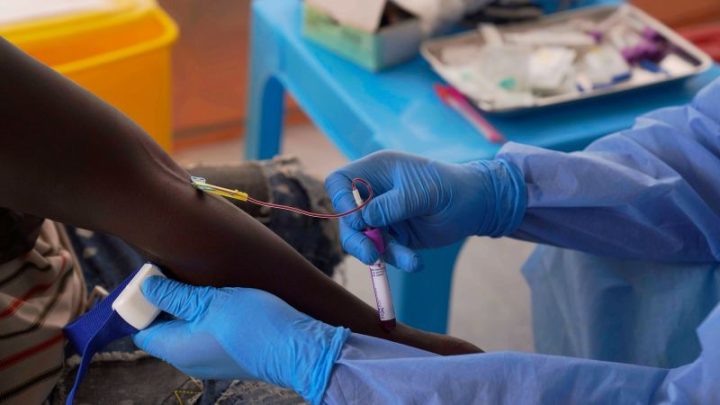
Tracking measles cases in the United States

Daftar Isi
Measles Case Counts Shatter Records as U.S. Faces Its Most Severe Outbreak Wave in Decades
Activelifezero.com – The United States is now tracking more measles infections than in any single year since the disease was officially declared eliminated domestically in 2000. With roughly half of 2026 already behind it, the cumulative tally has surpassed every annual figure recorded over the past quarter-century, marking the second consecutive year the country has broken its own record. The scale of the current wave makes it the worst measles season since 1991, and at least two deaths have been confirmed so far this year, following three fatalities in 2025 — the first reported measles deaths on American soil since 2015.
The Centers for Disease Control and Prevention releases updated national figures on a weekly cadence, and each new data drop has reinforced a grim trajectory. State health departments often compile their own tallies ahead of the federal aggregate, meaning the true picture on the ground can appear more acute than what appears in CDC’s consolidated reports.
Where the Outbreaks Are Concentrating
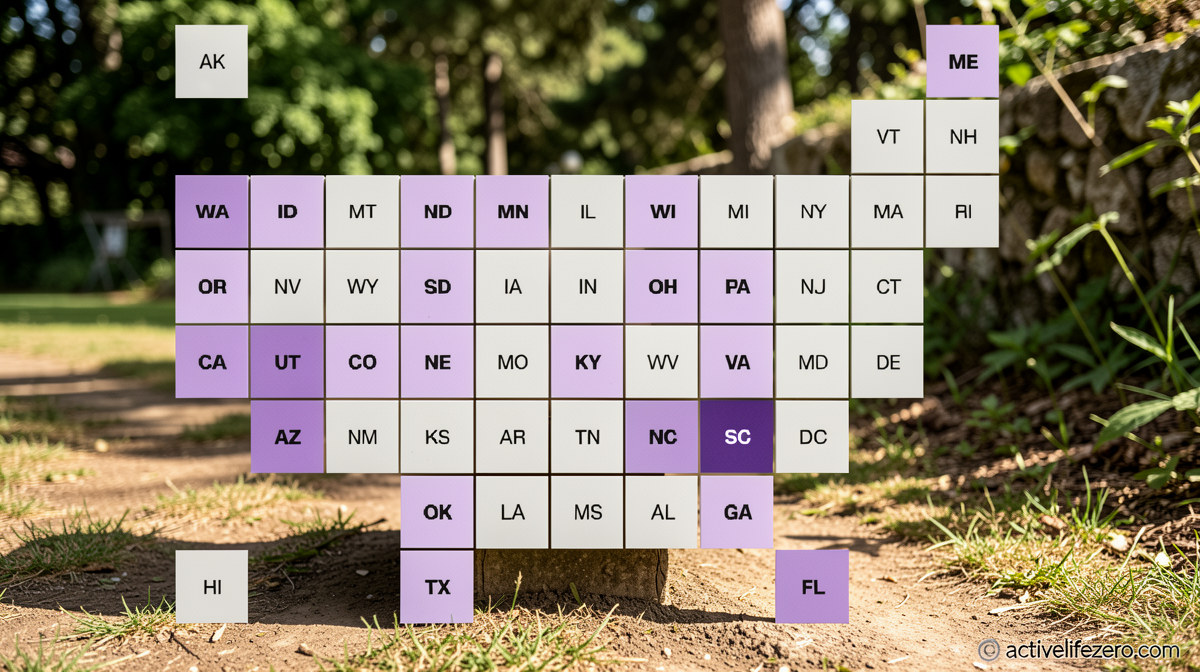
South Carolina has emerged as the hardest-hit state in 2026, reporting more confirmed cases than any other jurisdiction. The epicenter of that surge was Spartanburg County, where an outbreak ignited in October and escalated rapidly into what became the largest measles cluster the country has witnessed in decades. Nearly 1,000 individuals were infected before the outbreak was finally contained in April.
The previous year’s worst cluster centered on West Texas, where a sprawling outbreak generated at least one-third of all nationally reported cases in 2025. Multiple neighboring states logged infections traceable back to Texas contacts. State authorities declared that particular outbreak concluded in mid-August, yet other foci continued to expand elsewhere, ensuring the national curve never flattened.
A Disease That Remains Lethal
Measles spreads through the air with extraordinary efficiency — a single infected person can contaminate the air in a room for up to two hours after leaving. For young children and anyone lacking immunity, the consequences can be severe. Typical early symptoms include high fever, persistent cough, nasal discharge, watery eyes, and a characteristic rash of red spots that spreads across the body.
The CDC estimates that roughly one in five unvaccinated Americans who contract measles will require hospitalization. Among children, about one in twenty develops pneumonia, and a subset faces encephalitis, a dangerous swelling of the brain. At the extreme end, up to three out of every 1,000 infected children may succumb to respiratory or neurologic complications. The overwhelming majority of recent U.S. cases have involved individuals younger than 20, and most have had no prior vaccination.
The Vaccination Gap
The measles, mumps, and rubella (MMR) vaccine remains one of the most effective tools in public health. Two doses — the first administered between 12 and 15 months of age, the second between ages 4 and 6 — confer approximately 97% protection against measles infection. A single dose provides about 93% efficacy. Despite this, coverage has slipped below the threshold experts consider necessary to prevent sustained transmission.
The United States targets a 95% vaccination rate to maintain herd immunity. Yet MMR series completion among kindergarteners dropped from 95.2% during the 2019–20 school year to 92.5% in the 2024–25 school year, leaving approximately 286,000 children without full protection, per CDC data. Coverage disparities vary sharply from state to state, creating pockets of susceptibility where imported cases can ignite local outbreaks.
Elimination Status on the Line
Measles was declared eliminated in the United States in 2000, meaning no continuous transmission of more than 12 months occurs domestically. Imported cases remain expected given global circulation, but when vaccination coverage stays high, those introductions rarely spark sustained spread. That buffer is now eroding.
The 2019 outbreaks — particularly two large clusters in underimmunized Orthodox Jewish communities in New York — already tested the country’s elimination standing. Current multi-state outbreaks are compounding that threat. The Pan American Health Organization, which oversees elimination designations across the Americas, could vote to revoke U.S. measles elimination status when it convenes in November.
“If a measles outbreak continues for a year or more, the United States could lose its measles elimination status,” according to the CDC.
For families, the practical takeaway is straightforward: ensure children are current on both MMR doses. For public-health officials, the challenge is broader — closing the coverage gaps that allow a single imported case to cascade into hundreds of local infections. Until vaccination rates climb back above the 95% threshold in every community, the next imported case will continue to find fertile ground.
Related Reading
Frequently Asked Questions
What is Tracking measles cases in the United?
Tracking measles cases in the United is the main topic of this guide. The article explains the context, practical details, and next steps readers should understand.
Why does Tracking measles cases in the United matter?
Tracking measles cases in the United matters because readers are looking for a useful answer, not just a short summary. Good content should match search intent and help them decide what to do next.