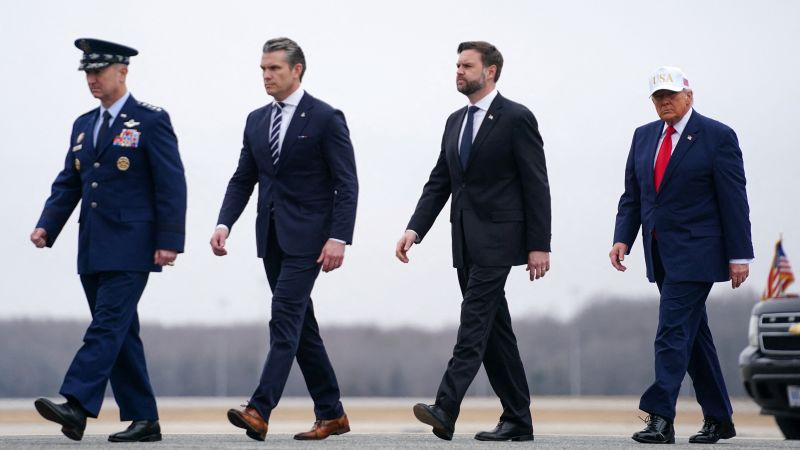
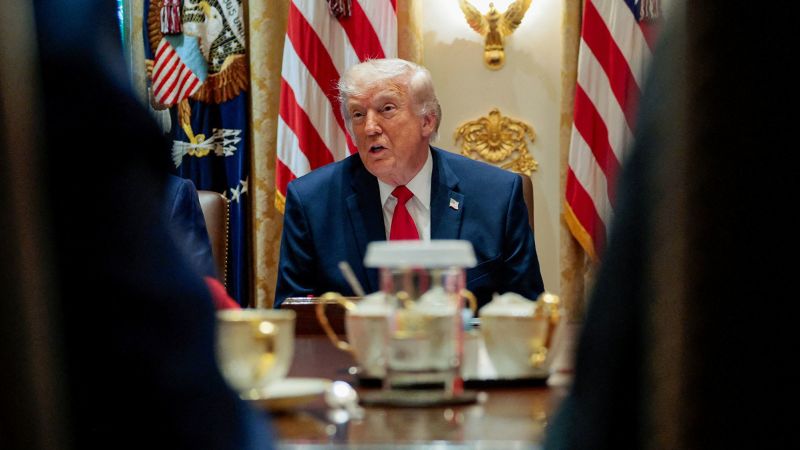
Trump distances himself from voter frustration with GOP: ‘They’re not angry at me’

Daftar Isi
Trump Separates Himself from GOP Voter Discontent Ahead of 2026 Midterms
Activelifezero.com – President Donald Trump has positioned himself apart from the growing frustration among Republican voters as the 2026 midterm elections approach. In a candid interview with Punchbowl News that was published on Friday, the president suggested that while many voters harbor significant anger toward the Republican Party, that ire is not directed at him personally.
“The question is will they vote? ‘Cause a lot of them are very angry at Republicans to be honest with you,” Trump observed during the conversation. He emphasized that since he is not appearing on the ballot this November, voters’ dissatisfaction is aimed at the party organization rather than at his leadership. “They’re not angry at me, but they are angry at Republicans,” he stated clearly.
Republican Challenges in the Polls
Recent polling data underscores the difficulties facing the GOP heading into the midterm cycle. A CNN survey conducted by SSRS in late July revealed that Republicans are currently trailing Democrats by eight points on the generic congressional ballot among registered voters. This gap signals that the American electorate is seeking substantial changes in the composition of Congress.
The enthusiasm gap further favors Democrats. The party maintains a twenty-point advantage in voter enthusiasm, with a particularly strong showing among those who describe themselves as extremely motivated to cast their ballots. Additionally, economic concerns appear to be weighing heavily on Republican voters. Sixty-three percent of Americans believe the GOP is devoting insufficient attention to cost-of-living challenges, while fifty-two percent feel Democrats are not prioritizing the issue enough either.
Trump Defends His Campaign Efforts
Within Republican circles, some critics have questioned whether the president cares enough about congressional races or is concerned about potentially losing the majority. Trump pushed back against these criticisms, highlighting his recent campaign activities and pointing out that his role differs from that of a candidate.
“I could do a lot easier. I don’t have to be away in Nevada yesterday. I didn’t have to be in Los Angeles yesterday making speeches. I didn’t have to be supporting all the people. I have a lot, you know, I have a busy schedule,” Trump explained. He added a pointed reminder to his supporters: “I said to somebody, ‘Wait a minute. You don’t understand. I won. I’m not campaigning.'”
MAGA Inc. and Midterm Spending
The president also addressed concerns about his super PAC, MAGA Inc., which has accumulated a substantial forty-hundred-million-dollar war chest but has been relatively quiet in terms of direct spending. Some Republicans have expressed anxiety that the fund is sitting idle while midterm races intensify.
“I’m going to help Republicans,” Trump declared, committing to increased activity from the PAC during the election cycle.
He emphasized his authority over the organization’s finances. “I could spend it on pretty much anything I want,” Trump noted, suggesting that the timing and allocation of funds would be determined at his discretion. Members of Trump’s political operation, including James Blair—who has temporarily stepped away from White House duties to assist with midterm strategy—have indicated that financial support for Republican candidates in November was anticipated. However, the specific amounts and timeline for spending remain undefined.
Friction with Senate Leadership
Tensions between Trump and Senate Majority Leader John Thune have become increasingly visible in recent weeks. The president declined to endorse the South Dakota senator for another term as leader of the Republican caucus in the Senate. When pressed about his relationship with Thune during an interview recorded on Thursday, Trump offered a measured response.
“I don’t want to get into that,” Trump said initially. “I do have disagreements,” he added, specifically referencing Thune’s inability to secure sufficient votes to pass the SAVE America Act and eliminate the filibuster. Trump had energized his MAGA base to pressure Republican senators to support the federal elections overhaul legislation, even though the Senate had previously rejected the measure. Thune has consistently resisted Trump’s demands for his chamber to vote on abolishing the filibuster entirely.
This rift between the two Republicans has deepened since Trump successfully challenged fellow senator John Cornyn in a primary election back in May. Despite these tensions with Thune, Trump expressed considerable warmth toward House Speaker Mike Johnson, describing him as a “fantastic person” during the same interview.
Looking Ahead
The 2026 midterms will test whether Republican voters can reconcile their frustration with the party’s leadership while still delivering electoral victories. Trump’s efforts to distance himself from GOP discontent while simultaneously committing resources through MAGA Inc. suggest he intends to play a central role in shaping the party’s fortunes. How that relationship evolves—particularly with Senate leadership—could prove decisive for Republican ambitions in Congress.
Related Reading
Frequently Asked Questions
What is Trump distances himself from voter frustration?
Trump distances himself from voter frustration is the main topic of this guide. The article explains the context, practical details, and next steps readers should understand.
Why does Trump distances himself from voter frustration matter?
Trump distances himself from voter frustration matters because readers are looking for a useful answer, not just a short summary. Good content should match search intent and help them decide what to do next.