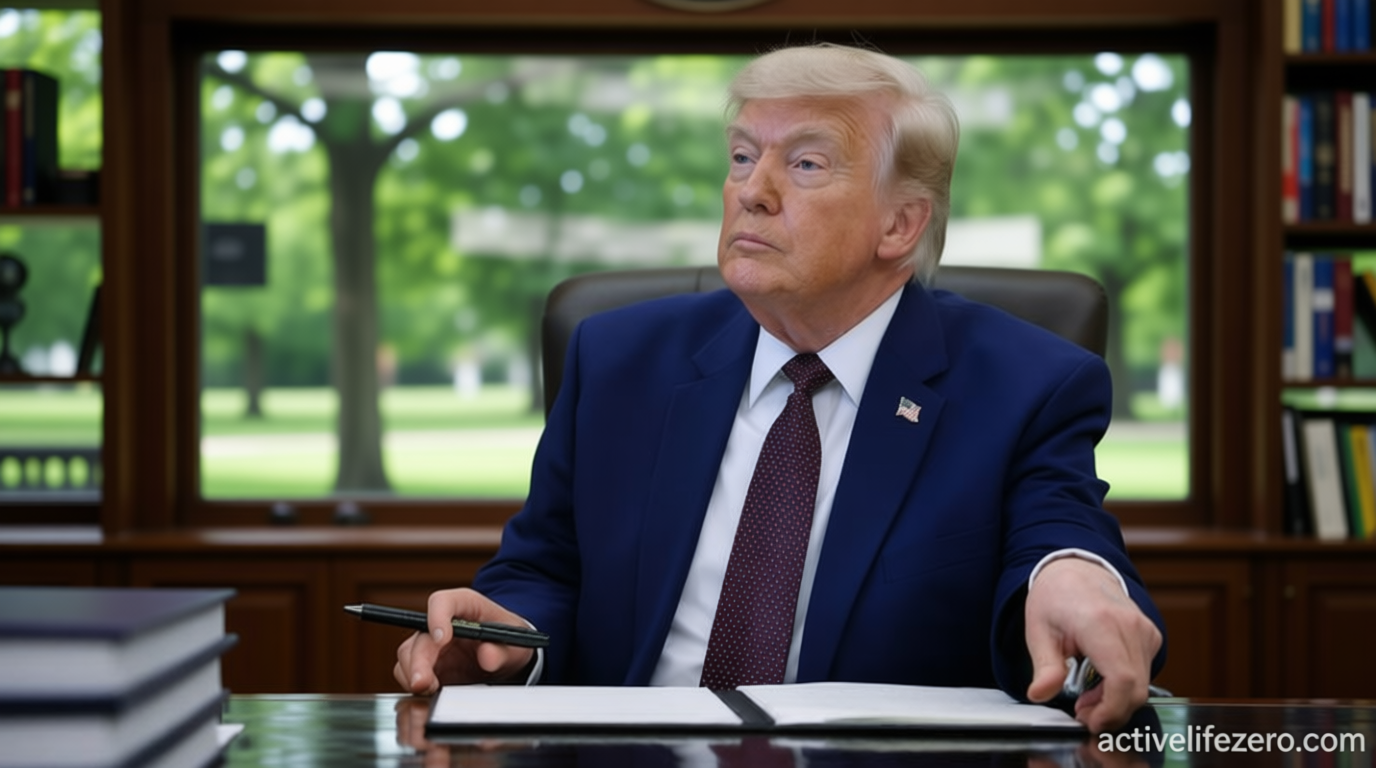
Don Lemon tells judge he was a target of Trump before indictment in ask to drop criminal case


Daftar Isi
Journalist Seeks Dismissal of Criminal Charges, Citing Political Retaliation
Activelifezero.com – A prominent broadcast journalist has formally requested that a federal judge throw out criminal charges stemming from his attendance at a Minnesota church demonstration, contending that the prosecution represents an unprecedented attempt to silence media coverage through punitive legal action. The motion, filed on Friday by attorneys representing the journalist, argues that the charges violate constitutional protections for press freedom and constitute a politically motivated response to the individual’s professional activities.
Background of the Charges
The legal proceedings originated from events that unfolded on January 18 at Cities Church in St. Paul, Minnesota. During this incident, demonstrators opposed to Immigration and Customs Enforcement entered the religious facility, and the journalist was present to document the unfolding situation through live video coverage on his YouTube platform. Federal prosecutors have characterized the scene as a coordinated effort to disrupt normal church operations, alleging that the journalist participated in what they described as a “takeover-style attack” alongside another independent reporter.
The charges against the journalist include conspiracy to violate constitutional rights and violations of the Freedom of Access to Clinic Entrances Act, commonly known as the FACE Act. This federal statute, originally enacted to protect reproductive health facilities, prohibits the use of force or threats to intentionally interfere with individuals exercising their First Amendment right to practice religion. The journalist has entered a not guilty plea in response to these allegations.
Arguments for Vindictive Prosecution
Legal representatives for the journalist have constructed a detailed narrative suggesting that the criminal charges emerged from political animosity rather than legitimate legal concerns. In their motion, the attorneys emphasized that the public record demonstrates the journalist had been “a persistent target of President Trump’s ire before the events in Minnesota.” They further contended that the Justice Department’s decision to pursue charges against a working journalist reflected the President’s personal hostility toward media coverage.
“The record could not be more clear that Mr. Lemon has been a persistent target of President Trump’s ire before the events in Minnesota (and) that the Justice Department acted on the President’s animus by filing unprecedented charges against a journalist for doing his job,” the attorneys wrote in their motion.
The legal team cited more than a dozen public statements from the President and various administration officials to support their position that the prosecution was politically driven. They argued that criminal proceedings should not be weaponized to suppress journalistic work that the administration finds unfavorable.
Press Freedom Concerns
Beyond the specific circumstances of this case, the attorneys have raised broader concerns about the potential chilling effect on American journalism. They emphasized that the legal system has historically distinguished between active participation in events and the passive role of documenting them for public understanding.
“The law has long recognized that bearing witness is not the same as taking part,” the motion stated.
The legal team warned that prosecuting journalists for merely covering events—on the theory that they failed to prevent wrongdoing or somehow endorsed the participants’ message—could fundamentally alter how news organizations operate. They argued such an approach would deter reporters from gathering information in real time and could effectively end much of investigative reporting as it currently exists.
“Prosecuting journalists for aiding and abetting the crimes they simply cover, on the theory that they failed to prevent those crimes or ‘promoted’ the criminals’ message, would chill large swaths of critical reporting. It would deter the public’s eyes and ears from gathering essential information in real time. It would end much of investigative reporting as we know it,” the attorneys wrote.
Legal Deficiencies and Broader Implications
Attorney Abbe Lowell, who is leading the defense team, has also argued that the charges contain fundamental legal deficiencies that warrant dismissal regardless of the political context. The motion suggests that even without considering the alleged vindictive motivation, the criminal charges do not adequately meet the legal standards required for conviction.
The case has drawn attention from press freedom advocates who view it as a test of how far the government can go in using criminal statutes to regulate journalistic activities. The FACE Act, while primarily designed to protect medical facilities, has been applied in various contexts, and its use against a journalist covering religious demonstrations raises questions about the scope of the law.
For the journalist, who previously served as a prominent anchor for CNN, the outcome of this case could have significant professional implications. A dismissal would validate his position that he was acting within his rights as a member of the press, while an unfavorable ruling could set precedent for future prosecutions of journalists covering similar events.
The motion represents one of the first major legal challenges to emerge from the Minnesota church incident, and its arguments about political retaliation and press freedom may influence how similar cases are handled in the future. As the legal proceedings continue, the case stands as a potential landmark decision regarding the intersection of criminal law, religious freedom, and journalistic rights in contemporary America.
Related Reading
Frequently Asked Questions
What is Don Lemon tells judge he was?
Don Lemon tells judge he was is the main topic of this guide. The article explains the context, practical details, and next steps readers should understand.
Why does Don Lemon tells judge he was matter?
Don Lemon tells judge he was matters because readers are looking for a useful answer, not just a short summary. Good content should match search intent and help them decide what to do next.