
FIFA boss Gianni Infantino’s apology doesn’t quell Europe’s boycott plans as reckoning looms
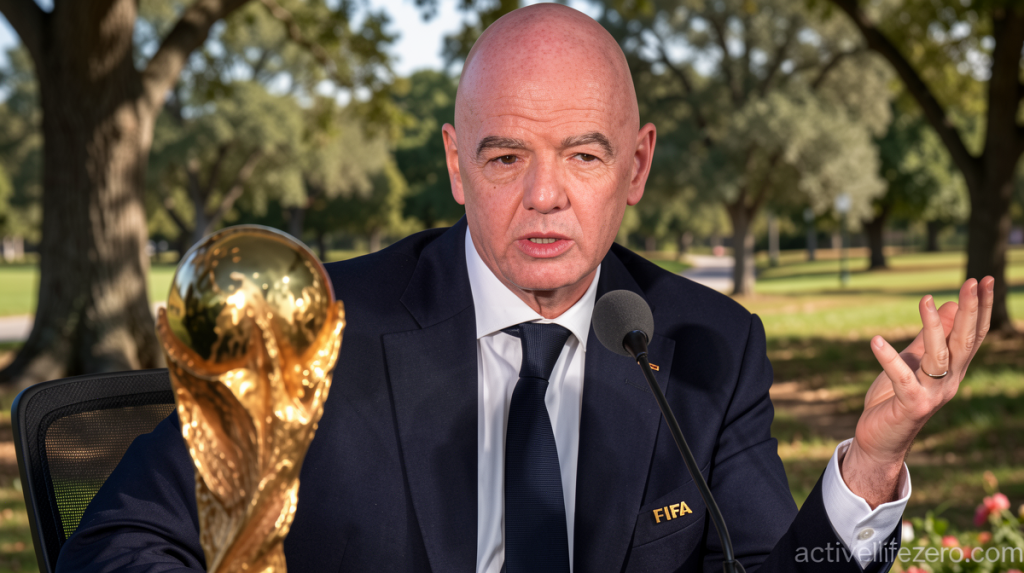
Infantino’s Apology Fails to Stop European Soccer Boycott
Activelifezero.com – FIFA boss Gianni Infantino s apology has done little to calm tensions with European soccer leaders. The FIFA president issued a formal statement Wednesday expressing regret over the handling of the controversial FFE proposal, but UEFA remains unmoved. The European confederation confirmed its boycott of FIFA competitions will continue until all conditions are met.
The dispute began when FIFA’s leadership moved to restructure commercial and operational rights for the World Cup through the FFE entity. Rather than consulting members thoroughly, the proposal was presented at the last minute during a crisis meeting in Rabat, Morocco. FIFA acknowledged this misstep in its subsequent statement, admitting that mistakes were made in the manner the proposal was delivered to member federations.
UEFA’s Unyielding Position
UEFA’s response has been particularly forceful. The European confederation, representing 55 national federations, was the first regional body to announce a comprehensive boycott of all FIFA events while the proposal remained active. Even after the FFE plan was withdrawn, UEFA maintained its stance.
UEFA’s associations were very clear about the conditions attached to the non-participation in FIFA competitions. First, the proposals to sell off the major competitions had to be withdrawn and secondly, assurances have to be made that such attempts to disfigure the game in this way will never be made again.
The confederation added that these conditions have not been met. Beyond the procedural concerns, UEFA expressed a deeper loss of faith in Infantino’s leadership. The statement emphasized that UEFA’s position of diminished confidence in the FIFA president remains unchanged.
Tournament Implications Mount
The boycott carries significant practical consequences. UEFA includes not only football’s traditional powerhouses but also Poland, which is scheduled to host the Under-20 Women’s World Cup beginning September 5. If UEFA maintains its boycott, FIFA may face the prospect of finding an alternative host on short notice while simultaneously losing participation from numerous key nations.
This scenario would represent a logistical nightmare for FIFA, which had already invested considerable resources in preparing for the tournament. The potential disruption extends beyond Poland, as other UEFA member nations could also withdraw their teams from the competition.
Broader Criticism Emerges
UEFA is not alone in its criticism. FIFPRO, the global organization representing professional footballers worldwide, issued a statement calling Infantino’s original plan a profound abuse of presidential power. The players’ union argued that while the withdrawal of the FFE proposal prevented an irreversible decision, it did not restore the confidence that had been eroded.
The withdrawal of FFE prevented an irreversible decision. It did not restore the confidence that made such a proposal possible in the first place.
FIFPRO emphasized that confidence cannot be rebuilt through carefully drafted statements, internal reviews, or promises to improve processes. The organization noted that governance and structural reforms should have been implemented long before this crisis emerged.
CONMEBOL Takes a Different Approach
South America’s football confederation offered a more measured response. CONMEBOL welcomed FIFA’s decision to withdraw the controversial plan but declined to support an extraordinary congress that would vote on Infantino’s future. Instead, the South American body indicated it would follow the existing timeline for the presidential election, scheduled for early next year.
The CONMEBOL Council calls for preserving the unity of the football family, acting with institutional responsibility, strengthening dialogue and fully respecting the mechanisms of governance.
The confederation’s statement concluded with a reminder that football comes first, above all differences. This approach suggests CONMEBOL prefers to let the electoral process unfold naturally rather than forcing an immediate resolution.
Looking Ahead
Anyone wishing to challenge Infantino in the upcoming election must submit their candidacy application before November 18. However, the growing pressure surrounding the FIFA president’s leadership makes it uncertain whether he will even reach that milestone. The combination of UEFA’s steadfast boycott, FIFPRO’s strong criticism, and calls from figures like soccer legend Figo—who stated Infantino must go—creates a formidable headwind for the current administration.
The coming weeks will be critical as FIFA navigates this period of uncertainty. With European nations holding firm and global stakeholders demanding accountability, the organization faces a reckoning that could reshape its governance structure for years to come.
Frequently Asked Questions
What is the FFE proposal that caused the boycott?
The FFE (Football Federation Entity) proposal was a plan by FIFA to restructure commercial and operational rights for the World Cup. The proposal was presented without adequate consultation with member federations, leading to widespread criticism.
Why is UEFA boycotting FIFA competitions?
UEFA is boycotting FIFA competitions because two conditions remain unmet: the withdrawal of the FFE proposal and assurances that similar attempts to restructure football will not happen again. UEFA also expressed diminished confidence in Infantino’s leadership.
Which tournament is at risk due to the boycott?
The Under-20 Women’s World Cup in Poland, scheduled to begin September 5, is at risk if UEFA maintains its boycott. Poland is a UEFA member nation and could lose participation from numerous key nations.
When is the next FIFA presidential election?
The next FIFA presidential election is scheduled for early next year. Candidacy applications must be submitted before November 18 for those wishing to challenge Infantino.
What is CONMEBOL’s position on the crisis?
CONMEBOL welcomed the withdrawal of the FFE proposal but declined to support an extraordinary congress. The South American confederation prefers to follow the existing election timeline and preserve unity within the football family.
