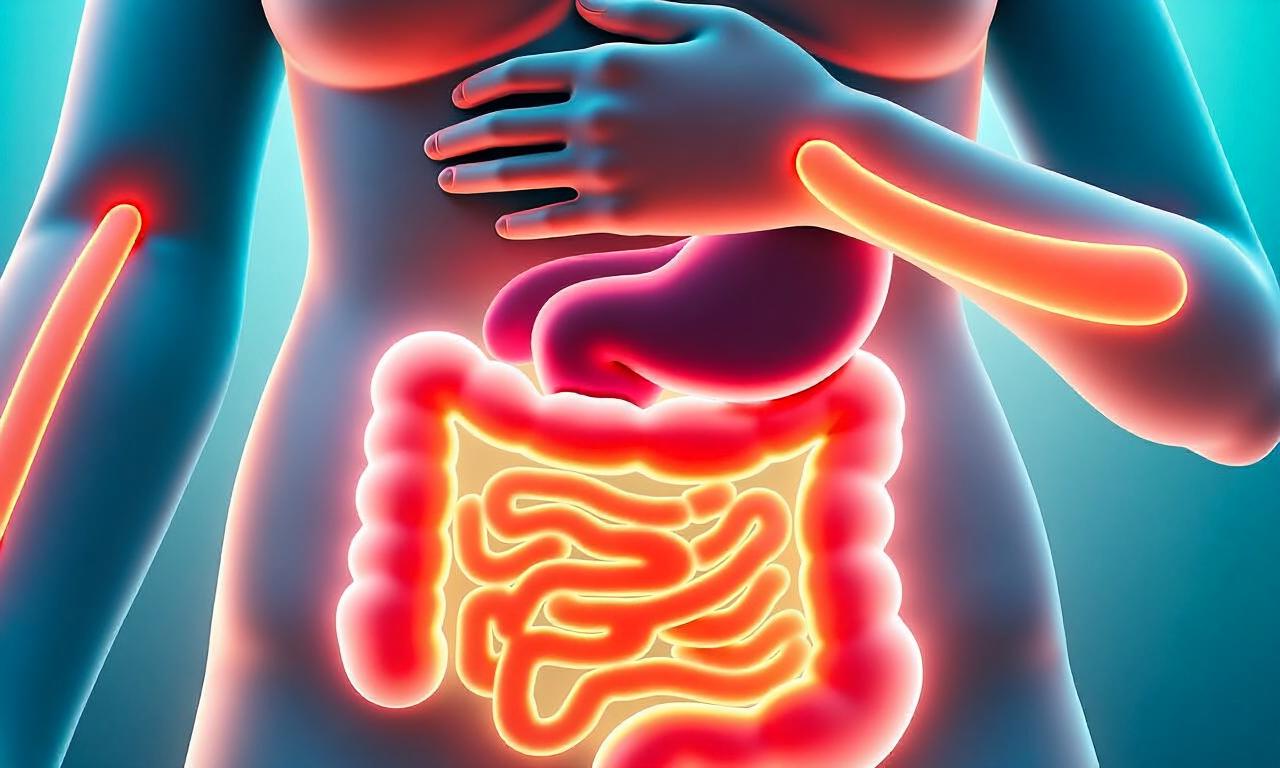
Women’s health and digestive issues are closely intertwined, with many women experiencing unique challenges related to their gastrointestinal system throughout different stages of life. From hormonal fluctuations during menstruation to pregnancy-related discomforts and the aging process, digestive health plays a vital role in overall well-being. Understanding the common issues that affect women’s digestive systems and exploring natural solutions can empower individuals to take control of their health without relying solely on medication. Whether it’s bloating, constipation, or irregular bowel movements, these symptoms often have underlying causes that can be managed through lifestyle adjustments and holistic approaches. This article delves into the key factors influencing women’s digestive health, the most prevalent issues they face, and practical, natural remedies that can help restore balance and improve quality of life. Hormonal Changes and Their Impact on Women’s Digestive Systems Hormones are powerful regulators of the body, and their fluctuations during the menstrual cycle, pregnancy, and menopause can significantly affect digestive function. For instance, progesterone levels rise during the luteal phase of the menstrual cycle, which can slow down gastrointestinal motility. This often leads to symptoms like bloating, constipation, and a feeling of fullness even after small meals. Similarly, estrogen and progesterone interact with the gastrointestinal tract to influence bowel movements and stomach acid production. These hormonal shifts can create a delicate balance that is easily disrupted, making women more prone to digestive discomfort during specific life phases. Another key factor is stress, which is known to exacerbate digestive issues in women. Hormonal changes can increase stress-related digestion and make the gut more sensitive to external triggers. For example, cortisol, the stress hormone, can slow down peristalsis—the muscle contractions that move food through the digestive system—leading to bloating and abdominal discomfort. Additionally, fluctuating hormone levels can affect gut microbiota, which plays a crucial role in digestive health. This connection between hormones and the gastrointestinal system highlights the need for a comprehensive approach to managing women’s health and digestive issues. The Role of Progesterone in Menstrual-Related Digestive Discomfort During menstruation, the progesterone dominance in the second half of the cycle can lead to temporary digestive slowdowns. This is why many women report constipation or gas buildup just before their period. Progesterone relaxes smooth muscles, including those in the intestines, which can reduce the speed at which food moves through the digestive tract. As a result, gas and bloating are common complaints. To counteract these effects, dietary adjustments such as increasing fiber intake and staying hydrated can help regulate bowel movements. However, if symptoms persist, it may be necessary to explore natural remedies like probiotics or herbal teas to support digestive function. Menopause and the Shift in Digestive Patterns As women enter menopause, the decline in estrogen levels can have a profound impact on digestive health. Lower estrogen levels may lead to weakened intestinal muscles, contributing to chronic constipation. Additionally, hormonal changes can affect gastrointestinal motility, making it harder for the body to process food efficiently. Some women also experience increased gas production or irritability in the gut, which can be linked to fluctuating estrogen and progesterone levels. These postmenopausal digestive issues can often be managed through dietary changes and lifestyle modifications that address hormonal imbalances. Pregnancy-Related Digestive Challenges Pregnancy is a transformative period for women’s bodies, and one of the most common digestive issues is nausea and vomiting, often referred to as morning sickness. This condition is caused by hormonal changes, particularly the rise in human chorionic gonadotropin (hCG) and progesterone, which can slow down stomach emptying and increase sensitivity to food odors. While morning sickness is typically most severe in the first trimester, some women may experience persistent digestive discomfort throughout their pregnancy. In addition to nausea, pregnancy can lead to heartburn and acid reflux, especially in the second and third trimesters. As the uterus expands, it puts pressure on the stomach, causing stomach contents to flow back into the esophagus. This gastrointestinal discomfort is often exacerbated by hormonal shifts and dietary changes during pregnancy. For example, high estrogen levels can relax the lower esophageal sphincter, making it easier for stomach acid to escape. Women may also experience constipation due to increased progesterone, which slows intestinal motility. These digestive problems can be managed with natural solutions like small, frequent meals and elevating the upper body while lying down. Gestational Diabetes and Its Effect on Digestion Gestational diabetes is another digestive issue that can arise during pregnancy, affecting blood sugar levels and, in turn, digestive health. High blood sugar levels can slow down digestion and increase the risk of gas and bloating. Additionally, gestational diabetes may contribute to changes in gut bacteria, which can impact nutrient absorption and overall digestive function. Managing this condition often involves dietary adjustments, such as eating balanced meals and limiting sugary foods, to support both blood sugar control and digestive health. Common Digestive Conditions in Women Beyond hormonal influences, women are more likely to experience certain digestive conditions due to biological and lifestyle factors. One of the most prevalent is irritable bowel syndrome (IBS), a chronic condition that causes symptoms like bloating, abdominal pain, and altered bowel habits. IBS is often linked to gastrointestinal sensitivity and stress, making it a common issue in women’s health and digestive issues. Research suggests that women are more prone to IBS than men, possibly due to hormonal differences and gastrointestinal anatomy. Another digestive problem that affects women is gastroesophageal reflux disease (GERD), or heartburn, which occurs when stomach acid flows back into the esophagus. Hormonal changes during menstruation, pregnancy, or menopause can exacerbate this condition by relaxing the lower esophageal sphincter. Women may also experience GERD due to dietary choices like eating late at night or consuming fatty foods. Natural solutions such as avoiding trigger foods and using herbal remedies like ginger or aloe vera can help alleviate symptoms and support digestive health. Food Intolerances and Women’s Digestive Health Food intolerances are another common issue that can impact women’s health and digestive issues. Conditions like lactose intolerance, gluten sensitivity, or fructose malabsorption can

‘Impossible’ cluster found in deep space could change what we know about early universe
Privacy Policy This site is protected by reCAPTCHA and the Google Privacy Policy and Terms of Service apply. Your information will be used in line with our Privacy Policy.

Why it’s essential to pack a pair of rubber gloves in your luggage
Essential Travel Items You Never Thought Of A battery pack. Compression socks. An eye mask. These are some items no intrepid traveller leaves home without. However, for your next getaway, you might want to consider packing a rather unexpected item into your hand luggage: a pair of rubber gloves. No, not so you can help out your hotel’s kitchen staff and wash up some dishes — but this everyday essential can actually solve some classic problems many of us come up against while we’re away. A user on Reddit asked travellers for the most ‘random’ object they take on holiday with them. ‘I always bring a pair of rubber gloves,’ wrote one Redditor. ‘If I stay in an Airbnb with a kitchen I use them when I’m cleaning, and sometimes for hand-washing items.’ Get exclusive discounts with Metro Deals – save on getaways and spa days. Powered by Wowcher Bannatyne Spa Spa day for two with treatments, lunch & prosecco – save up to 57% off. Mystery Escape Hotel stay with return flights from as low as £92pp – save on worldwide holiday packages. Beach Retreat (Lanzarote) 4* Lanzarote beach holiday with flights – save up to 58%. The suggestion was met with agreement from others, too, with one saying they use gloves to check ‘the seams of the mattress and upholstered chairs for bed bugs.’ Another traveller offered up an alternative use: ‘Rubber gloves also double as a lint roller.’ Metro asked travel expert and content creator, Liv Brown, for her thoughts, and she agreed that a pair of rubber gloves are an often overlooked travelling hack. In particular, Liv explained that they’re a good place to store wet, leaking or dirty items. ‘They can cover dirty shoes if you need to pack them and have no time for cleaning, or for somewhere to put your wet bikinis,’ says Liv, 33. ‘I often find myself needing solutions for leaking toiletries, as that happens a lot with altitude changes, so you can use rubber gloves for that too.’ Liv, who has been travelling full-time since 2022, also suggests a list of other uses for the humble rubber glove. ‘They can be used as a make shift ice pack to fill up and freeze if you hurt yourself, or to cool yourself down when it’s hot outside. ‘You could use them as temporary food storage, or to wrap fruit and vegetables ends that aren’t finished yet, or even for rain cover and water protection for your electronics (you can cut a hole in a finger for a charging cable too if needed).’ Luckily, this travel essential won’t eat into your travelling budget either, with a pair of Marigolds from Sainsbury’s costing just £3.10. This isn’t the first slightly left-field piece of travel advice we’ve seen recently. Registered osteopath and qualified sleep therapist Tracy Hannigan, recently told Metro that she recommends packing a tennis ball, as it can help in avoiding stiffness or aches while on a flight. She said: ‘A great tip is to find a hand towel, put the ball in the middle of it and roll it like a sausage. When you then apply pressure using the ball, it’s easier to position and will prevent it from f’

Healthy Male Lifestyle Tips: 5 Essential Habits for Men
Healthy male lifestyle tips are essential for maintaining physical, mental, and emotional well-being. In today’s fast-paced world, men often prioritize work and responsibilities over self-care, which can lead to health issues such as fatigue, stress, and poor posture. A healthy male lifestyle not only improves quality of life but also boosts confidence, energy levels, and long-term vitality. By adopting tips for healthy male lifestyle, men can take control of their health and set a foundation for a stronger, more balanced life. Whether it’s through nutrition, exercise, or mental well-being, small changes can have a significant impact. This article explores tips for healthy male lifestyle that are both practical and easy to implement, covering five essential habits that every man should consider integrating into his daily routine. Balanced Nutrition for Optimal Health A healthy male lifestyle begins with a well-rounded diet that supports energy, immunity, and overall health. Men have unique nutritional needs due to their physical activity levels, muscle mass, and hormonal changes. For instance, testosterone levels in men can influence metabolism and muscle growth, making it important to consume adequate protein and essential nutrients. However, many men overlook the importance of tips for healthy male lifestyle when it comes to food choices, often opting for convenience over nutrition. Prioritize Protein and Whole Foods Protein is a key component of tips for healthy male lifestyle, especially for muscle maintenance and repair. Foods like lean meats, eggs, legumes, and plant-based proteins such as lentils and quinoa should be staples in a man’s diet. Additionally, incorporating whole foods like fruits, vegetables, and whole grains ensures a steady supply of vitamins, minerals, and fiber. These nutrients help prevent chronic diseases, support digestive health, and enhance mental clarity. For example, leafy greens like spinach are rich in iron and magnesium, which are crucial for maintaining energy levels and reducing fatigue. Including a variety of nutrient-dense foods can transform daily meals into powerful tools for health. By avoiding excessive processed foods and refined sugars, men can reduce their risk of obesity, heart disease, and diabetes. It’s also important to pay attention to portion sizes and meal timing. Eating regular, balanced meals throughout the day helps regulate blood sugar levels and keeps energy consistent, preventing spikes and crashes that can affect productivity and mood. Stay Hydrated and Limit Unhealthy Additives Water is vitally important for every bodily function, from digestion to muscle function. Dehydration can lead to headaches, dizziness, and even fatigue, which are often mistaken for signs of aging or stress. Men should aim to drink at least eight glasses of water daily, though individual needs may vary depending on activity level and climate. Hydration is often overlooked but is a cornerstone of <strong>tips for healthy male lifestyle</strong>. In addition to water, men should limit their intake of sugary drinks, alcohol, and caffeine, which can dehydrate the body and disrupt sleep patterns. Instead, opt for natural beverages like herbal tea, infused water, or low-sugar smoothies. A well-hydrated body functions more efficiently, which is especially important for men who engage in physical activities or have demanding jobs. Regular Physical Activity for Strength and Vitality Exercise is a foundational habit of tips for healthy male lifestyle, offering benefits that extend beyond physical fitness. Men who incorporate regular physical activity into their routines often report improved mental health, better sleep quality, and increased longevity. Whether it’s weight training, cardio, or flexibility exercises, staying active helps maintain a healthy weight, strengthen muscles, and boost cardiovascular health. Build Muscle and Enhance Metabolism Strength training is crucial for men looking to build and maintain muscle mass, which naturally declines with age. Lifting weights or resistance exercises can increase lean muscle, improve bone density, and enhance metabolism. This not only helps with weight management but also reduces the risk of chronic conditions such as osteoporosis and type 2 diabetes. Incorporating strength training into a weekly routine can be a game-changer for <strong>tips for healthy male lifestyle</strong>. Men should aim for at least two sessions per week focusing on compound movements like squats, deadlifts, and push-ups. These exercises target multiple muscle groups, making them efficient for overall fitness. Pairing strength training with cardiovascular exercises such as running, swimming, or cycling ensures a balanced approach to health, improving heart function and endurance. Make Movement a Daily Habit Physical activity doesn’t always require hours at the gym. Simple changes like taking the stairs instead of the elevator, walking during lunch breaks, or doing bodyweight exercises at home can make a significant difference. Sedentary lifestyles are linked to numerous health issues, including high blood pressure, high cholesterol, and metabolic syndrome. Incorporating movement into daily routines is a practical way to adhere to <strong>tips for healthy male lifestyle</strong>. For instance, a 30-minute walk after dinner can improve circulation and reduce stress. Men who are busy with work or family responsibilities should find ways to stay active, even if it means incorporating short bursts of exercise throughout the day. Consistency is key to achieving long-term results, and small efforts often lead to substantial improvements in health and vitality. Quality Sleep for Rest and Recovery Adequate sleep is often the unsung hero of tips for healthy male lifestyle, yet it’s one of the most critical habits for overall well-being. Men require seven to nine hours of sleep per night to allow the body to recover, repair tissues, and regulate hormones. Lack of sleep can lead to fatigue, weakened immunity, and even mood disorders like depression and anxiety. Create a Consistent Sleep Routine Establishing a regular sleep schedule helps regulate the body’s internal clock, known as the circadian rhythm. Going to bed and waking up at the same time every day, even on weekends, can improve sleep quality and make it easier to fall asleep. Avoiding screens before bedtime, such as phones or televisions, reduces exposure to blue light, which can interfere with melatonin production. Consistency in sleep habits is <strong>essential</strong> for a <strong>healthy male lifestyle</strong>. Men should also create a relaxing bedtime environment by keeping the room cool,
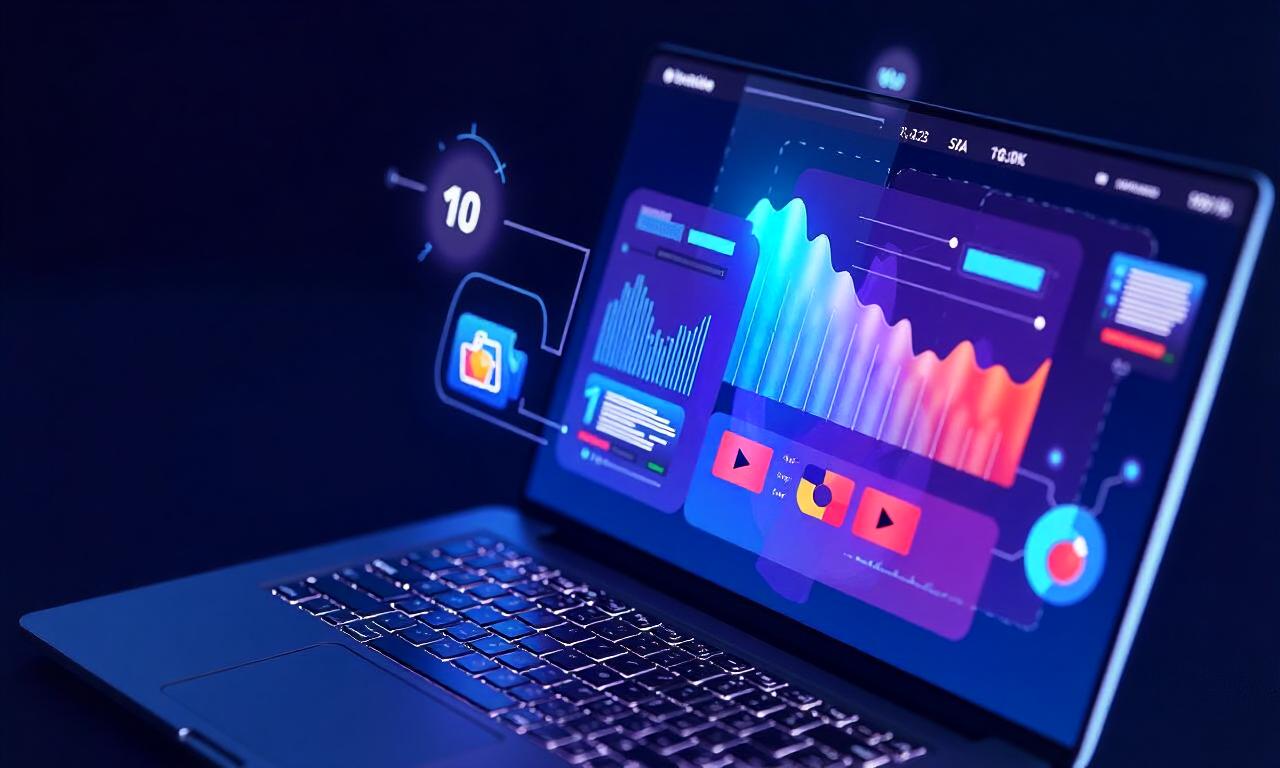
Unlock Digital Marketing Trends with Trend Analysis Insights
In today’s fast-paced digital landscape, staying ahead of the curve is not just an advantage—it’s a necessity. As businesses compete for consumer attention across multiple platforms, trend analysis for digital marketing has emerged as a critical tool to identify opportunities, anticipate shifts, and refine strategies. Whether you’re a small business owner or a marketing professional managing a global brand, understanding current and emerging trends can significantly impact your campaign performance and market positioning. This article explores how trend analysis for digital marketing can unlock new possibilities by providing actionable insights into consumer behavior, technological advancements, and industry dynamics. By leveraging data-driven approaches, marketers can make informed decisions that align with evolving audience expectations and market demands. The Importance of Trend Analysis in Digital Marketing Trend analysis for digital marketing is the process of examining patterns and shifts in data to predict future behaviors and outcomes. This practice allows businesses to move beyond reactive strategies and adopt proactive measures that keep them competitive. In an environment where consumer preferences and technologies evolve rapidly, trend analysis for digital marketing helps brands stay relevant by identifying what’s working, what’s not, and what’s on the horizon. One of the primary benefits of trend analysis is its ability to uncover hidden opportunities. For instance, by analyzing search trends, social media engagement, and website traffic, marketers can pinpoint which content resonates most with their audience. This insight enables them to allocate resources more effectively and focus on high-impact channels. Additionally, trend analysis for digital marketing provides a clear picture of market saturation. If a particular trend is already overhyped, brands can adjust their approach to avoid wasted efforts. Conversely, if a trend is emerging but underexplored, it might signal a gap in the market that’s ripe for innovation. Another key advantage is the ability to measure the effectiveness of current strategies. Marketers often invest in campaigns based on assumptions, but trend analysis for digital marketing offers a way to validate these decisions. By tracking performance metrics over time, brands can determine which tactics yield the best results and which ones need refinement. This continuous feedback loop ensures that marketing efforts remain aligned with real-time data rather than outdated models. Identifying Consumer Behavior Patterns Understanding consumer behavior is the foundation of any successful digital marketing strategy. Trend analysis for digital marketing helps uncover patterns such as preferred platforms, content formats, and purchasing habits. For example, if data shows a growing interest in video content, brands can prioritize investing in YouTube, TikTok, or Instagram Reels. Conversely, if a decline in website traffic is observed, trend analysis can reveal whether it’s due to changes in search algorithms, competitor activity, or shifting user preferences. Consumer behavior trends are often influenced by broader societal changes. During the pandemic, for instance, the rise of remote work and online shopping led to a surge in e-commerce engagement. Trend analysis for digital marketing allowed brands to adapt quickly, focusing on seamless digital experiences and omnichannel strategies. By analyzing these patterns, marketers can tailor their messaging to resonate with specific audience segments and create personalized campaigns that drive higher conversion rates. Moreover, trend analysis for digital marketing can highlight the importance of emotional engagement. Studies show that consumers are more likely to interact with brands that align with their values or address their pain points. By tracking sentiment analysis and social media conversations, marketers can gauge how their brand is perceived and adjust their strategies accordingly. This approach not only improves customer satisfaction but also strengthens brand loyalty in the long term. Emerging Trends That Are Reshaping the Industry The digital marketing landscape is constantly evolving, driven by advancements in technology, changes in consumer habits, and new platforms. Staying ahead requires a deep understanding of these trends and how they can be applied to existing strategies. Trend analysis for digital marketing plays a vital role in identifying these shifts before they become mainstream. One of the most significant trends is the rise of artificial intelligence (AI) in marketing automation. AI-powered tools can analyze vast amounts of data to predict customer behavior, personalize content, and optimize ad targeting. For example, chatbots and virtual assistants are now widely used to improve customer service and engagement. By trend analysis for digital marketing, brands can determine the optimal time to invest in AI-driven solutions, ensuring they remain competitive in an increasingly automated market. Another trend gaining traction is the growing importance of video marketing. With platforms like YouTube, TikTok, and Instagram prioritizing video content, businesses that fail to adapt risk losing visibility. Trend analysis for digital marketing helps marketers assess the effectiveness of different video formats, such as short-form versus long-form content, and identify which ones drive the most engagement. This data-driven approach ensures that video campaigns are not only creative but also measurable and scalable. The integration of trend analysis for digital marketing also extends to the use of immersive technologies like augmented reality (AR) and virtual reality (VR). These tools are transforming how brands interact with customers, offering interactive experiences that enhance product visualization and customer engagement. For instance, AR-powered try-ons in retail or VR-based virtual events are becoming popular as consumers seek more dynamic and engaging content. By tracking the adoption rate of these technologies, marketers can decide whether to incorporate them into their strategy or wait for broader acceptance. The Impact of Social Media and Influencer Marketing Social media platforms continue to dominate digital interactions, making trend analysis for digital marketing essential for understanding user-generated content and community dynamics. Trends like micro-influencer collaborations, short-form video content, and interactive features such as polls and live streams are reshaping how brands engage with their audience. For example, the shift from traditional influencer partnerships to micro-influencers with smaller, highly engaged audiences has created new opportunities for brands. Trend analysis for digital marketing can reveal which niches are experiencing growth, allowing marketers to target the right influencers and maximize ROI. Additionally, the rise of social commerce—where users can purchase products directly through platforms like Instagram or Facebook—has made