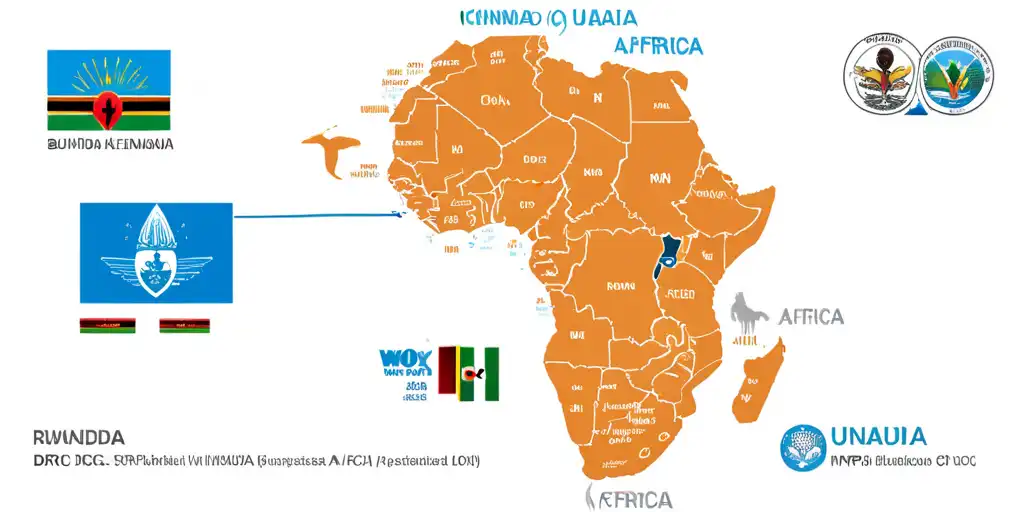
Rising Concerns: Deadlier Mpox Strain Detected in Four African Nations The recent confirmation of a more lethal strain of mpox in four African countries has raised alarm among global health authorities. Known formerly as monkeypox, mpox cases in the Democratic Republic of Congo (DRC) have surged, reaching over 14,000 reported instances and resulting in 511 fatalities. The World Health Organization (WHO) has noted that this outbreak has now extended to four neighboring countries—Burundi, Kenya, Rwanda, and Uganda—that previously reported no cases. The Surge in Mpox Cases Spread and Severity in the DRC Mpox is a viral disease that can be transmitted between humans and from infected animals. According to WHO, the virus can spread through close contact, such as touching, kissing, or sexual activity, and through contaminated materials like bedding, clothing, and needles. Symptoms include fever, a painful rash, headaches, muscle and back pain, low energy, and swollen lymph nodes. The Democratic Republic of Congo has seen a staggering increase in mpox cases, with over 22,000 suspected cases reported since January 2023. This figure is already equal to the total number reported for the entire previous year. WHO Director-General Dr. Tedros Adhanom Ghebreyesus announced at a recent press conference that the number of deaths has exceeded 1,200. Geographical Spread This alarming rise in cases has not been confined to the DRC. Neighboring countries—Burundi, Kenya, Rwanda, and Uganda—are now grappling with their first reported cases. These developments have prompted the WHO to consider convening an emergency committee to determine whether this outbreak constitutes a public health emergency of international concern. Understanding the Mpox Virus Genetic Clades: Clade I and Clade II Mpox is distinguished by two genetic clades: Clade I and Clade II. A clade represents a broad grouping of viruses that have evolved over decades and exhibit distinct genetic and clinical characteristics. Clade I: This clade, particularly Clade Ib, has been circulating in the DRC for years and is responsible for the current severe outbreak. Despite its higher fatality rate, there is no evidence to suggest that Clade Ib is more transmissible. Clade II: This clade was responsible for the global outbreak that began in 2022. Unlike Clade I, it has shown a different pattern of spread and impact. Symptoms and Transmission Mpox spreads through direct contact with an infected person or animal, as well as through contaminated materials. Symptoms can range from fever and painful rashes to headaches and muscle pains. Enlarged lymph nodes and low energy are also common indicators. Global and Regional Responses WHO’s Emergency Measures In response to the escalating situation, the WHO has begun the Emergency Use Listing process for mpox vaccines, aiming to expedite access for lower-income countries that have not yet granted their own approval. Nigeria and the DRC have already approved these vaccines for emergency use. Dr. Rosamund Lewis, the WHO technical lead for the global mpox response, emphasized that stopping the transmission will require a comprehensive and international effort. The WHO has developed a regional response plan requiring $15 million and has released $1 million from the WHO Contingency Fund for Emergencies to support the effort. CDC’s Health Advisory The US Centers for Disease Control and Prevention (CDC) has also issued a health advisory, addressing the risk of additional spread. The advisory recommends that physicians maintain a heightened index of suspicion for mpox in individuals who have recently traveled from the DRC or its neighboring countries. The CDC continues to recommend mpox vaccination for those exposed to or at high risk of contracting the virus. Preventive Measures and Recommendations Travel Advisories and Precautions The WHO has not recommended travel restrictions for the affected countries at this time. However, individuals who have traveled to the DRC or neighboring countries in the past 21 days and who develop an unexplained rash are advised to seek medical care immediately and avoid contact with others. Public Health Recommendations Maintain heightened vigilance: Physicians should be particularly cautious with patients presenting symptoms who have recently traveled to affected regions. Vaccination: Those exposed to or at high risk of mpox should get vaccinated. Hygiene and sanitation: Regular hand washing and avoiding contact with infected individuals and contaminated materials are crucial. FAQs About Mpox What is mpox? Mpox is a viral disease that can spread between humans and from infected animals. Symptoms include fever, painful rash, headaches, muscle and back pain, low energy, and swollen lymph nodes. How does mpox spread? The virus spreads through close contact, such as touching, kissing, or sexual activity, and through contaminated materials like bedding, clothing, and needles. What are the symptoms of mpox? Symptoms include fever, a painful rash, headaches, muscle and back pain, low energy, and swollen lymph nodes. What is the difference between Clade I and Clade II mpox? Clade I, particularly Clade Ib, is more severe and has been circulating in the DRC for years. Clade II was responsible for the global outbreak that began in 2022. What measures are being taken to control the outbreak? The WHO and CDC have issued health advisories and are working on emergency vaccine approvals. A comprehensive regional response plan has been developed, requiring significant funding and international cooperation. Conclusion The resurgence of a deadlier strain of mpox in Africa has prompted global health authorities to act swiftly. With the DRC at the epicenter, and the virus spreading to neighboring countries, the situation demands a robust and coordinated international response. Through expedited vaccine approvals, heightened vigilance, and comprehensive public health strategies, the spread of this lethal virus can be contained.